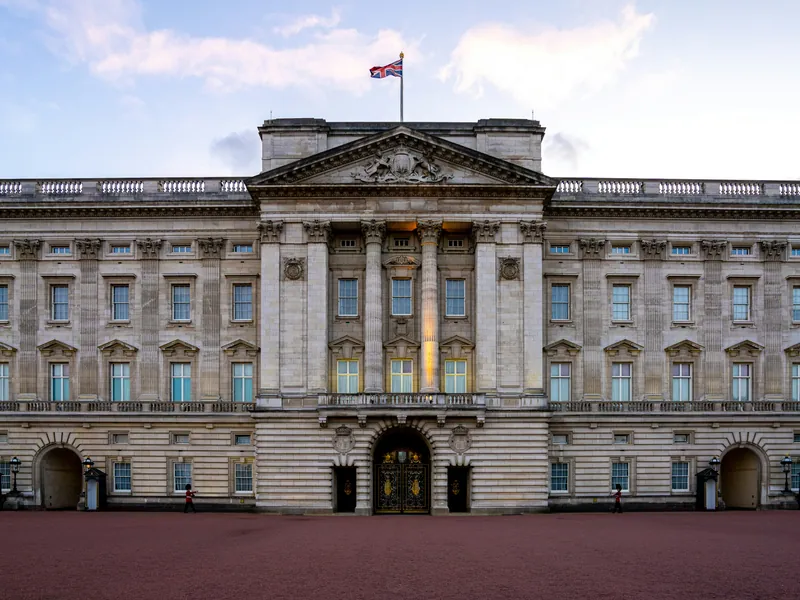
Buckingham Palace
The Sovereign's official London residence, whose 775 rooms welcome guests from around the world every year.
Menu
How To
Design Advice
Customer Service
My account
By Appointment to the British Royal Household
How a family manufactory from south London became - with two royal seals to show for it - the paint of the residences of the British Crown.
A distinction, not a decoration
The oldest mark of quality in the world. The Royal Warrant of Appointment is the recognition the British Sovereign grants to houses that regularly supply the Royal Household. Its origins reach back to the Middle Ages, when the Crown already issued royal charters to its most trusted craftsmen.
The warrant is granted by name, for a limited term, and is never owned for good: it is earned delivery after delivery. Its holder gains a rare privilege - the right to display the royal coat of arms and the words « By Appointment » on their products. Fewer than eight hundred houses in the world hold one today; Mylands is the only British manufacturer of decorative paints and polishes among them.
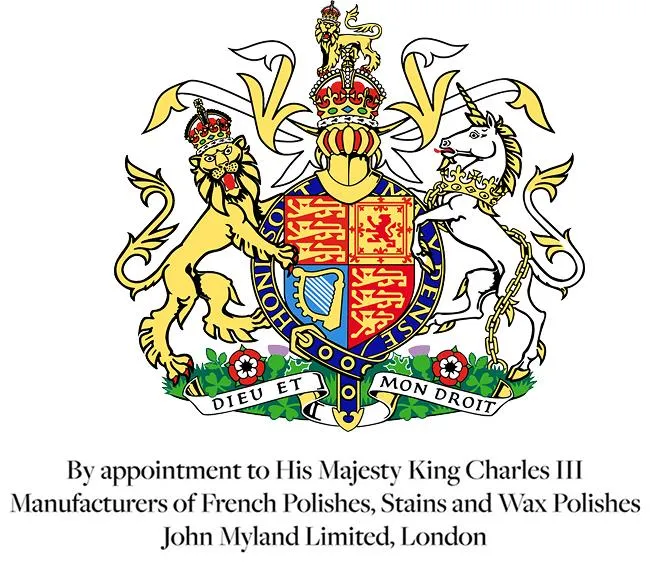
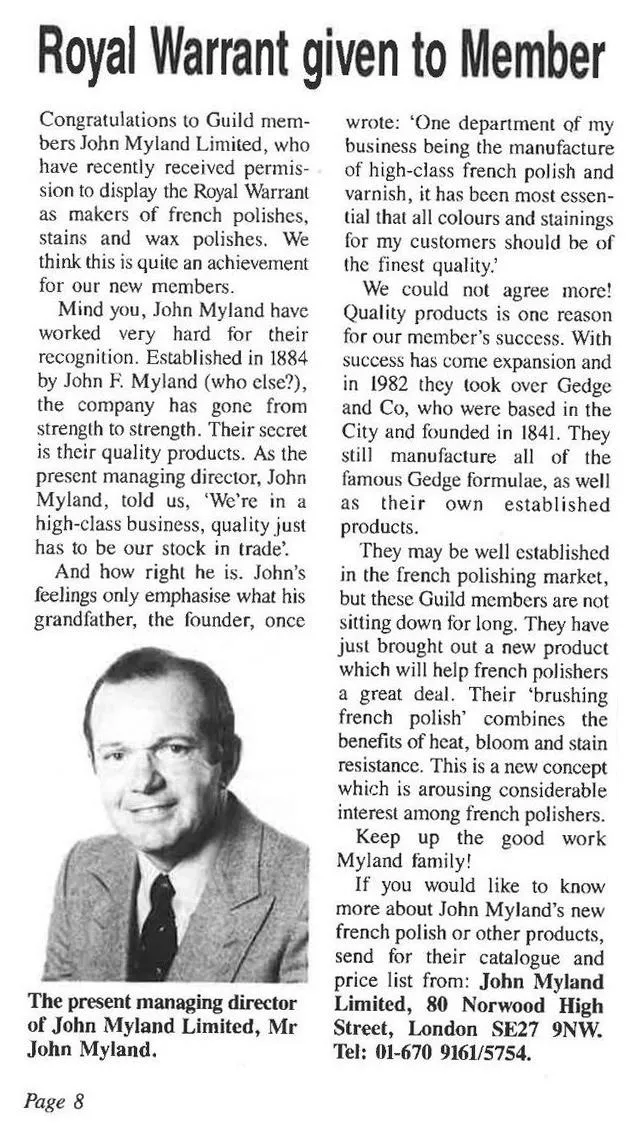
1985 · Her Majesty Queen Elizabeth II
A century of work, then the accolade. Before it is an honour, the Royal Warrant is a test of constancy: the Royal Household only distinguishes suppliers who have served it faithfully for years - the rule today asks for at least five years of regular supply - with unwavering quality and impeccable provenance of raw materials.
That is the road Mylands travelled through the twentieth century, its polishes, stains and varnishes gradually earning their place in the Crown's workshops. In 1985, a century after the house was founded, Her Majesty Queen Elizabeth II granted Mylands the Royal Warrant in recognition of the excellence of its products. The warrant was issued by name to the Myland family - the kind of distinction a family house receives like a title of craft nobility.
2025 · His Majesty King Charles III
A warrant is not inherited - it is renewed. Granted for a maximum of five years, the Royal Warrant is reviewed before each expiry, and it lapses with the reign that created it: on the passing of Elizabeth II, the warrants granted by the Queen became void, and every house had to prove itself anew to the new Sovereign.
The scrutiny is more demanding today than ever: beyond quality and the traceability of every ingredient, each applicant must demonstrate a credible plan towards carbon neutrality. In January 2025, forty years after the first warrant, His Majesty King Charles III granted Mylands his Royal Warrant: two reigns, one same trust - and confirmation that the house's way of working, unchanged since 1884, meets the demands of its time.
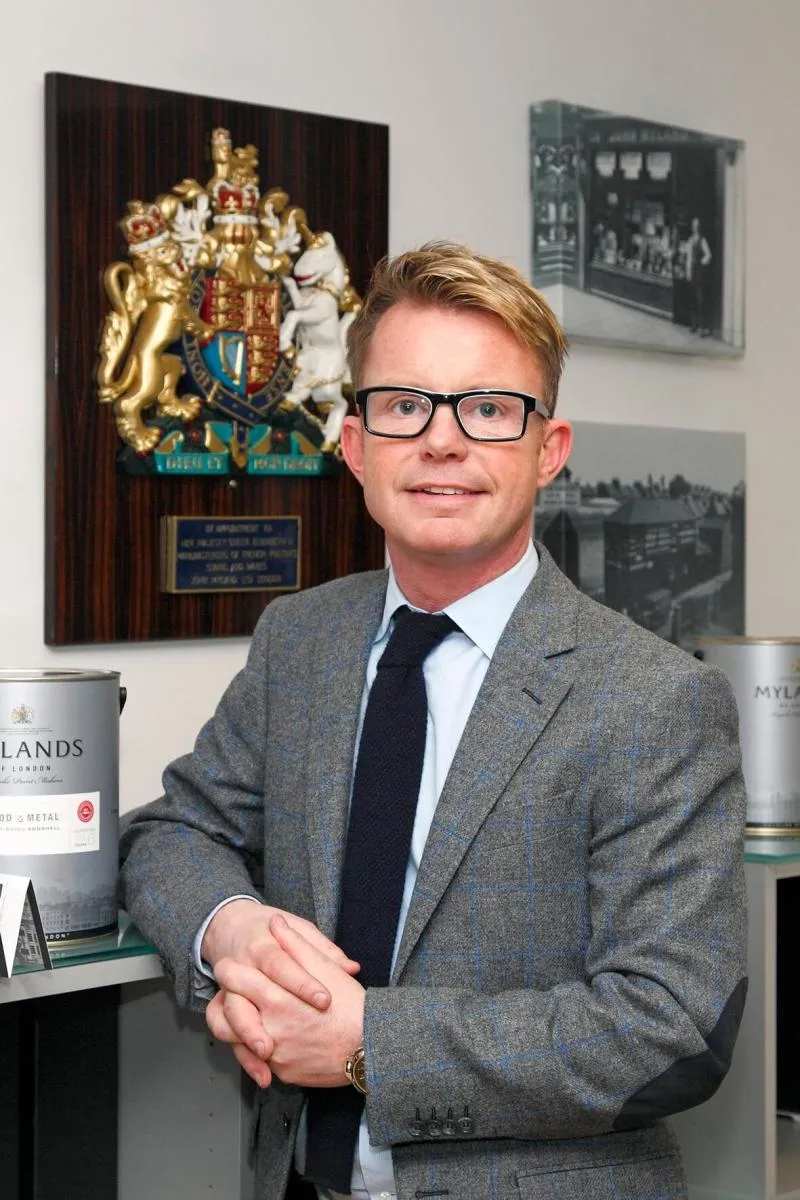
Forty years in the service of the Crown
For four decades, Mylands paints and finishes have had the privilege of enhancing the interiors and exteriors of the most prestigious British royal residences - from state rooms to private apartments, where the setting forgives no compromise.
The Sovereign's official London residence, whose 775 rooms welcome guests from around the world every year.
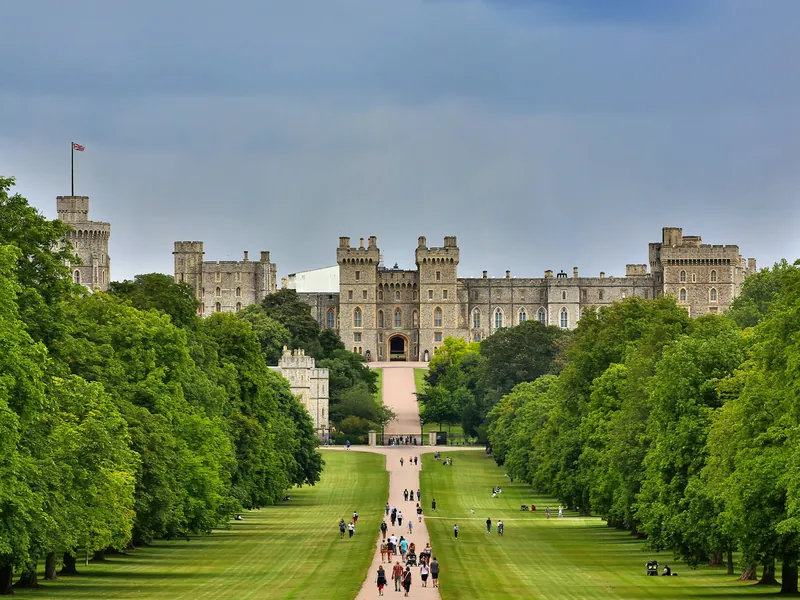
The oldest inhabited castle in the world: more than 900 years of royal history, and woodwork that demands the noblest finishes.
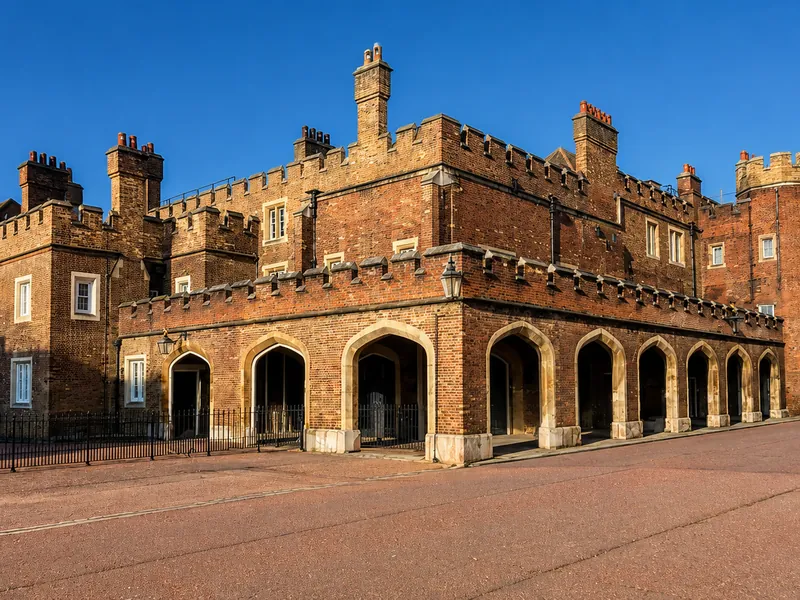
The official seat of the Court - ambassadors are still accredited to the Court of St James's.
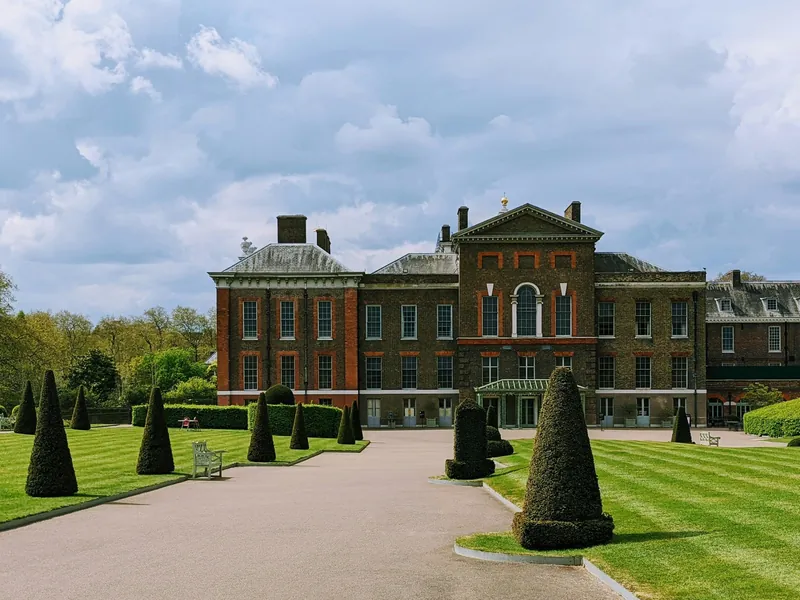
Childhood home of Queen Victoria and the London residence of the Prince and Princess of Wales.
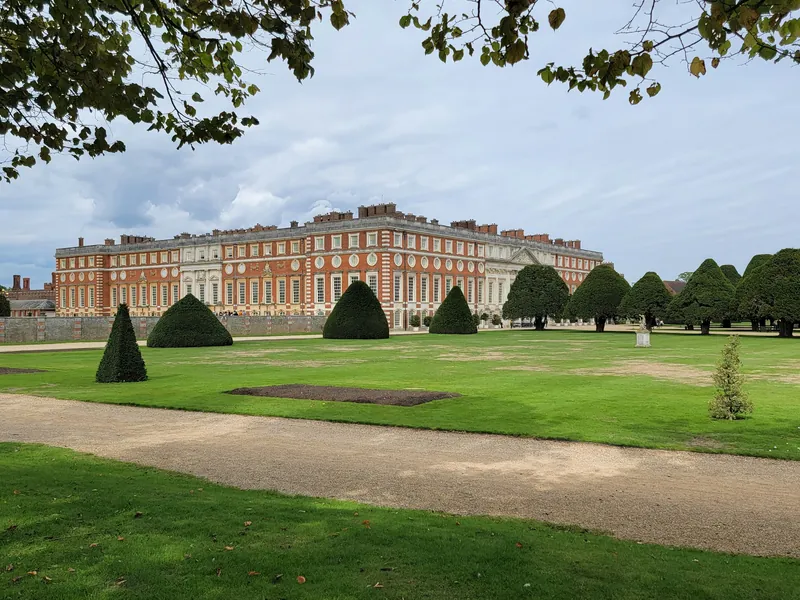
Henry VIII's Tudor palace on the Thames - a masterpiece of brick and gilding, patiently restored.
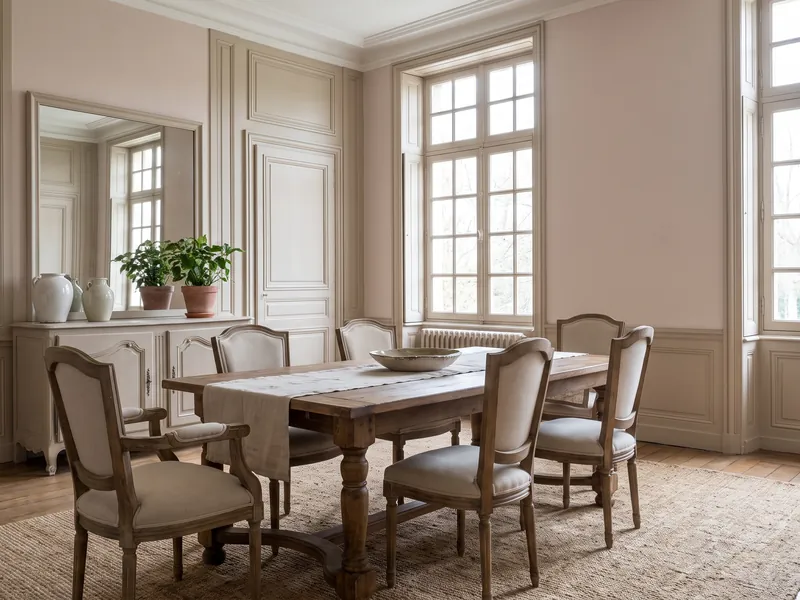
Beyond the palaces, private castles, manors and historic homes entrust their walls to the colours of the house.
The reasons behind the choice
When every room is a state setting and every wall a piece of heritage, colour is not chosen lightly. Three reasons have brought the Crown's decorators back to the same house for forty years.
01
Richly dosed natural pigments, ground in our own workshops, give Mylands shades a depth that the shifting light of great rooms reveals hour after hour - where a flat colour dies, ours lives.
02
Natural earths and minerals, crushed Carrara marble for resilience and light, water-based and breathable formulas: paints that are kind to the people who live with them and to the centuries-old masonry they dress.
03
Every tin is born in our West Norwood manufactory, as it has been since 1884: pigments weighed by hand, every shade checked one by one, recipes kept by the sixth generation of the Myland family. That constancy is what the Crown distinguishes.
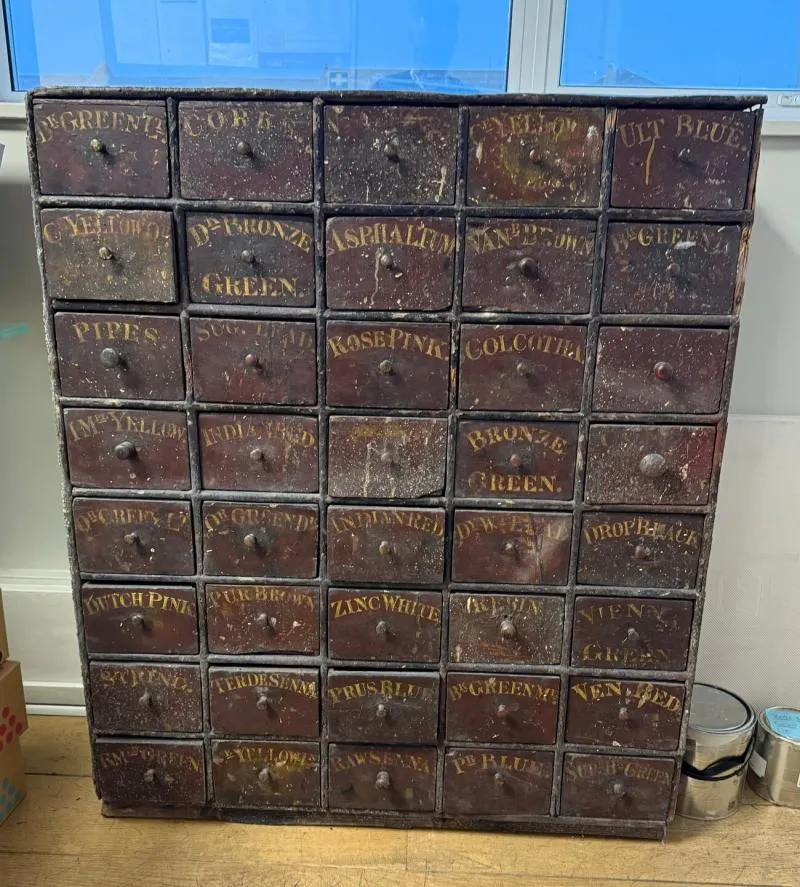
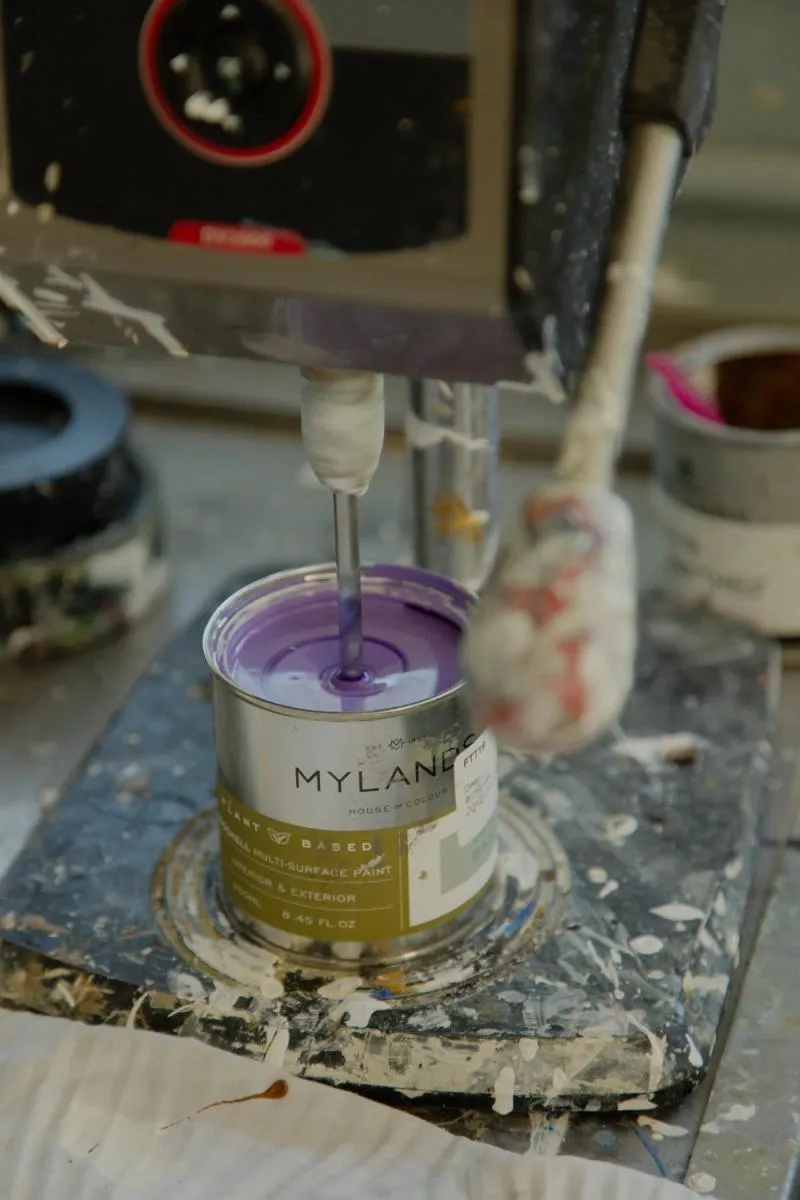
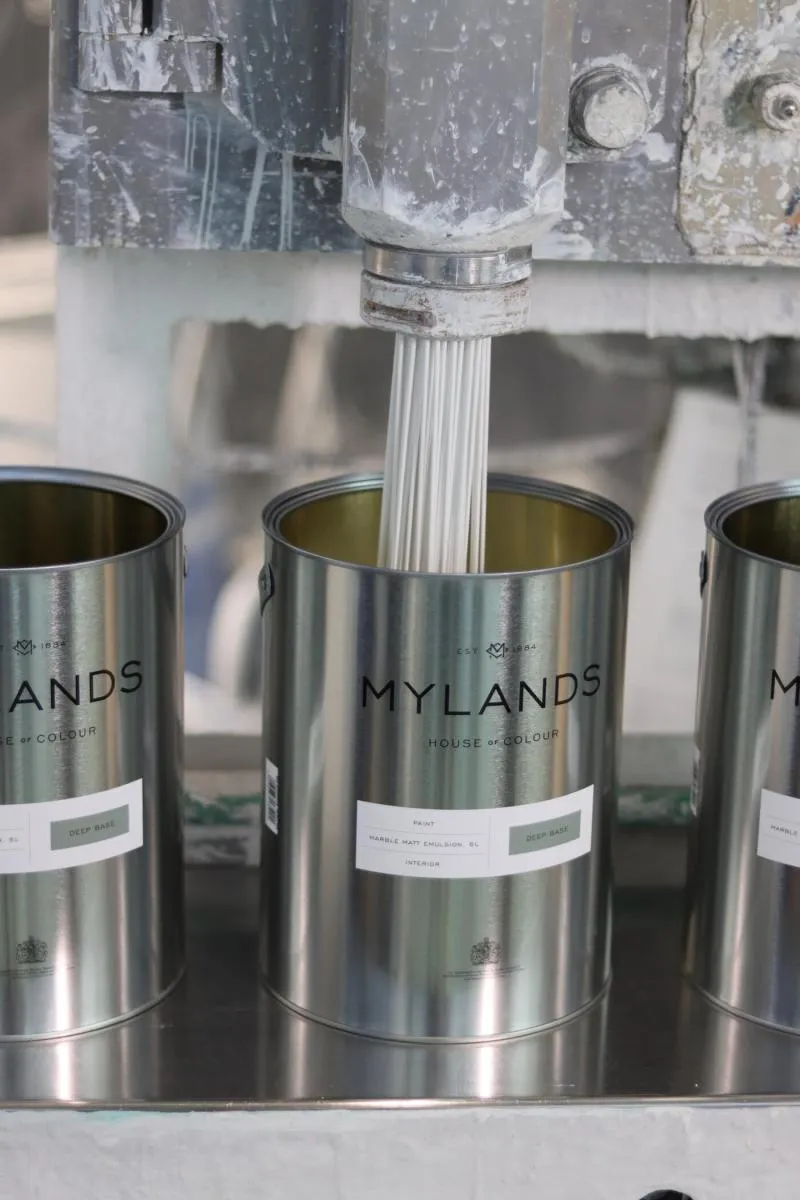
"What we paint for a king, we must be able to paint for everyone: the same paint, from the same workshop, to the same standard."
Thanks for signing up to our newsletter!
Sign in to save items to your wishlist. Sign in to save your basket, so you can continue shopping later.
Don't have an account? Create one
Share this link and friends can buy items from your list. Anything bought disappears from it automatically. Anyone with this link can see your selection.
Moving in, redecorating, or dropping hints? A free account turns this selection into a gift list — add or remove colours whenever you like, and we'll email you when someone buys something from your shared list.
Free · Delivered to your door
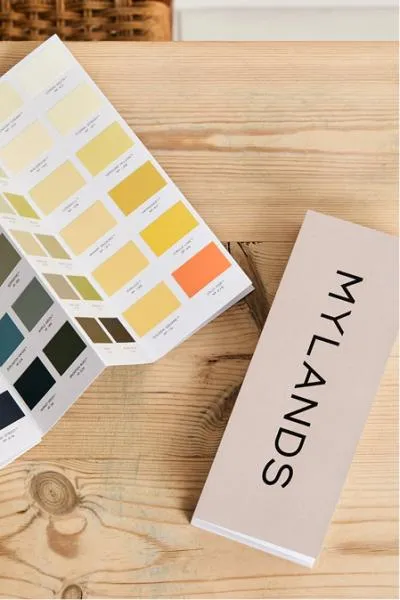
Get a free colour card posted to you, showing our complete Colours of London range, with swatches made from the real paint for a true representation of our award-winning colours.