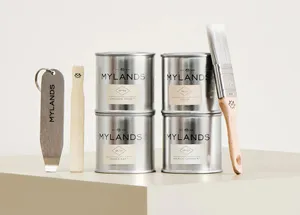
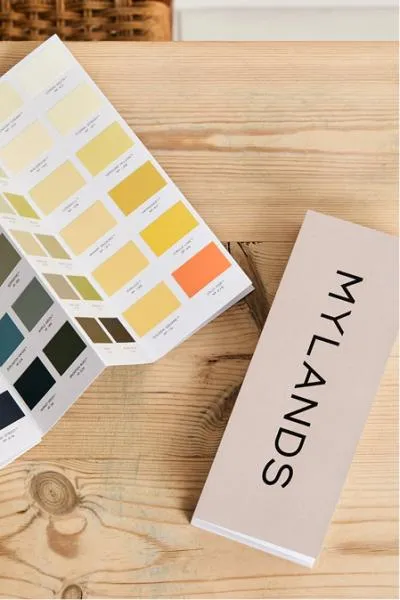
Six families of finish, what each does to the wood and where it belongs: the page to start from.
Read
Menu
How To
Design Advice
Customer Service
My account
Help & advice Help with woodcare
Five families of guides, written by the Mylands France woodcare specialists: understanding finishes — oil, hard wax oil, wax, varnish, lacquer, shellac, stain, and which to choose for which wood —, the how-to guides, from the floor to the worktop and from the waxed chest to French polish, repair and upkeep of wood already finished, wood outdoors and advice wood by wood. Every page names real Mylands products, with the true grits, coats and drying times.
38 guides
01 · 7 guides
Before opening a tin: what an oil, a hard wax oil, a wax, a varnish, a lacquer or a shellac does to wood, what each demands and what each gives back — and how to read the wood in front of you. Then preparation, which decides everything.
Six families of finish, what each does to the wood and where it belongs: the page to start from.
Read
Oak, ash, beech, pine, walnut, teak: what each wood asks for, what it refuses, and the sanding that prepares the finish.
Read
The oil that penetrates and the wax that hardens: what Hard Wax Oil does, its seven shades, the method and the numbers.
Read
The finishes that form a film: Mylac and Mylac Extra on floors, Quick Dry Varnish in kitchens and bathrooms, Melamine Lacquer on the lathe.
Read
A stain colours, it does not protect: the four ranges compared, six looks, and the finish to put over it.
Read
Matt hides, gloss reveals, satin arbitrates: sheen on wood, room by room, and how to correct it.
Read
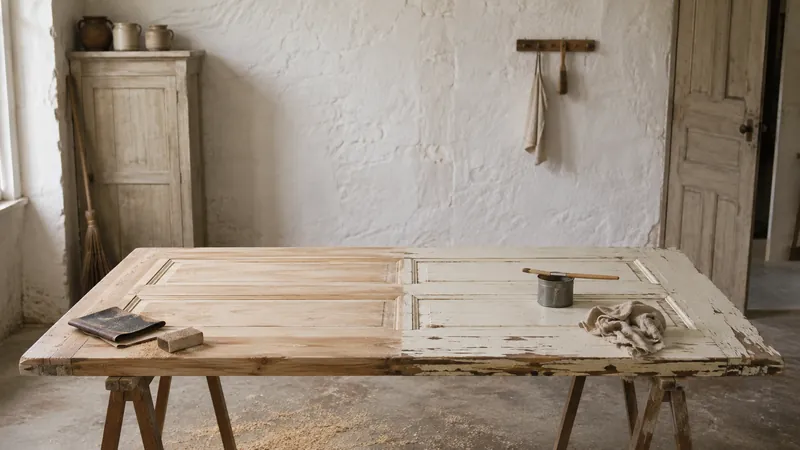
How to prepare your woodwork before painting, for a flawless, long-lasting finish.
Read
02 · 15 guides
The right move, surface by surface. Oiling or varnishing a floor, finishing a staircase, oiling a worktop or a table, protecting wood in a kitchen or bathroom, staining, waxing and liming furniture, French polishing, finishing beams or a turned piece — with the Mylands product that fits and the real timings.
Two thin coats of Hard Wax Oil, 24 hours between them, 7 to 10 days to cure: the oiled floor, move by move.
Read
Two to three coats of Mylac 3 to 4 hours apart, in a cool dry room: the varnished floor, move by move.
Read
The hardest-worn surface in the house: lacquer with Mylac or oil with Hard Wax Oil, every other tread, and the stair stays in use.
Read
Three coats of oil 12 to 18 hours apart, the excess off at 20 minutes, a refresh every 3 to 6 months: the oiled worktop.
Read
Oil, hard wax oil, varnish or French polish: a table's protection is chosen for the life it will lead. The oil method, move by move.
Read
Water, steam, grease: surface by surface, the oil that penetrates or the varnish that seals, and the upkeep that goes with each.
Read
A stain colours, it does not protect: the sanding that decides everything, the cloth, the 10 to 15 minutes' drying and the top coat that seals.
Read
Two hours, a cloth and a 400 g tin: the beeswax and carnauba polish that feeds a piece of furniture and gives it its patina.
Read
The mirror gloss that modern lacquers cannot copy: the rubber, the three stages, the drop of linseed oil, and the polish that suits each wood.
Read
White in the pores of oak, wiped off the flats: four hours, a brass brush, Wax Liming and Wax Clear for a piece lightened without paint.
Read
The wood you look at without wearing it out: wax, hard wax oil or varnish for beams and panelling, and how to lighten them.
Read
Sanding sealer, friction polish and carnauba with the piece turning; melamine lacquer for hardness, food-safe oil for bowls that get used.
Read
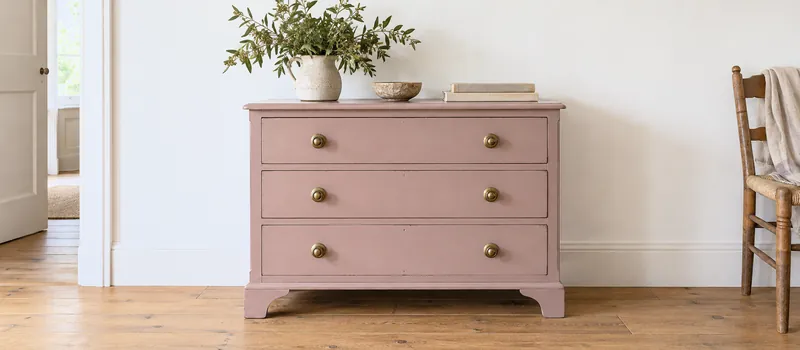
Paint, wax, oil or stain? The method for giving a chest of drawers, a sideboard or a chair a second life.
Read
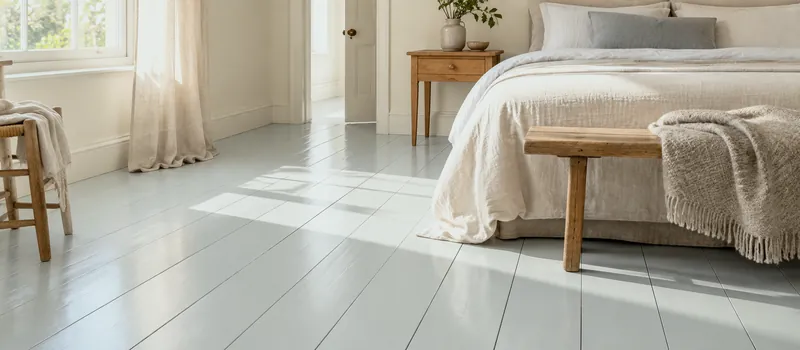
The sixth wall: tired floorboards become the room's best gesture, in one weekend and three coats.
Read

The quickest project that changes a room the most: six colour ideas for doors, skirting and windows.
Read
03 · 5 guides
Finished wood lives: a floor gets washed, a table gets scratched, a varnish dulls, a wax clogs with grime. How to clean without damage, revive without stripping, repair without a visible patch — and handle oils and solvents safely.
The weekly wash, the coat that revives, the scratch that repairs: two finishes, two logics, one cleaner.
Read
More often than not the wood is not worn: it is dirty. Clean, feed, buff — and know when stripping becomes necessary.
Read
Six common kinds of damage and the repair that suits each finish: oil, wax, shellac, varnish. Usually without stripping.
Read
Recognise the finish in place, then remove it with the right move: wax remover, alcohol or sanding. No chemical stripper.
Read
The oily rag that ignites on its own, the room to ventilate, the products safe for a chopping board and a toy, the locked cupboard.
Read
04 · 7 guides
Teak garden furniture, benches, sheds, gates and barns: the oils that feed and protect wood left natural, the rhythm of maintenance coats, and when paint is the better answer.
Only three oils go outdoors: Danish Oil, Durax Teak Oil, Hard Wax Oil. Which goes where, how often, and when paint is the better choice.
Read
Giving greyed teak back its honey colour: Durax Teak Oil, the 20-minute rule, two to three coats, and a maintenance coat each spring.
Read
Two thin coats of Hard Wax Oil on a dry day, a tint to even up greyed timber, Danish Oil for an open look: wood outdoors without paint.
Read
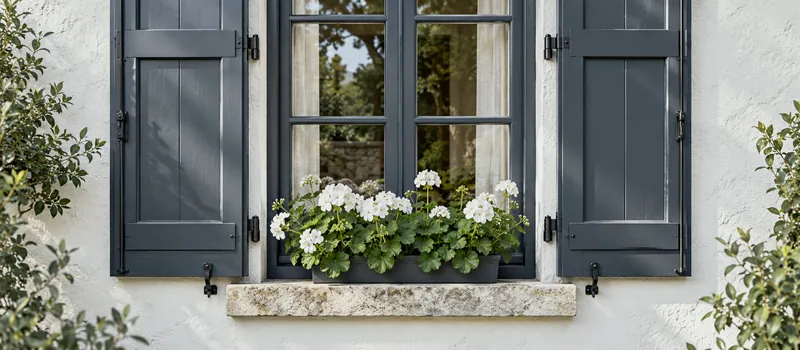
Probe, strip what is coming away, sand, prime, two coats — three facing south. Windows, shutters, gates, eaves: the method and the upkeep.
Read
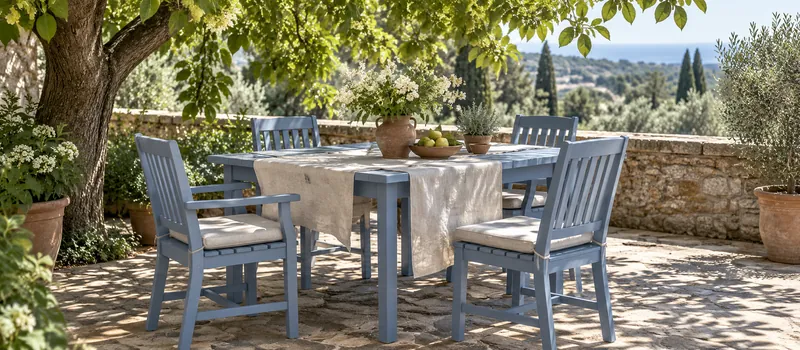
Sand, de-rust, prime, two coats of Eggshell or Satin: wood, iron, aluminium, and the tops where water stands. Six terrace colours.
Read
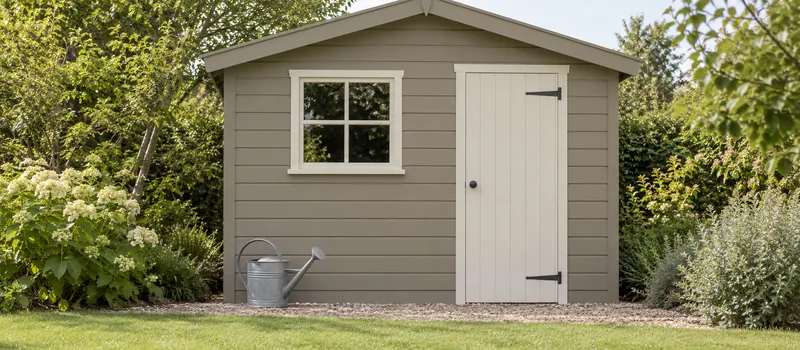
Dry wood, washing, sanding, primer, two coats — three on the exposed face. Six colours to make a shed vanish into the garden or stand out in it.
Read
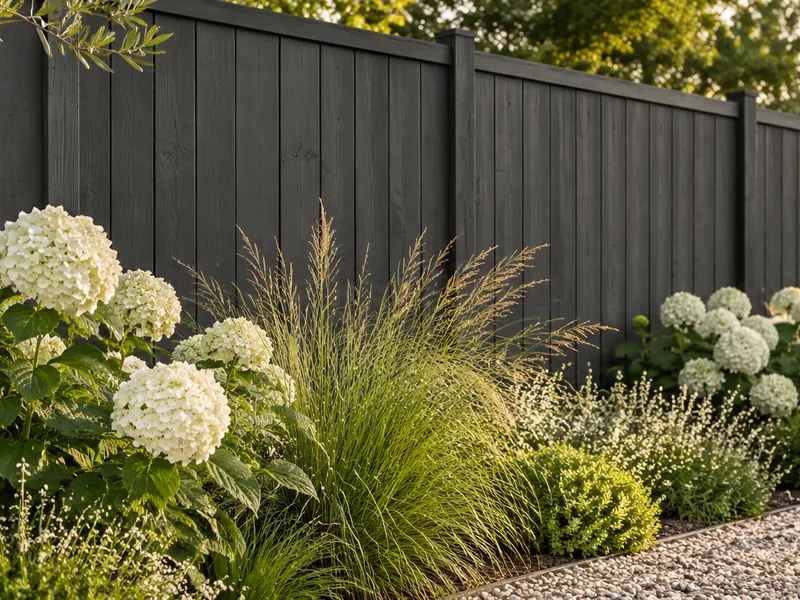
Dry wood, brushing, primer on the end grain, two coats by brush on both sides. Why a dark fence makes the garden bigger, and six colours.
Read
05 · 4 guides
Every species behaves its own way: oak and its tannins, pine that blotches, mahogany and walnut that a stain deepens, oily teak that has to be degreased. The finish that suits each one, and the one that doesn't.
Open pores, tannins, honey to grey: the finishes that love oak, and the two moves that turn it black.
Read
Soft, resinous, knotty and soon orange: the water stain that evens pine up, the wax that is its standard, and the oil that calms it.
Read
The dark cabinet woods: the shellac that gives them their glow, the stain that evens them up, the wax, the oil on a floor or a worktop.
Read
Oily, dense, sometimes grey: exotic hardwoods are degreased before anything, oiled rather than varnished, imitated with a stain.
Read
And also
Oils, hard wax oils, stains, varnishes, lacquers, shellacs, waxes, preparation: every product with its data sheet and method.
Read
Recognising the old finish, stripping, sanding grit by grit, filling the grain, minding the atmosphere: the complete preparation guide.
Read
When wood is painted rather than finished: the house's colour and paint guides, from furniture to façade.
Read
Frequently asked
Which wood finish to choose, which compares the six families on one page, then the guide for your surface: oiling a floor, oiling a worktop, waxing furniture. And before any product, preparation.
Yes: every chip links to the Mylands product page — Hard Wax Oil, Danish Oil, Mylac, Light Fast Stain, the waxes, the shellac polishes — with its sizes, technical data sheet and safety data sheet. The sanding grits, drying times and number of coats are those of the data sheets.
That is the other hub: Help with paint covers painted furniture, painted floors, interior woodwork, garden furniture and the shed in colour. The two meet on one point: preparing the wood, which never changes.
Of course. Write to us with a photograph of the wood, close up and from a distance, and how it will be used: we reply Monday to Friday, and the question may find its way into a future guide.
“A good finish is invisible: you see the wood, and it looks as if it had always been that way.”
Thanks for signing up to our newsletter!
Sign in to save items to your wishlist. Sign in to save your basket, so you can continue shopping later.
Don't have an account? Create one
Share this link and friends can buy items from your list. Anything bought disappears from it automatically. Anyone with this link can see your selection.
Moving in, redecorating, or dropping hints? A free account turns this selection into a gift list — add or remove colours whenever you like, and we'll email you when someone buys something from your shared list.
Free · Delivered to your door
Get a free colour card posted to you, showing our complete Colours of London range, with swatches made from the real paint for a true representation of our award-winning colours.