1930s paint colours

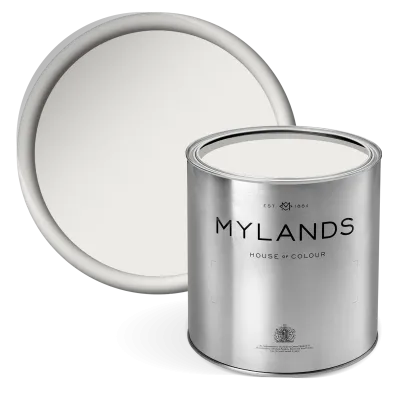
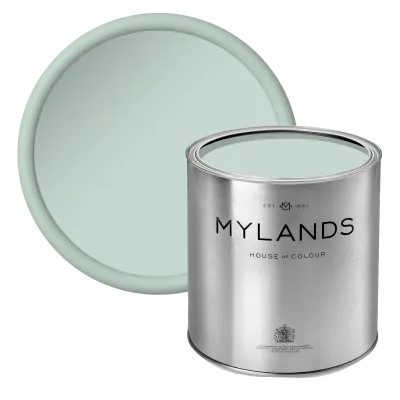
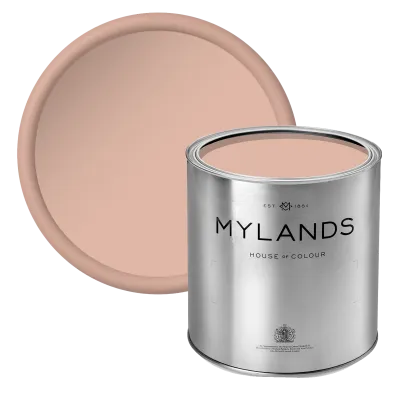
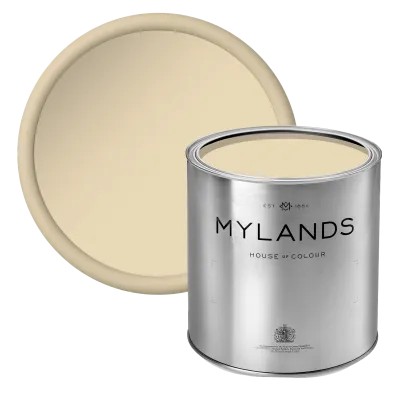
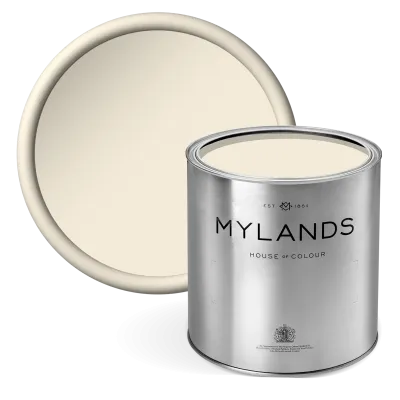
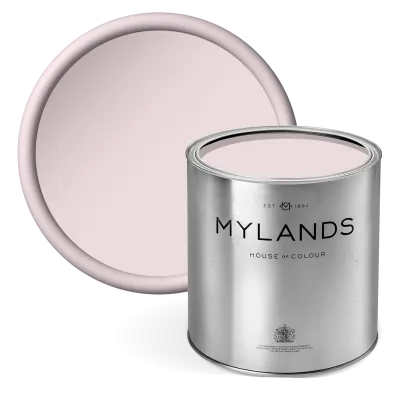
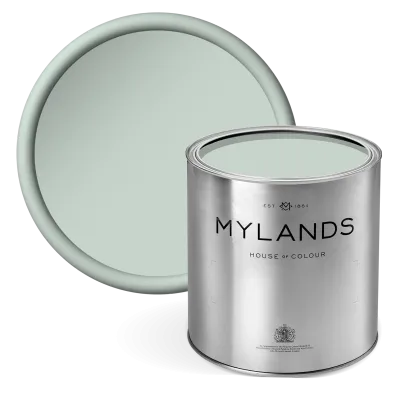
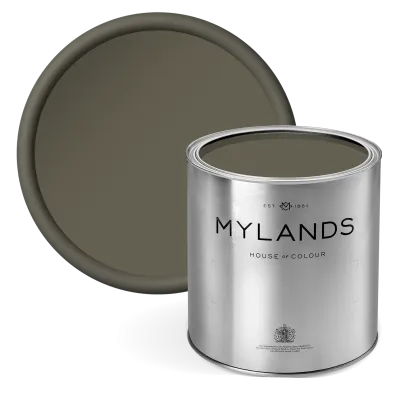
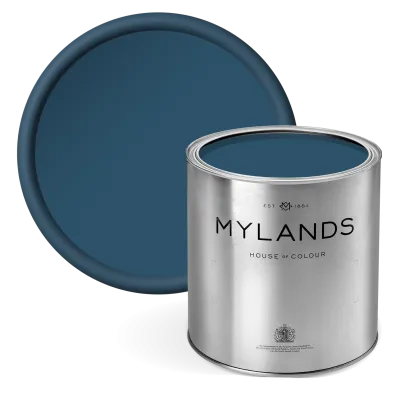
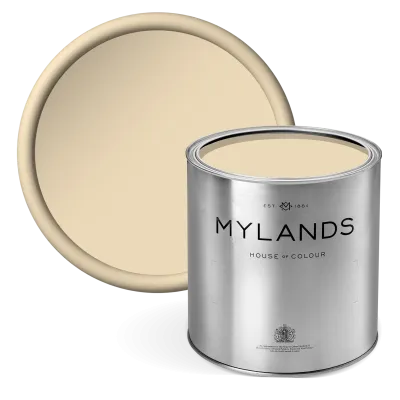
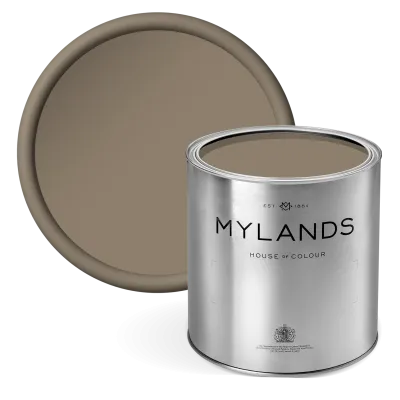
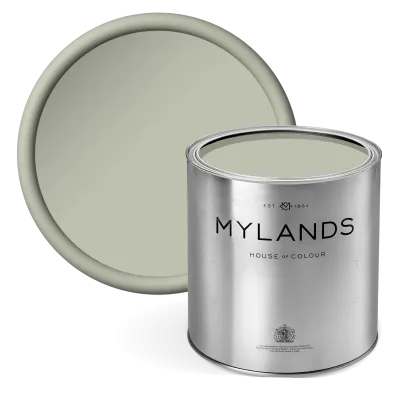
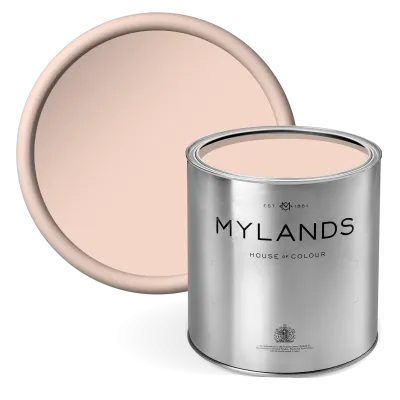
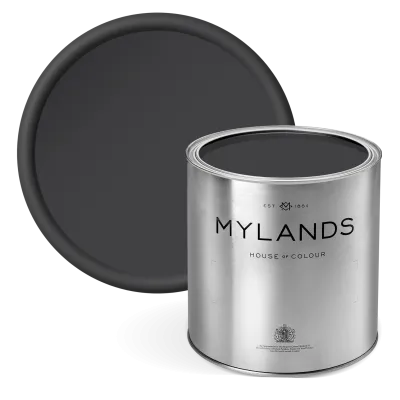
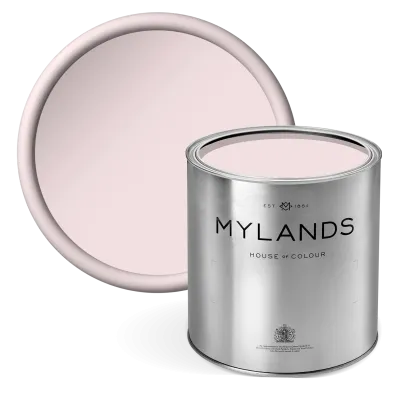
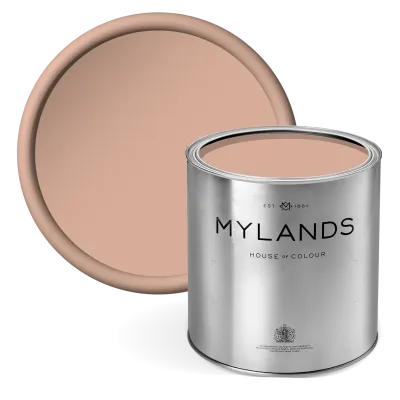
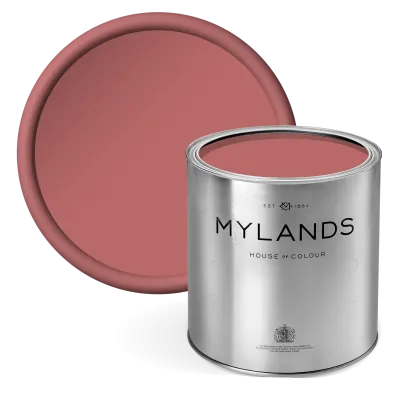
Between Art Deco and modernism, the 1930s went looking for light. Syrie Maugham made the all-white room fashionable, celebrated by Maugham White; the colour references of the day fixed the fashionable shades, from Palmerston Pink and Westmoreland, both recorded in Maerz and Paul's Dictionary of Color (1930), to the soft green of Beauvais and the muted red of Mortlake Red. Messel, named after stage designer Oliver Messel, brings the decade's dark, theatrical note.

Pair the chalky pastels, eau-de-nil greens and powder pinks with black accents and polished wood: a wall in Marble Matt Emulsion, then doors and stepped chimney breasts in Multi-Surface Gloss Paint for that lacquered shine the style is known for.

A little history · 1930 – 1939

The 1930s

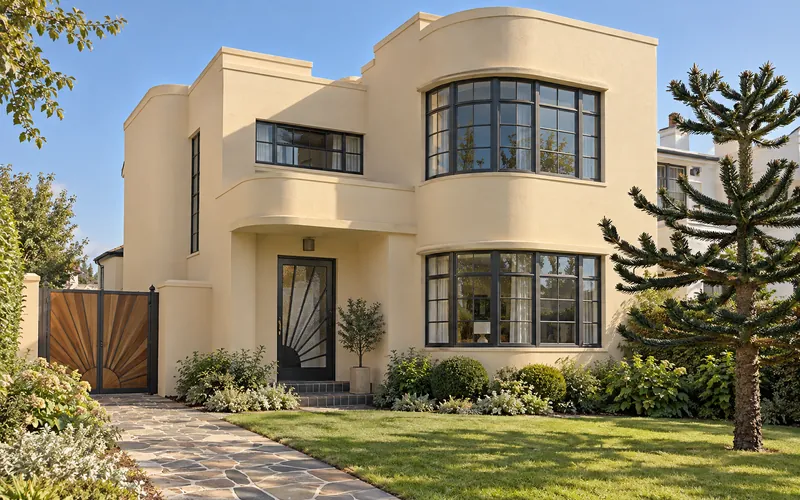
Between Art Deco and modernism: the suburban semi with its sunburst gate, the Odeon cinema and a palette of creams, eau-de-nil and powder pinks sharpened with lacquer black.

Cream Art Deco façade with curved steel windows and a sunburst front door
Cream, steel and sunburst: Walbrook and Sinner on a 1934 façade.

The society

The suburb and the sunburst

Despite the crash of 1929, 1930s Britain built almost four million homes: gabled semi-detached houses with bay windows along the new tube lines, 'Metroland'. A clerk's salary was now enough to become a homeowner.

Cinema, radio and magazines spread the new taste: the Art Deco of the 1925 Paris Exhibition, ocean liners, New York skyscrapers and, for a few pioneers, the white modernism of the Bauhaus.
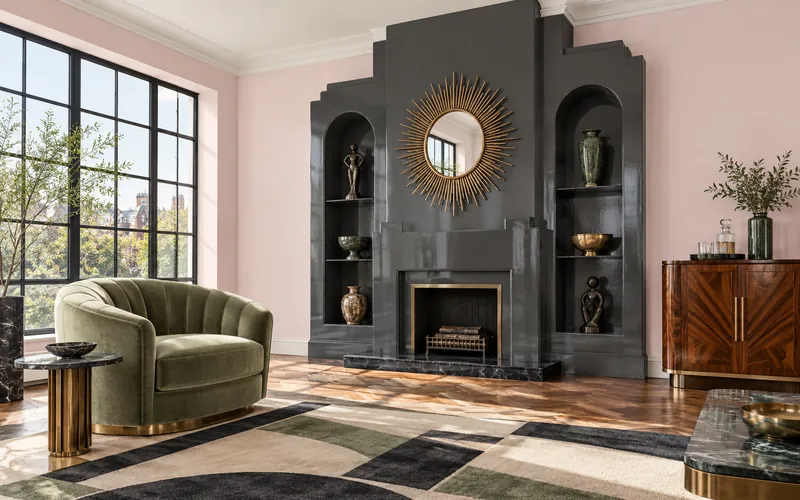
Powder-pink Art Deco sitting room with a black stepped fireplace and club armchair
Palmerston Pink, Sinner and Maugham White: the 1935 sitting room.

The interior

Stepped fireplaces and polished walnut

The stepped fireplace in beige tiles, the deeply curved club armchair, the walnut-veneered cocktail cabinet, the sunburst mirror: the 1930s living room was a cinema in miniature. Steel-framed windows, herringbone parquet and geometric rugs completed the set.

In 1927 the decorator Syrie Maugham unveiled an all-white drawing room in Chelsea, walls, rugs, satin and pickled wood included; white became chic. At the other extreme, Oliver Messel dressed stage and interiors in theatrical shadow.

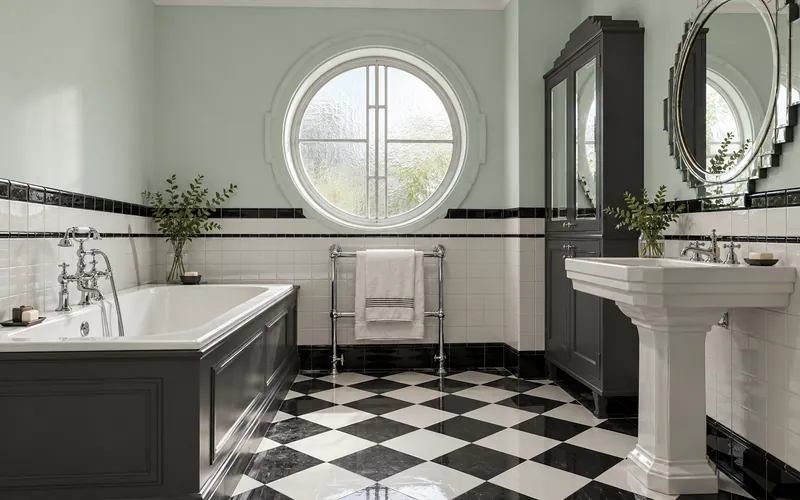
Eau-de-nil Art Deco bathroom with black and white tiles
Glass, Sinner and black-and-white tiles: the 1932 bathroom.

The colours

Colour cards set the fashion

The 1930s were the decade of the first standardised colour cards: British Standard 381 of 1930, Thomas Parsons' colour books, Maerz and Paul's Dictionary of Color. The fashionable shades were recorded, named and reproducible.

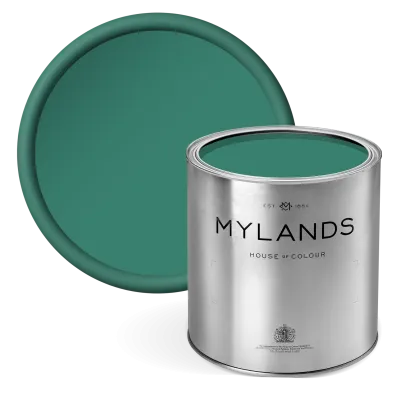
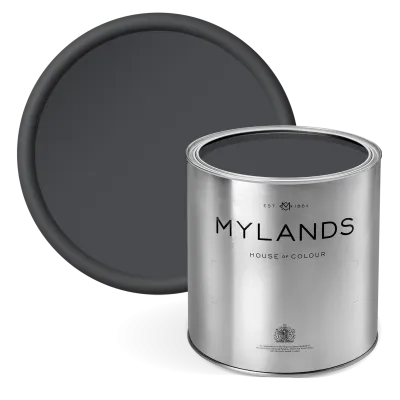
Our Palmerston Pink and Westmoreland come from them, Beauvais from the 1930 Book of Colours, Mortlake Red from Parsons' books. Around them, creams, eau-de-nil, peach and jade, and the lacquer black of our Sinner and Blackout.

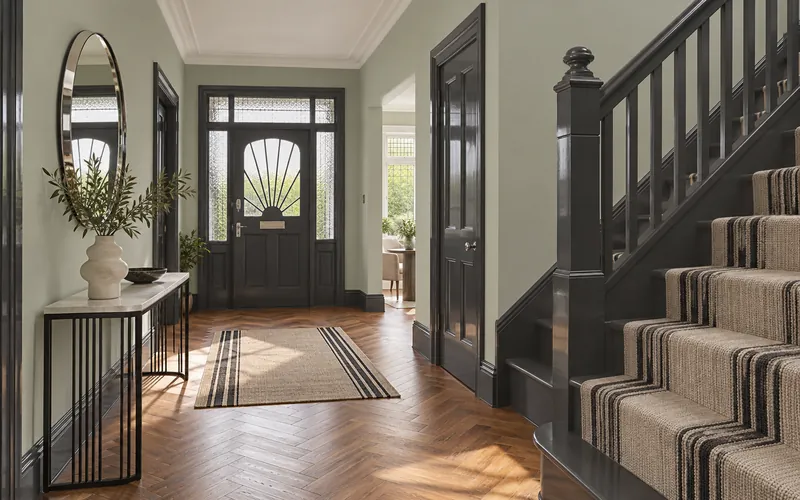
A 1930s hallway today, soft green walls and glossy black doors
Beauvais and Sinner: Art Deco in 2026.

The legacy

And today?

September 1939 ended the decade: blackout, rationing, austerity. Colour would not return until 1951. But Art Deco never really left the cinemas, the hotels or the curves of an armchair.

For a 1930s spirit without nostalgia: a wall in Beauvais or Palmerston Pink, joinery in Maugham White and a fireplace or door in Sinner, in Multi-Surface Gloss Paint for the lacquered shine. Add walnut and chrome, nothing more.

20 colours found

Showing 1 to 20 of 20 results

Show
per page
Sign up to our newsletter

Sign up to our newsletter

Thanks for signing up to our newsletter!