Regency paint colours

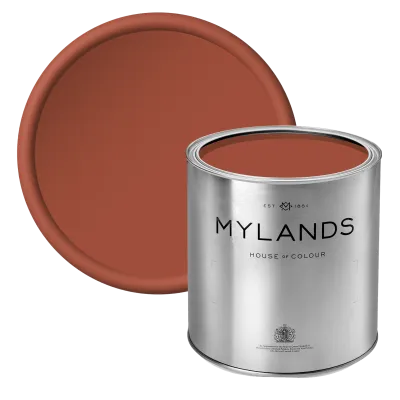
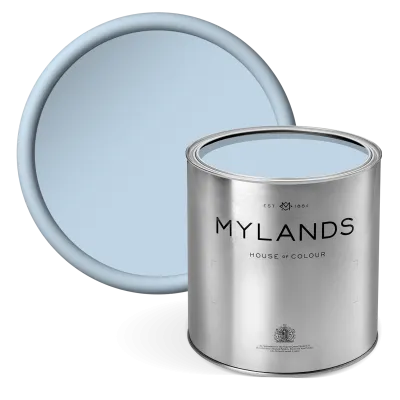
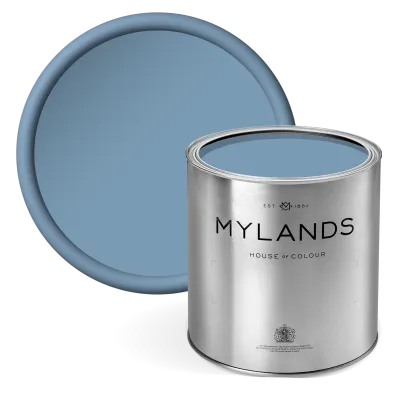
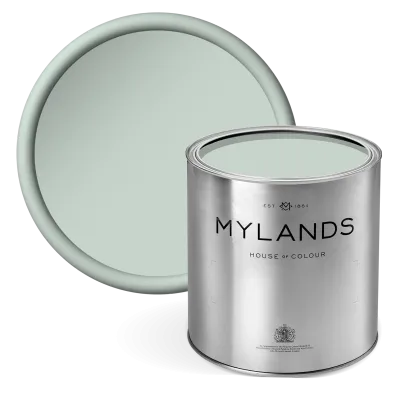
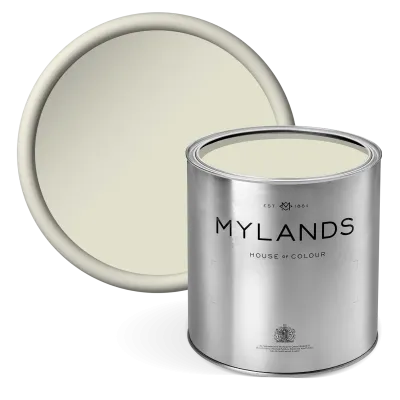
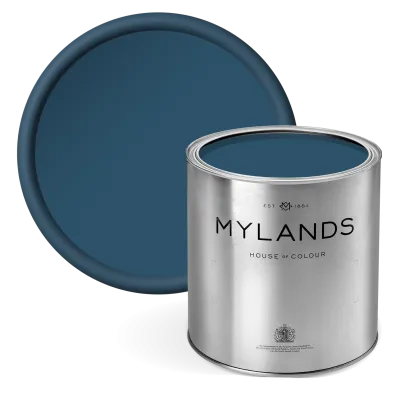
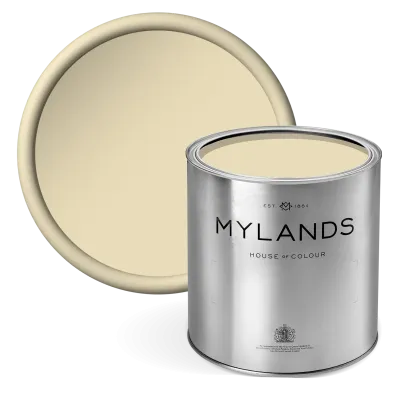
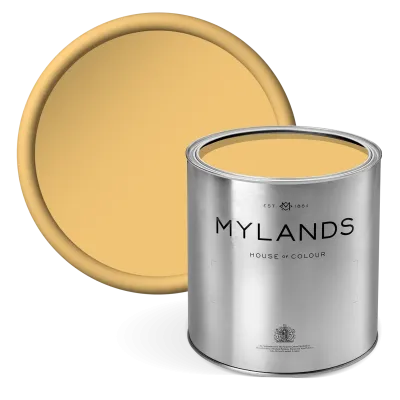
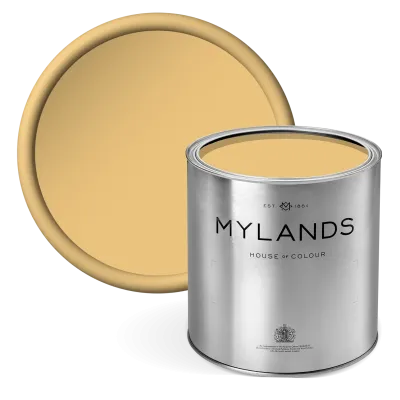
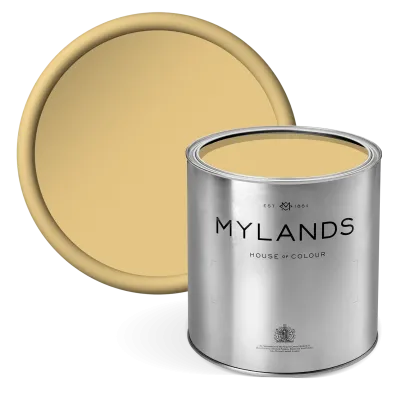
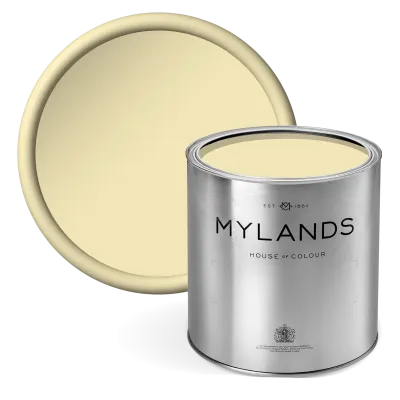
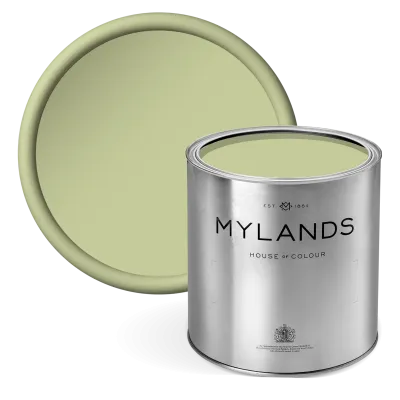
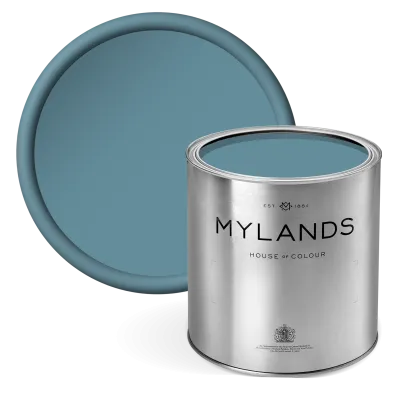
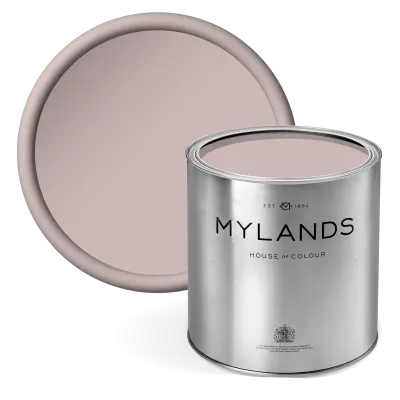
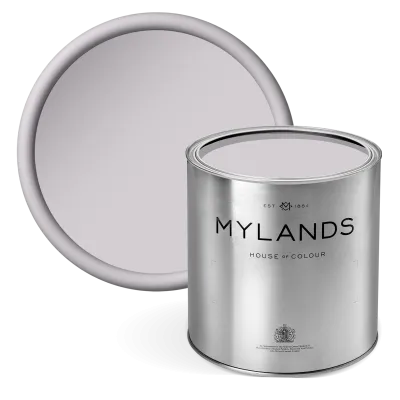
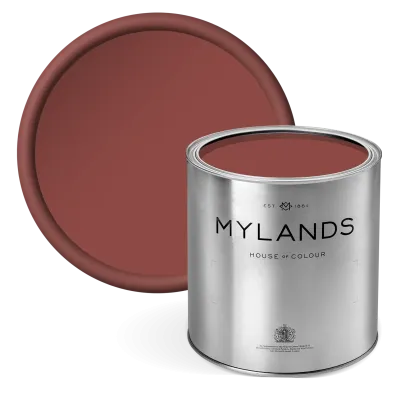
Under the Regency, and on until Victoria's accession in 1837, taste grew lighter and bolder. Antiquity rediscovered at Pompeii inspired deep reds such as Dulwich Red, our take on the 'Pompeian red' of Sir John Soane's library, while John Nash's cream stucco, recalled by Cavendish Cream, dressed the terraces of Regent's Park. Inside, straw yellows, eau-de-nil greens (Copper Green, French Green), lilacs and clear blues sat with stripes, draped fabrics and brass-strung mahogany; St James even comes from an 1835 wallpaper.

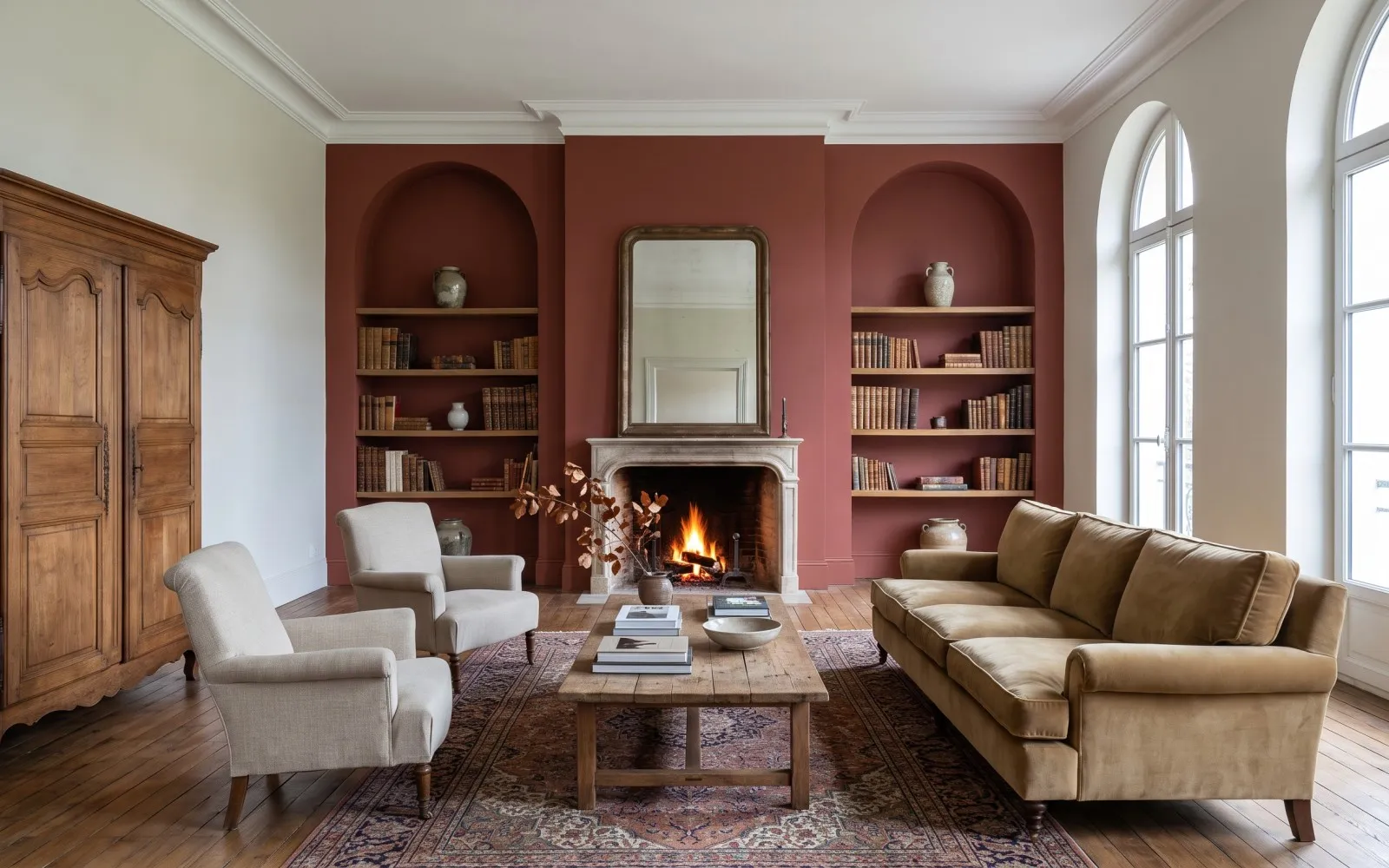
Be bold with contrast: a coloured wall in Marble Matt Emulsion, lighter or darker woodwork in Multi-Surface Satin Paint, and, for a hall or dining room, a frank Pompeian red that comes into its own in evening light.

A little history · 1811 – 1837

The Regency era

Twenty-five years of panache: the Prince Regent, Brighton and Regent Street, antiquity rediscovered at Pompeii and a palette lighter, brighter and bolder than its fathers'.

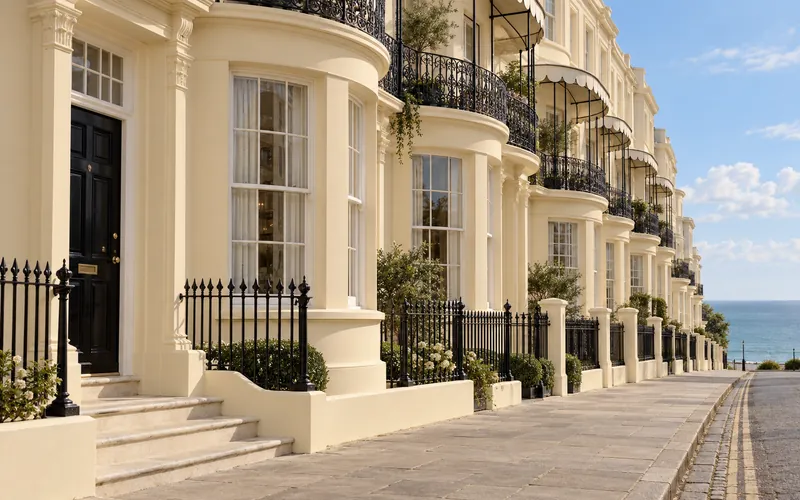
Cream stucco Regency terrace with iron balconies and bow windows
Cream stucco and ironwork: Cavendish Cream recalls Nash's façades.

The society

The reign of the Prince Regent

In 1811 the Prince of Wales began to rule for his ailing father, George III; he reigned as George IV until 1830, and his style outlived him until Victoria's accession in 1837. A spendthrift and a collector, he turned Brighton into an Indian palace and commissioned John Nash to cut Regent Street and build the stucco terraces of Regent's Park.

Victory over Napoleon in 1815 reopened Europe to travellers; fashion came from Paris, motifs from Egypt and Greece, porcelain from China. It was Jane Austen's England: balls, spa towns and sea bathing.
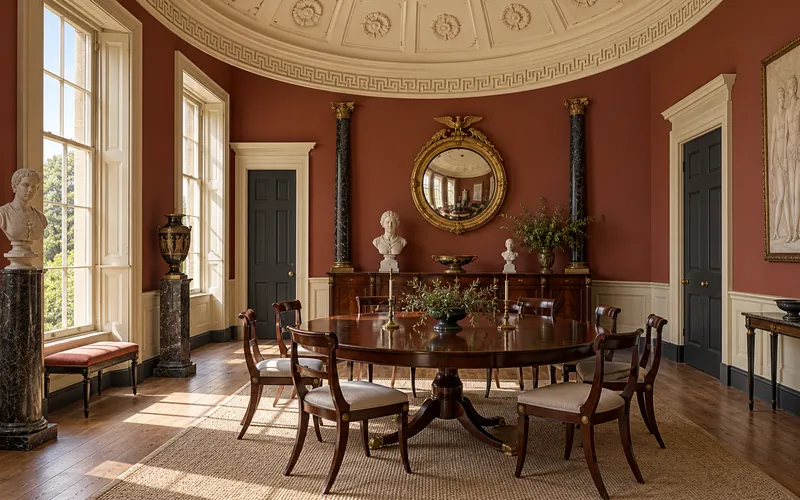
Regency dining room with Pompeian red walls
Dulwich Red, our reading of Soane's Pompeian red, with Cavendish Cream.

The interior

Antiquity, chinoiserie and stripes

The digs at Pompeii and the Egyptian campaign fed a more archaeological neoclassicism: sabre legs, sphinxes, lyres, Greek key friezes. Rosewood and mahogany furniture was inlaid with brass; windows curved into bows, balconies filled with wrought iron.

Walls were papered in stripes or hung with draped fabric; curtains with swags and tails fell from gilded poles. At Sir John Soane's house in Lincoln's Inn Fields, convex mirrors and top-lit rooms show the era at its most inventive.

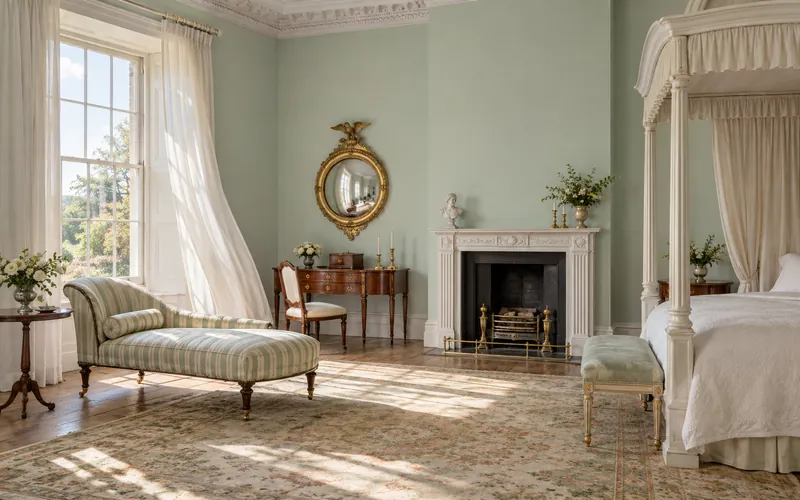
Eau-de-nil Regency bedroom with a half-tester bed and striped chaise longue
Copper Green and Belgravia: the freshness of a Regency bedroom.

The colours

Pompeian red, eau-de-nil and lilac

The palette grew lighter and more contrasted. Pompeian reds and Etruscan earths answered straw yellows, eau-de-nil greens, lilacs and clear blues; new chrome yellow blazed on drawing-room walls. Woodwork, often white or stone, threw the wall colour forward.

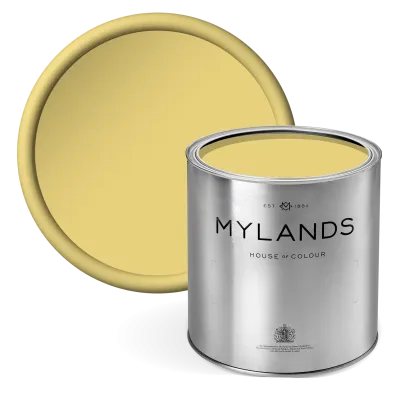
Our St James comes from an 1835 wallpaper found in London; French Green is a shade fashionable at the turn of the century; Dulwich Red the red of Soane's library. Copper Green, Pale Lilac and Verdure Yellow complete the lighter side of the range.

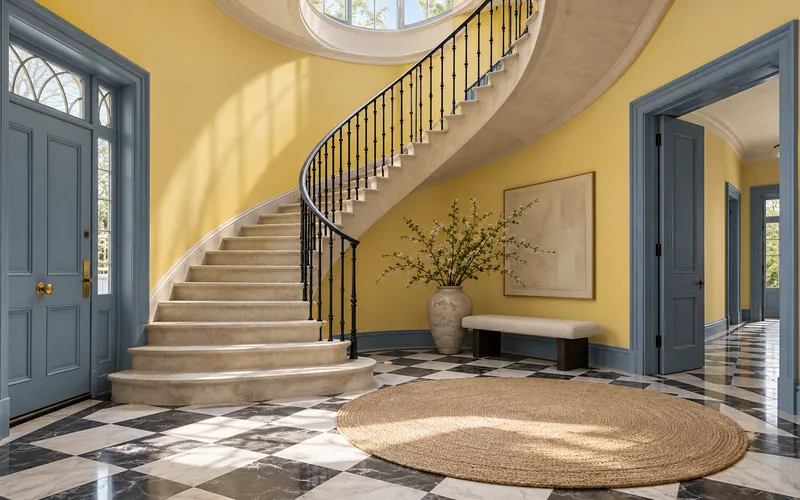
A Regency-spirit hallway today, straw-yellow walls and a curved staircase
Verdure Yellow, Boathouse and a stone staircase: the Regency in 2026.

The legacy

And today?

The Regency was brief, but it had everything: Georgian clarity and a taste for the gesture. When Victoria came to the throne in 1837 the palette darkened and thickened; it took a century to recover that lightness.

Today, a wall in Dulwich Red or Verdure Yellow, woodwork in Cavendish Cream and a touch of black are enough to give a hall or dining room the Regency spirit. Try a stripe on one wall only, and keep everything else very plain.

20 colours found

Showing 1 to 20 of 20 results

Show
per page
Sign up to our newsletter

Sign up to our newsletter

Thanks for signing up to our newsletter!