Painting furniture and cabinetry

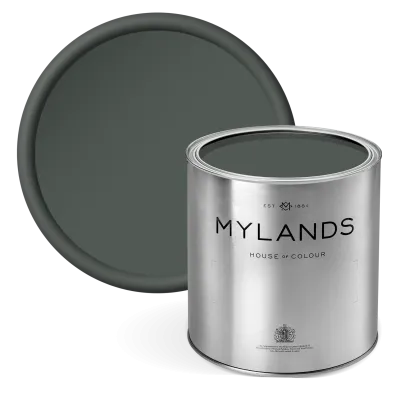
A chest of drawers from a flea market, an inherited sideboard, a pine bookcase, built-in cupboards: paint gives them a second life and the room a note of colour without committing the walls. We recommend first of all Multi-Surface Eggshell (15%), soft to the touch and hard-wearing, Satin (40%) for hard-worked pieces, a kitchen table or a child's desk, and Dead Matt (5%) for a chalky look, all three over our Multi-Surface Primer. Gloss (85%) can lacquer a sideboard or a chinoiserie chest, and Marble Matt Emulsion is for decorative pieces only, protected with a coat of Mylands wax.

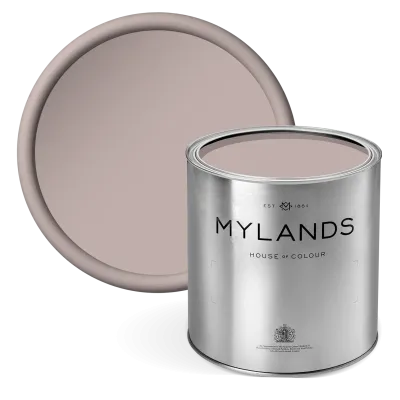
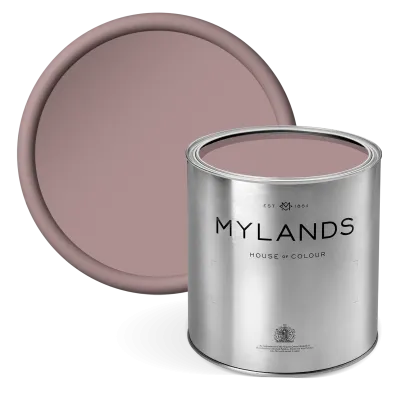
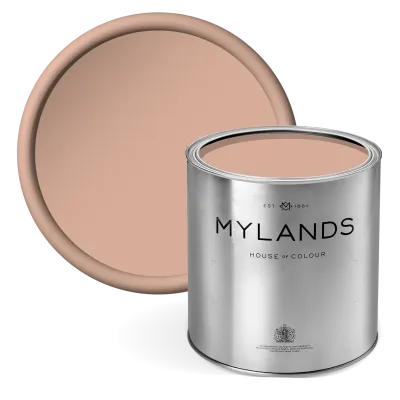
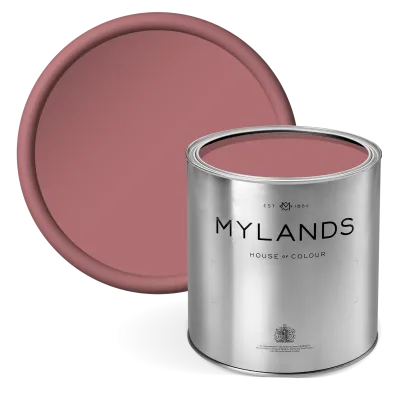
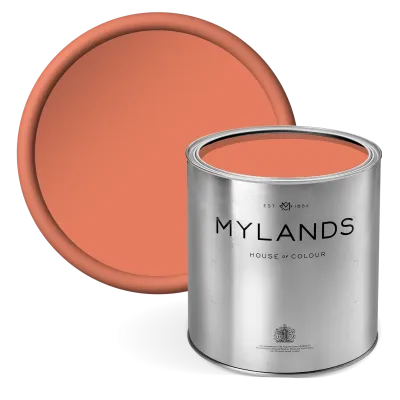
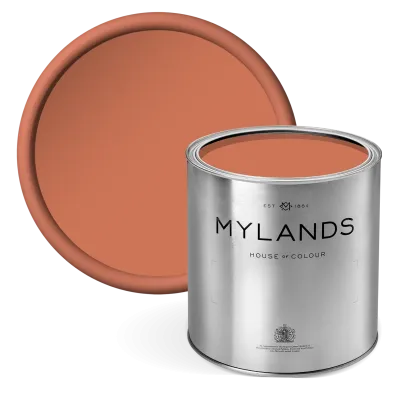
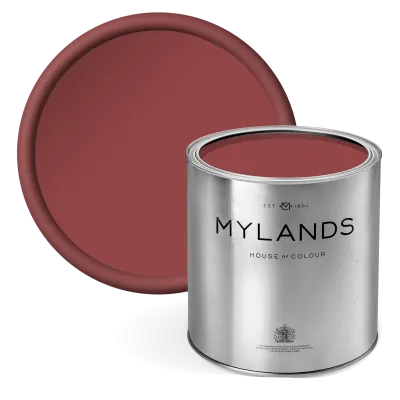
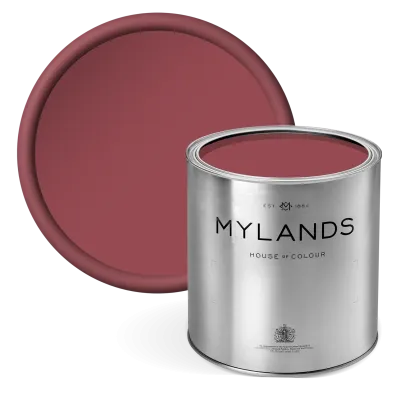
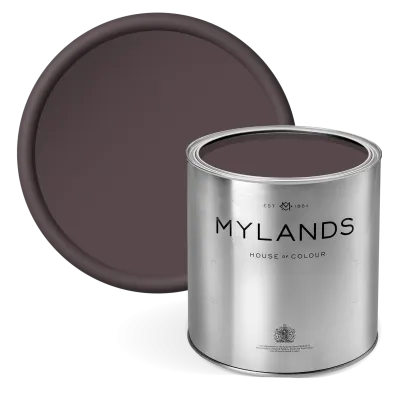
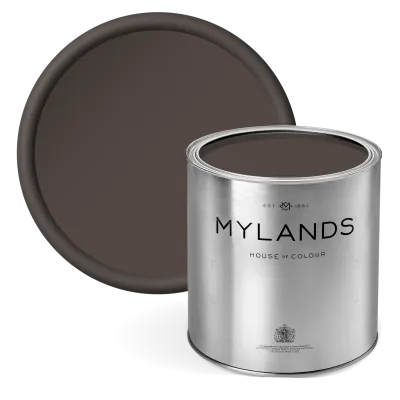
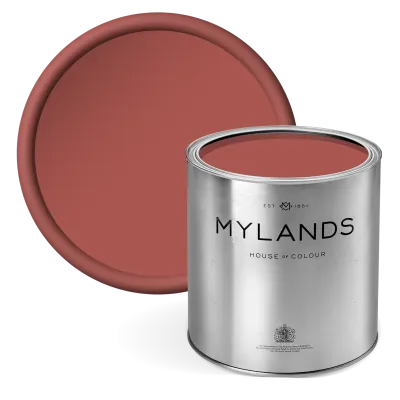
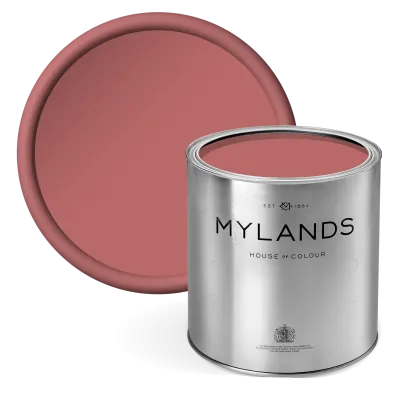
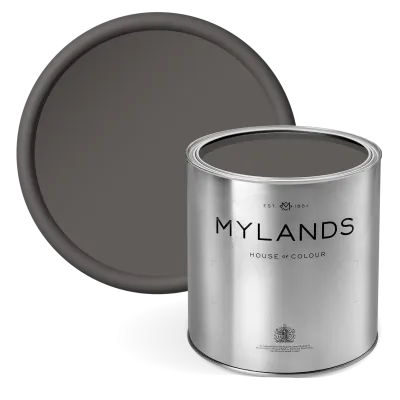
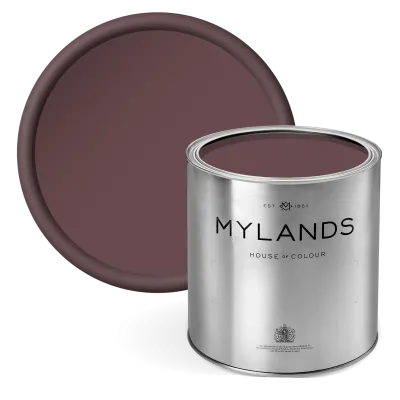
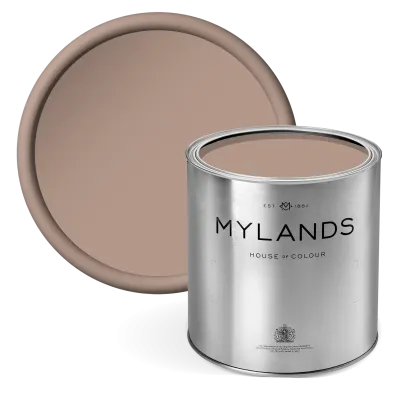
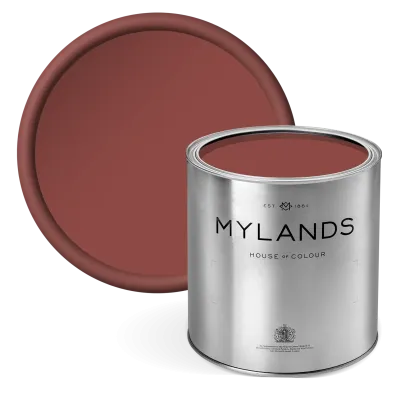
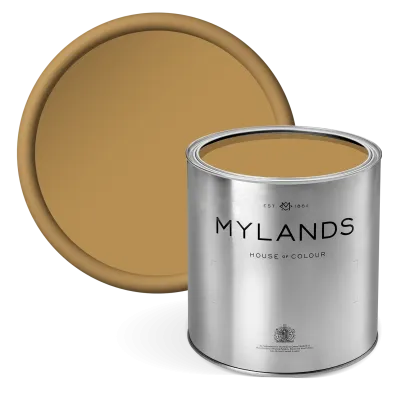
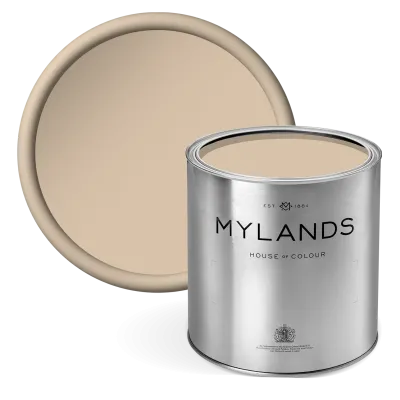
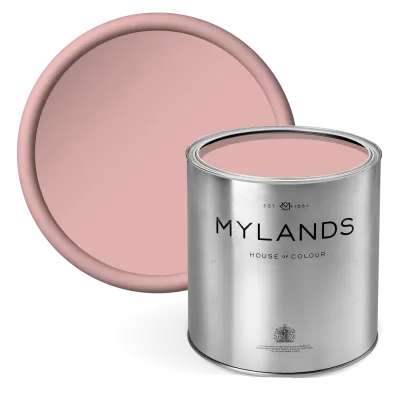
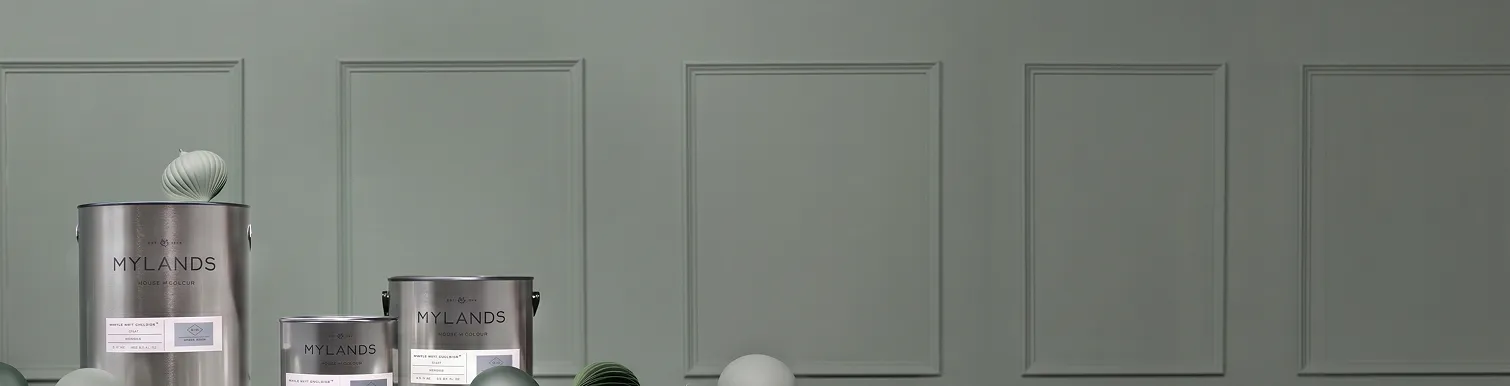
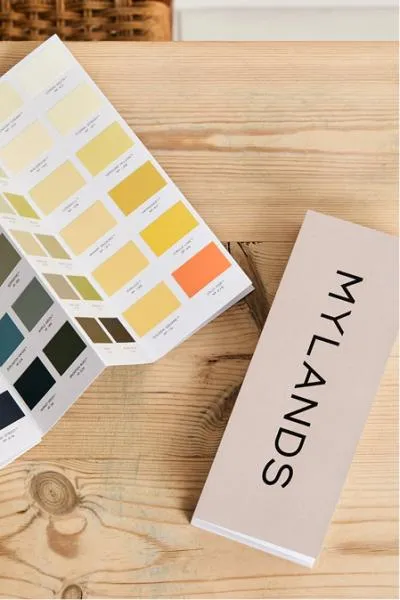
Furniture is where you dare: Haymarket or Pimlico on a sideboard, Burlington or Bedford Square on a chest of drawers, Plum Tree or Dulwich Red at the back of a bookcase. The colours below run from frank yellows to deep greens, with a few neutrals for cupboards meant to stay quiet.

Recommended finishes

Furniture

Also suitable: Multi-Surface Gloss, Marble Matt Emulsion, Metallic Paint

Marble Matt Emulsion: decorative pieces only, finished with Mylands wax.

Our advice

Repainting furniture, done well

Eighty per cent of the result is decided before the first brushstroke: dismantle, degrease, sand, prime.

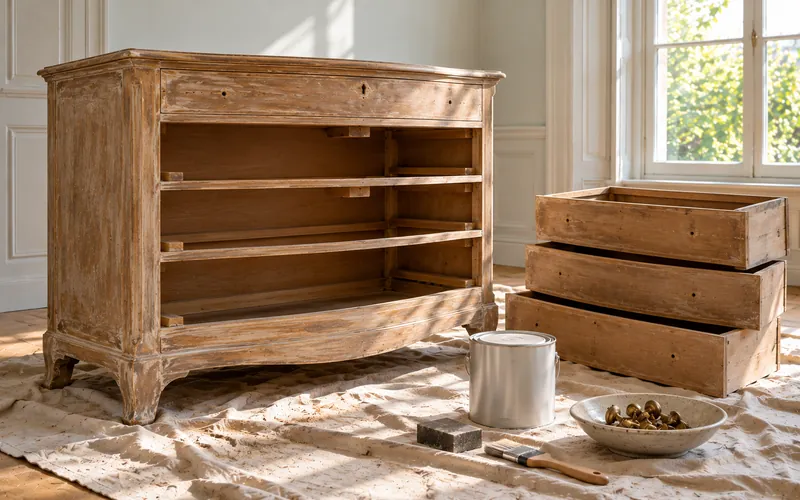
Old chest of drawers without its drawers or handles, sanded, standing on a dust sheet with a Mylands tin of undercoat
Drawers out, handles off, varnish dulled: ready for the undercoat.

Prepare

Dismantle, degrease, sand

Take the drawers out, unscrew handles and hinges, lift out the shelves: every part paints flat and separately. Wash with degreaser to remove wax, polish and finger marks, rinse. Sand with 180 grit to dull a varnish, 120 for bare wood, and dust off carefully, edges included.

Bare wood, knotty pine or melamine gets our Multi-Surface Primer first, in the tone matched to the colour: it blocks the tannins in pine and makes paint grip laminate. Fill chips with wood filler and sand again.
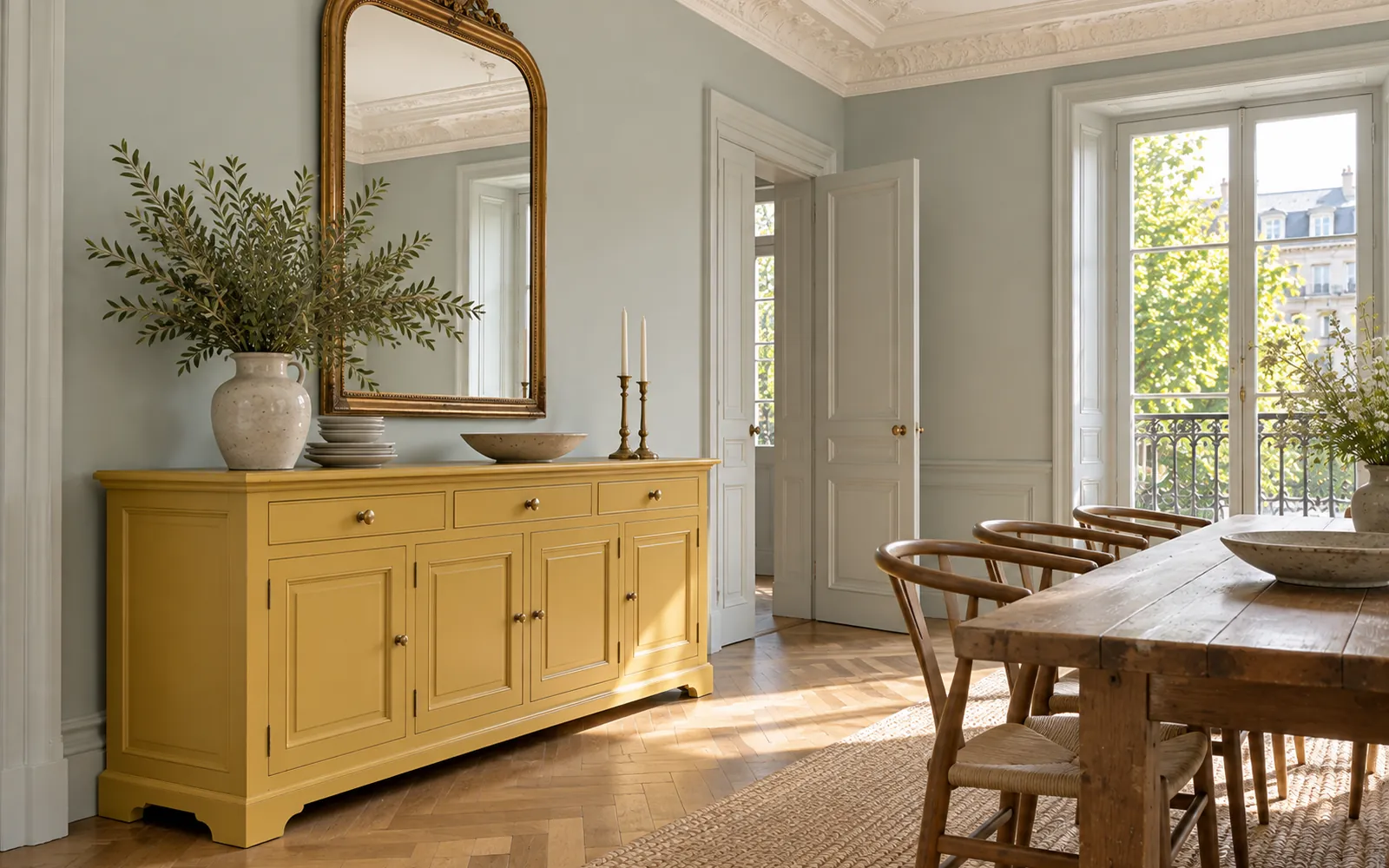
Sideboard painted golden yellow in a dining room with pale grey-green walls, crockery and a vase on top
Haymarket on the sideboard, Beaufort Gardens on the walls.

Paint

Thin coats, and time to harden

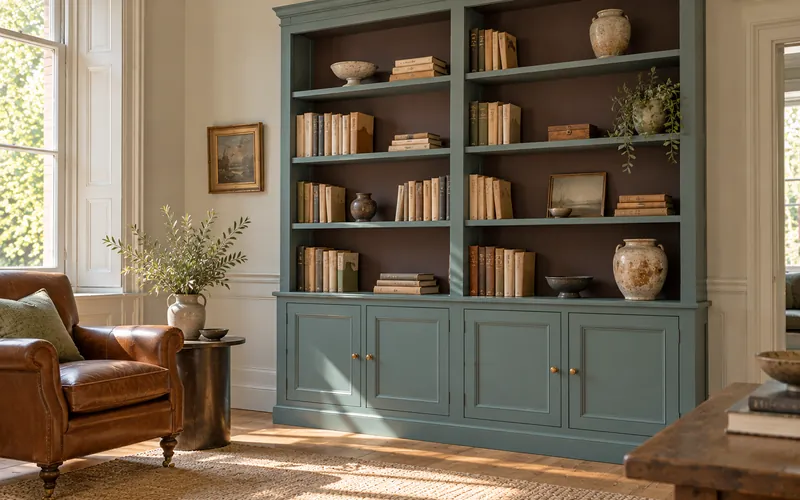
Apply the Eggshell (or Satin, or Dead Matt) with a synthetic brush on mouldings and a small foam roller on flat surfaces, laying off straight away with the brush along the grain. Two thin coats, 3–4 hours apart, a light rub with 320 grit between them. On a bookcase, paint the back a deeper tone, Plum Tree or Deep Green: the objects stand out.

Let it harden for a week before drawers, books and objects go back, as the paint reaches full hardness in seven days. A Burlington chest in a Cadogan Stone bedroom, a Haymarket sideboard in a Greenstone dining room: one coloured piece is enough to set the tone.

214 colours found

Showing 193 to 214 of 214 results

Show
per page
Sign up to our newsletter

Sign up to our newsletter

Thanks for signing up to our newsletter!