Choosing a staircase colour
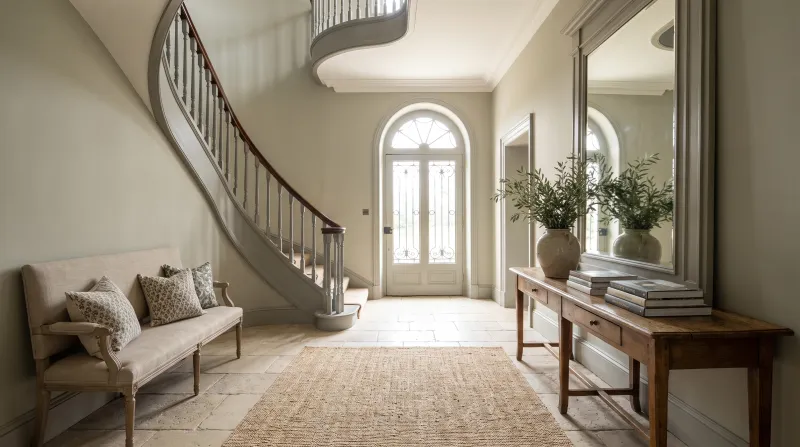
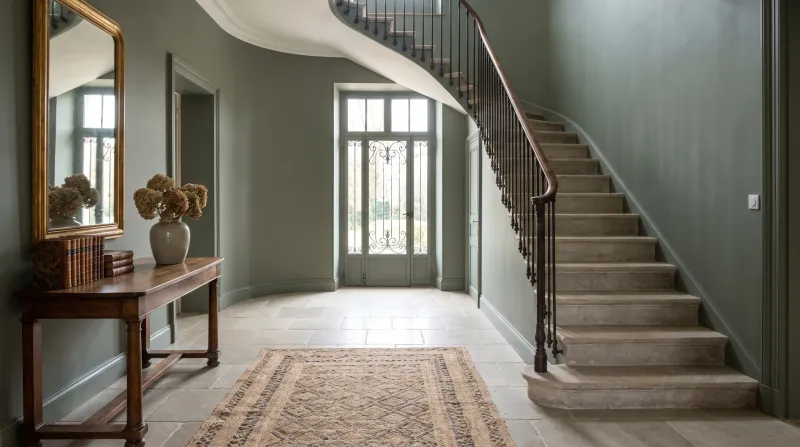
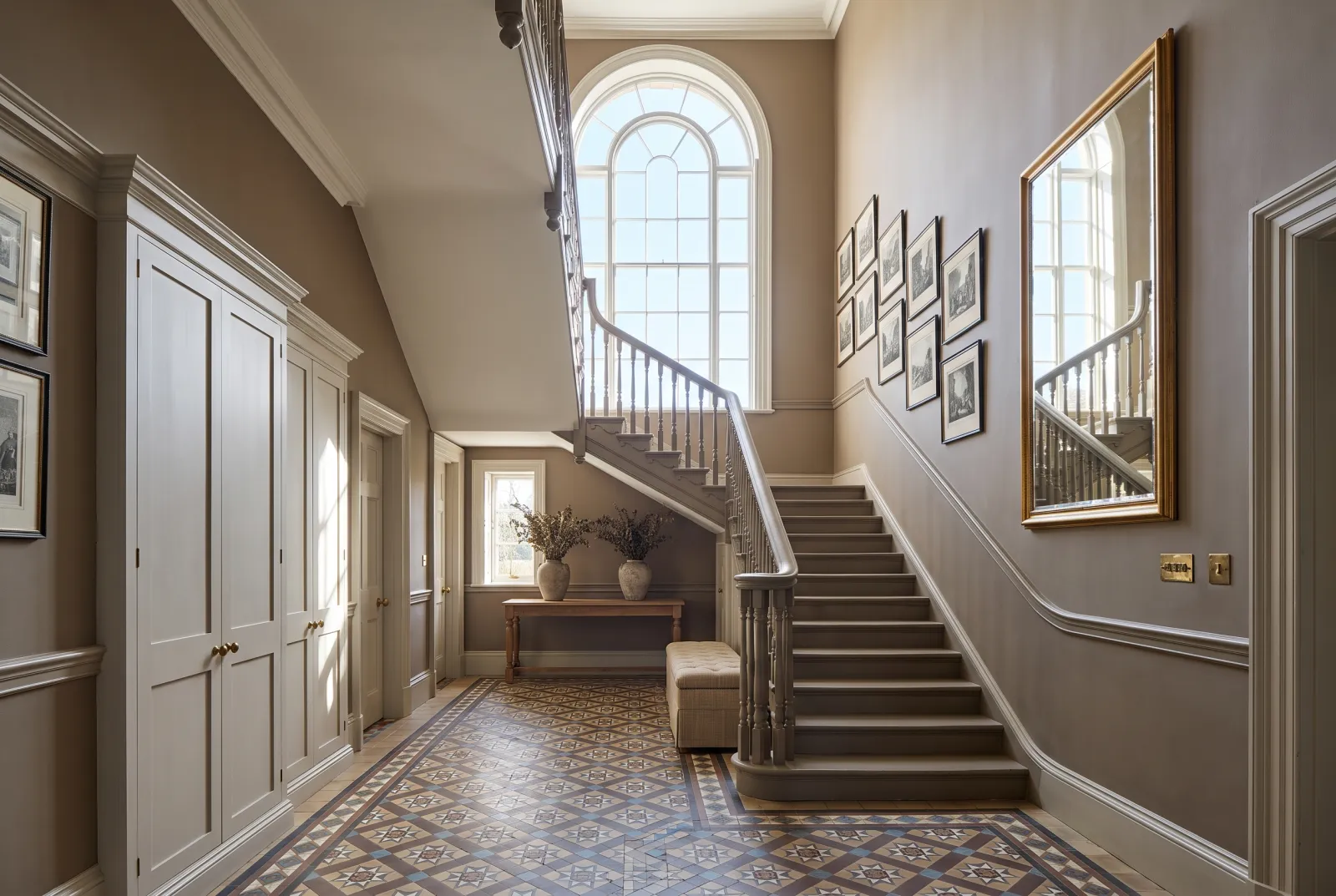
A staircase has three peculiarities. It is tall: a colour covers two or three times the area of a normal wall there, and a slightly strong shade quickly becomes overbearing. It is unevenly lit, often from above: the same colour is pale on the top landing and dark at the bottom. And it is seen from every room: its colour must get on with each of them.
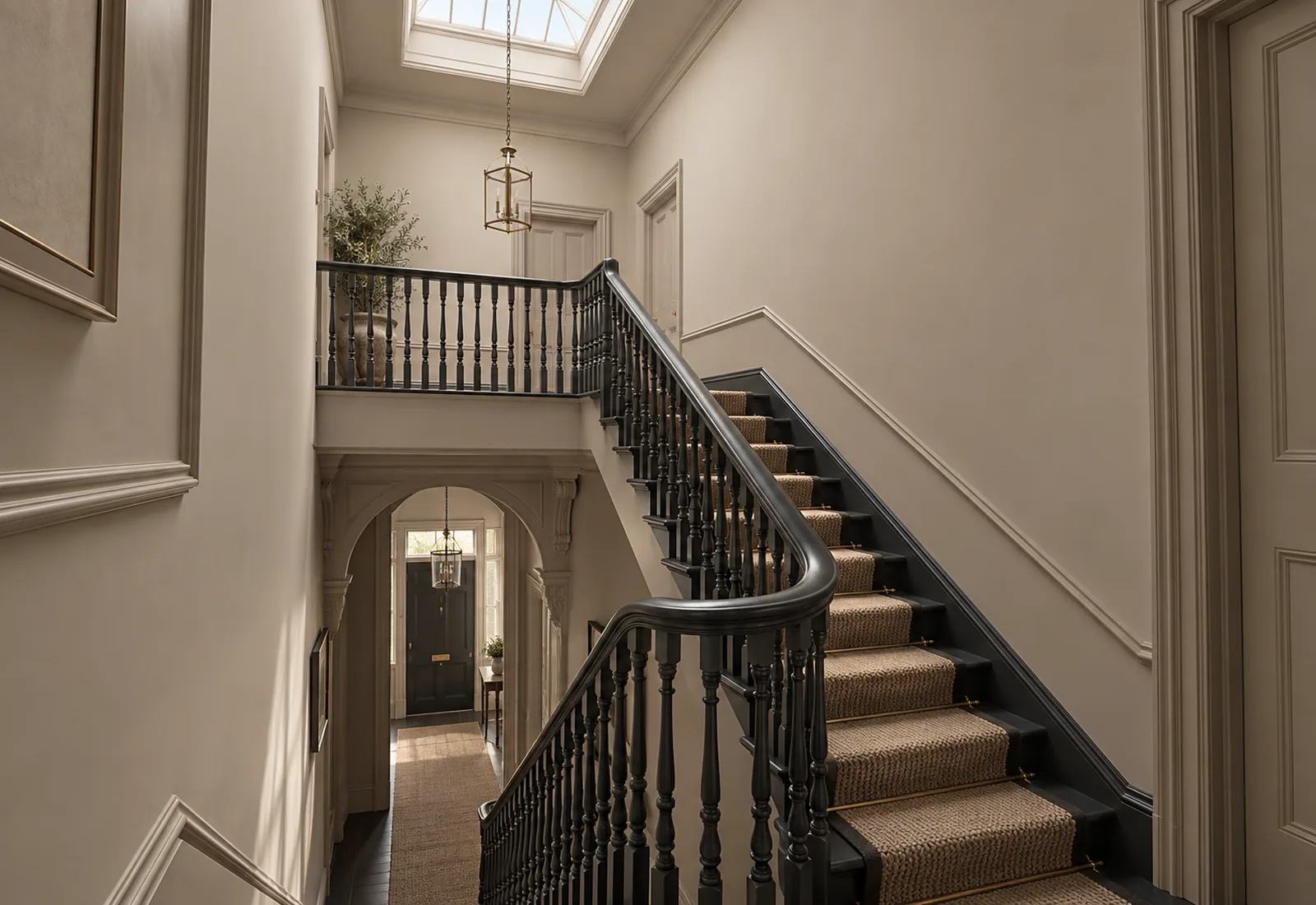
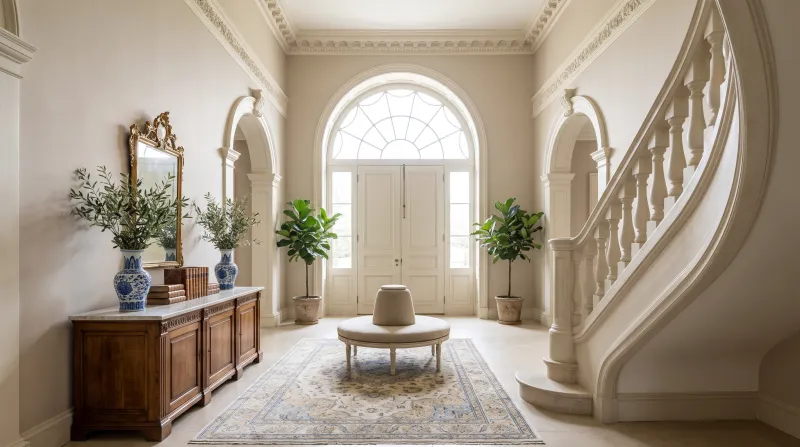
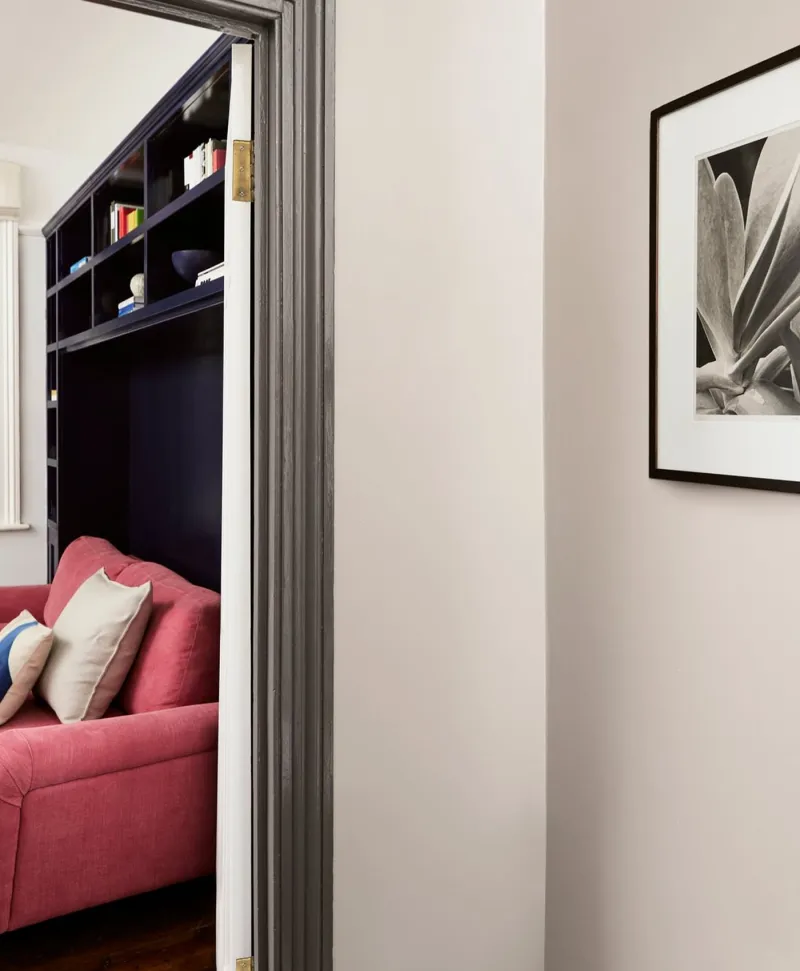
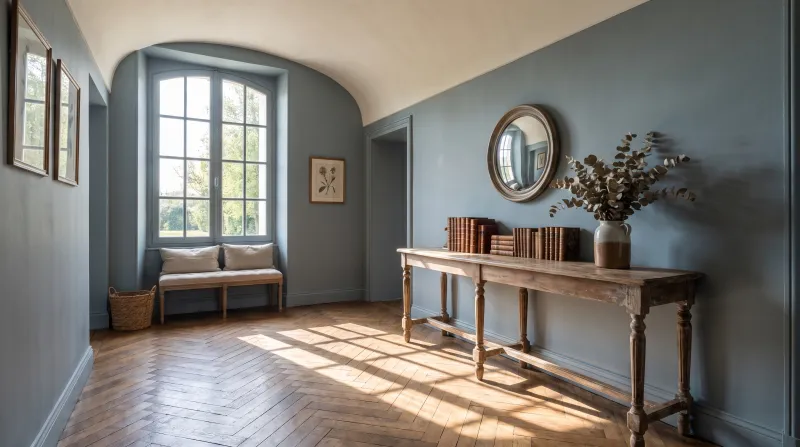
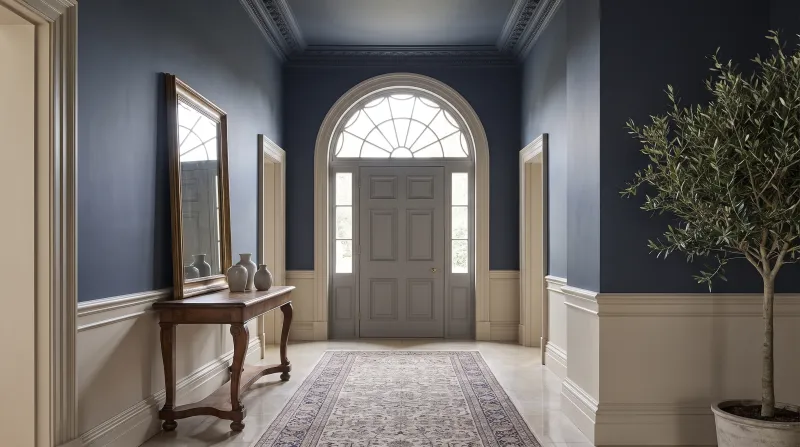
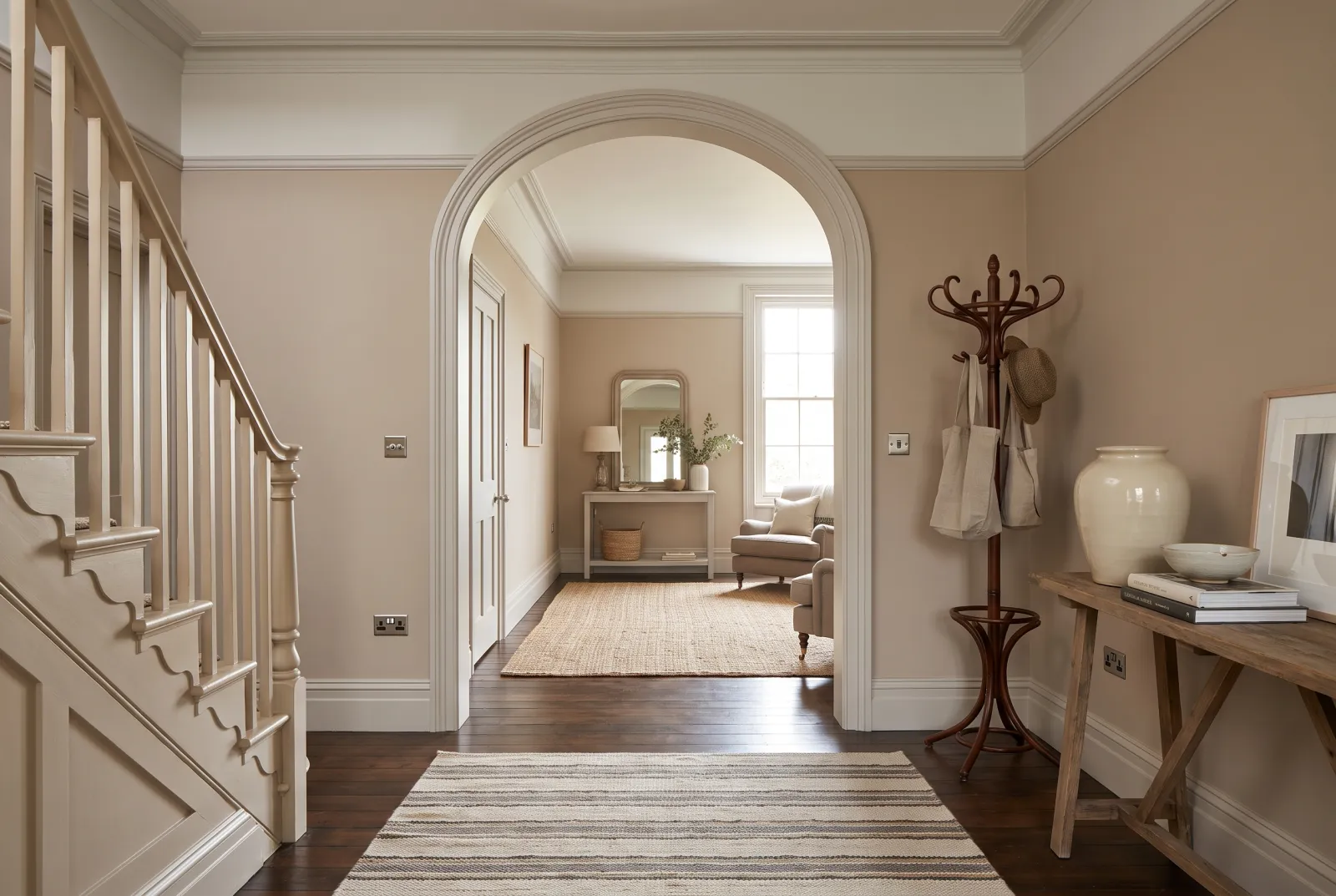
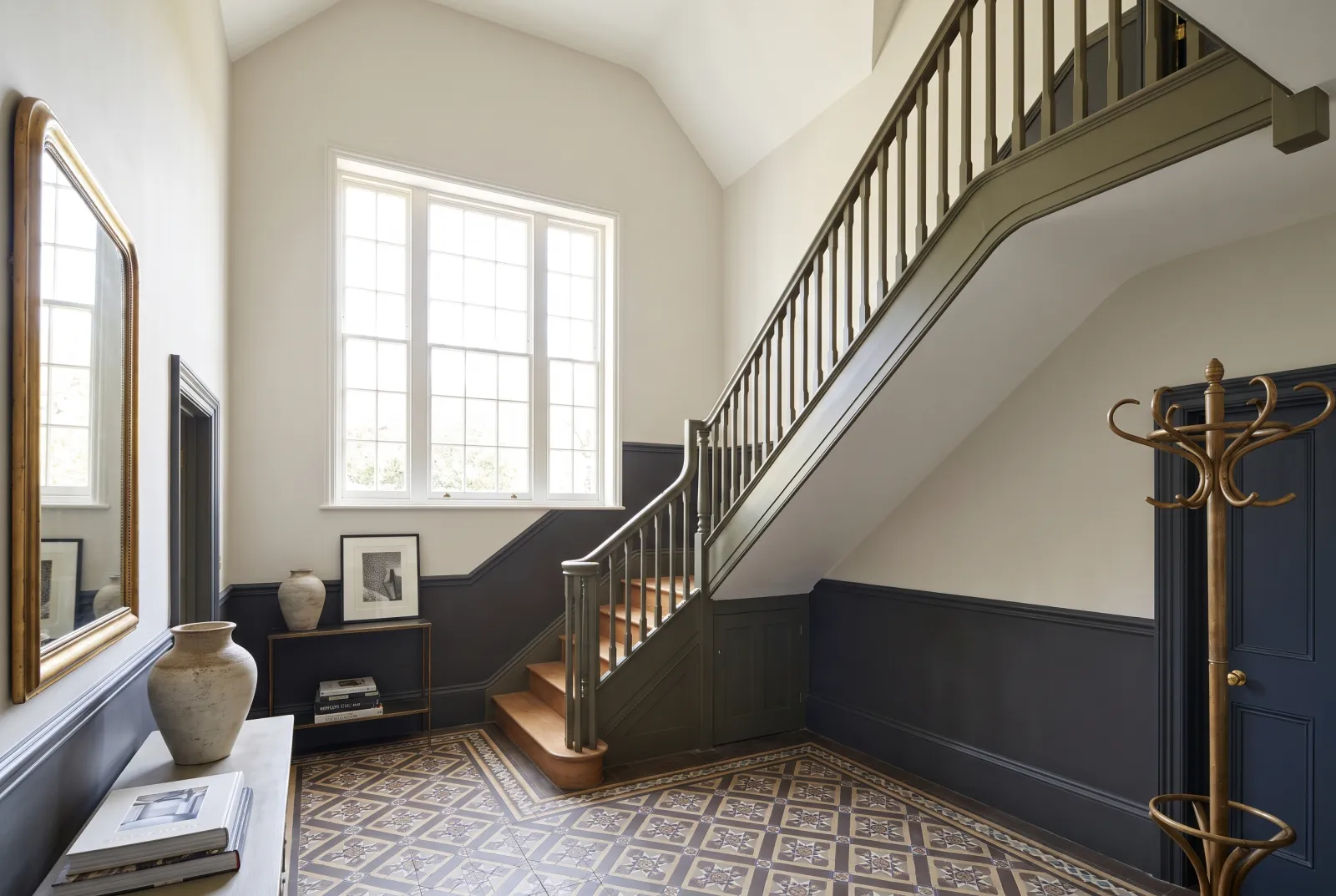
Hence our rule: a warm neutral — Frieze No.84, Hoxton Grey No.72, Lots Road No.24 — over the full height, ceiling included, for most houses. A more defined colour if the staircase is bright and the rooms around it sober. A dark colour drench if the staircase is windowless and you would rather make it an experience than a problem.
The ceiling, without exception
In a staircase, paint the ceiling in the wall colour. A white ceiling above six metres of colour draws a line the eye follows to the top, and makes the stairwell narrower. Without that line, the height becomes space.
Banister, treads and doors
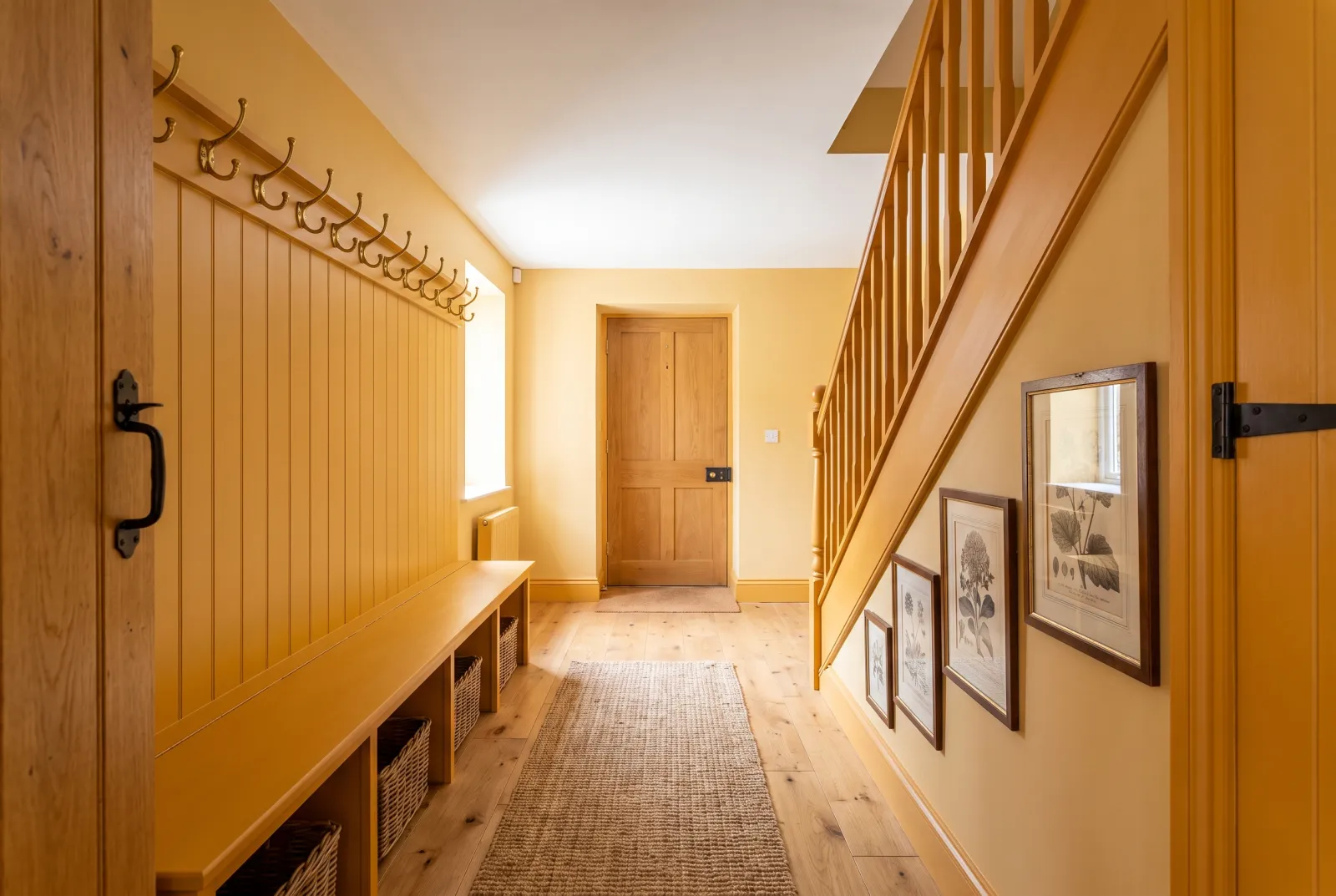
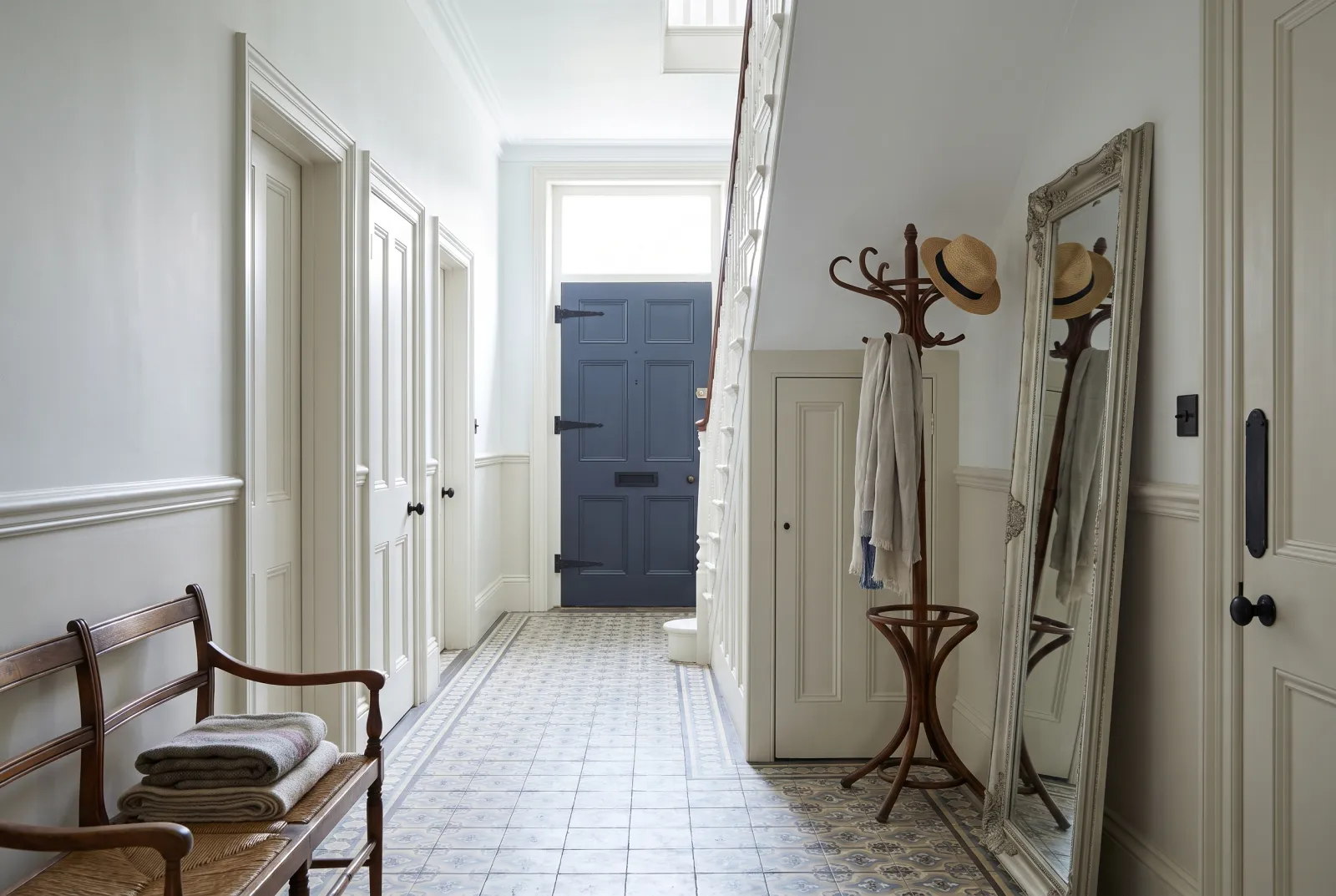
The banister and skirtings are painted in Multi-Surface Satin, in the wall colour or in Downing Street No.10. The treads, in Decorative Floor Satin. The landing doors, in the wall colour in satin: no white rectangle left to chop up the climb. The finishes in detail are in which finish for a hallway?; the hallway colours, at the bottom, in our colours for a dark hallway and our hallway ideas.