The journal
A Kitchen in Bloom: A Conversation with Cherrywood Bespoke
Luke Cherry, founder of Cherrywood Bespoke, has spent over two decades honing a craft defined by impeccable detail, timeless design and a deep respect for traditional joinery. His ability to merge classic techniques with contemporary style has earned him a reputation for creating elegant, functional pieces tailored to each client's vision.
Here Luke shares the roots of his craftsmanship and his unique connection to our paints, now an essential part of his process, revealing how their depth and versatility elevate his work from preparation to finishing touches, giving every piece its own quiet, considered artistry.
What inspired you to start the business, and how did your journey in bespoke joinery and furniture-making begin?
My path into bespoke joinery was a natural one. I'm a cabinet maker by trade with over 20 years' experience, and I still find myself back on the tools when an extra pair of hands is needed in the workshop. For me it's never about doing things quickly or cutting corners; it's about making something properly, something that lasts and makes a difference to the person using it every day. That desire to create beautiful, functional spaces that genuinely improve everyday living is what inspired Cherrywood Bespoke.
Where is the workshop, and how many people work with you?
Our workshop and showroom are just a short five-minute drive apart, in lovely North Oxfordshire villages. The showroom is in Cropredy, in a building owned by my father as part of his trade business, and the workshop sits in Edgcote, on a farm that's part of a successful racehorse trainer's yard. Right now we have a brilliant team: two full-time cabinet makers, two fitters, myself, my wife Jodie, our part-time marketing and PR manager, and a talented interior designer. We all work really well together, and I value having a small but dedicated team.
How long have you used our paints, and what first drew you in?
I first came across Mylands over 10 years ago, and it quickly became a favourite. What drew me in was the story behind the brand; knowing it was family-run really resonated, that sense of heritage and independence felt familiar and meaningful. The quality really stood out too; it has a beautiful, rich finish, and the palette feels timeless and well considered. Mylands impressed me because they were one of the only specialist paint companies offering three primers that could run under a wide range of shades, which meant we could reduce waste, appealing both practically and environmentally. Mylands felt like the more thoughtful choice.
Why have you continued using our products over the years?
Mylands has always been a favourite. The palette feels considered, classic with a creative edge, and I've always loved the distinct names that tell a story. I was also drawn to the fact that your paints are used in the creative industries, theatre, TV, film and galleries, which adds a richness to the narrative and to the spaces we create. Those kinds of details matter to me.
Why do you think our paints work for kitchens?
They have a real depth and quality that works beautifully for kitchens; they're durable, have great coverage and level out really well, which is especially important when hand-painting.
Do you have a favourite Mylands colour or palette you return to often, and what makes it special?
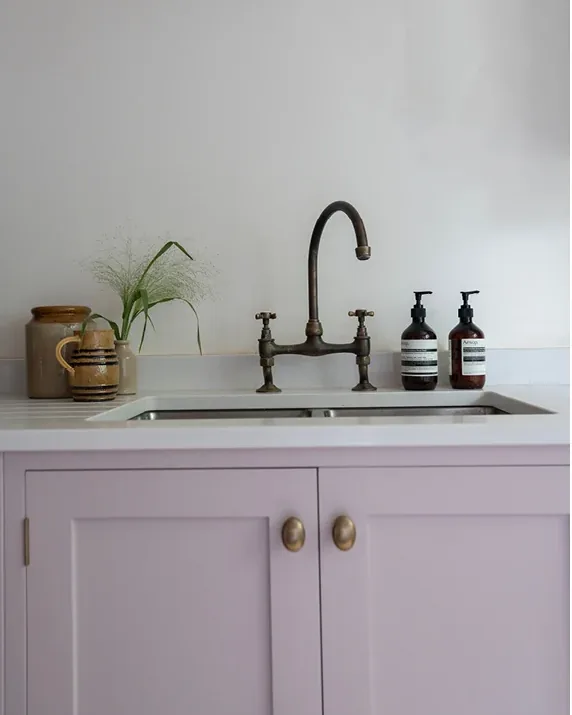
I really like Messel™ No.39; it's the colour we chose for our own kitchen at home, so I've lived with it day-to-day and still really enjoy it. It has a depth that feels grounding, quite a masculine tone perhaps, but very calming, and we loved it so much that we painted a large run of cabinetry in Messel in our showroom too.
Tell us about a recent project where Mylands really elevated the result
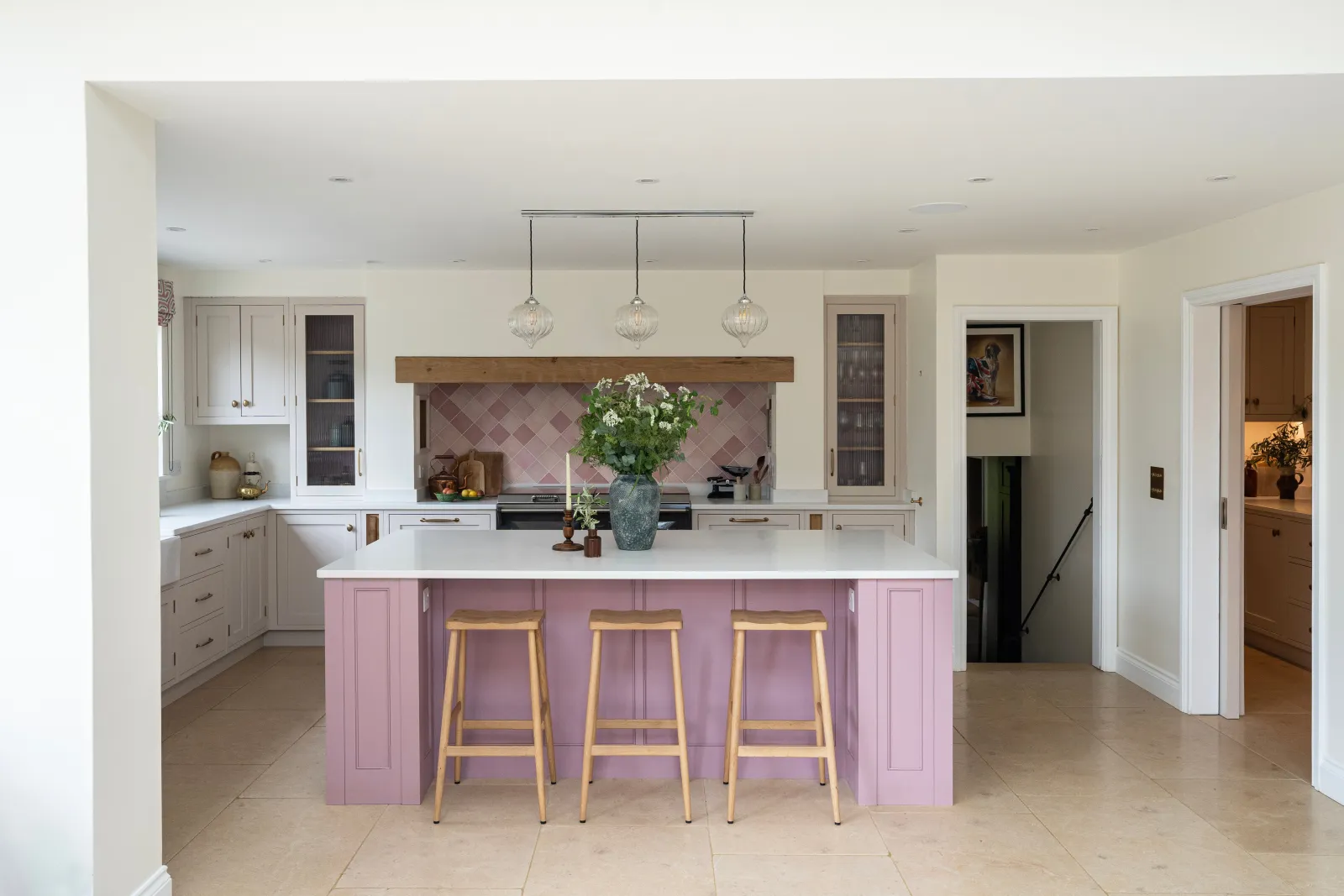
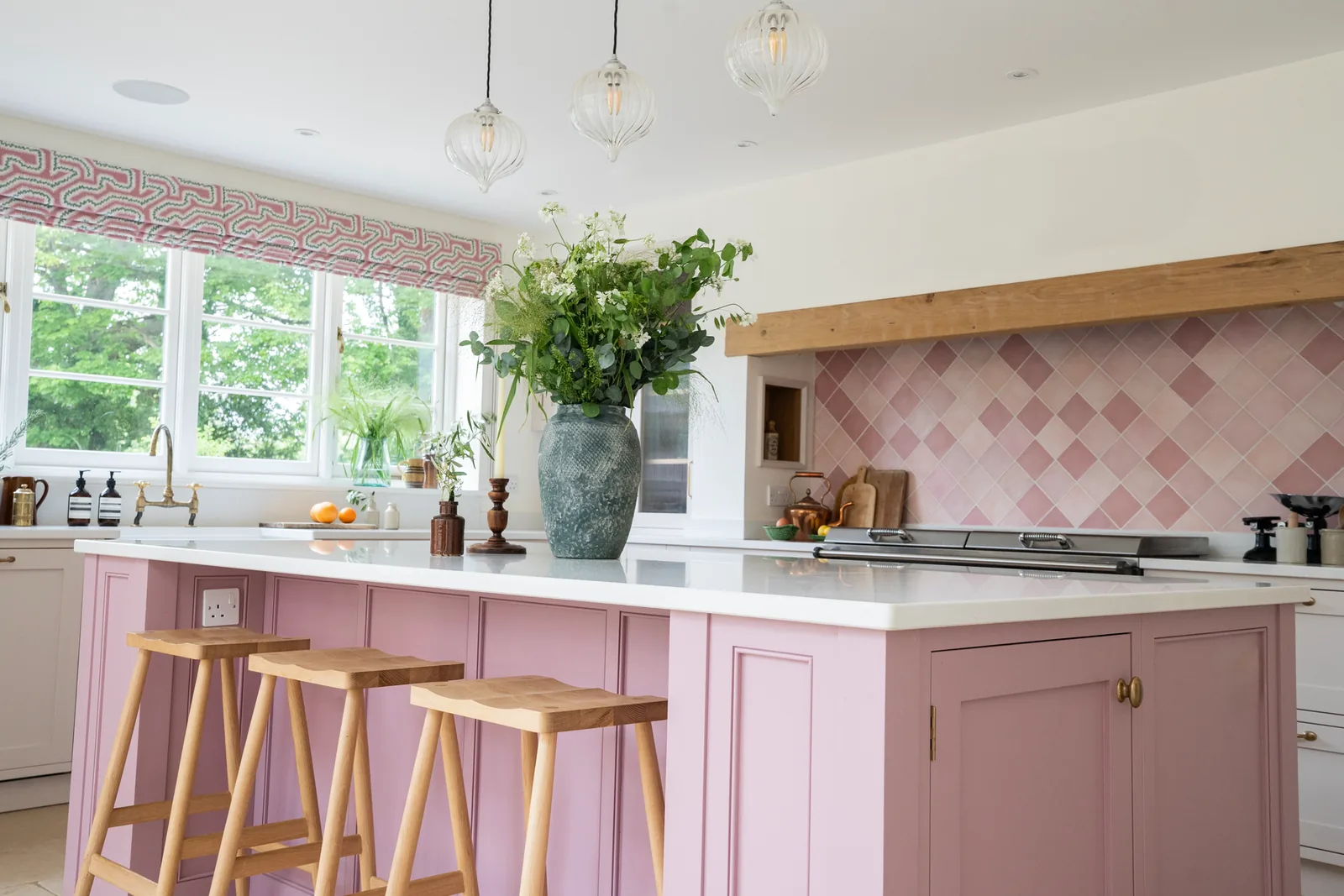
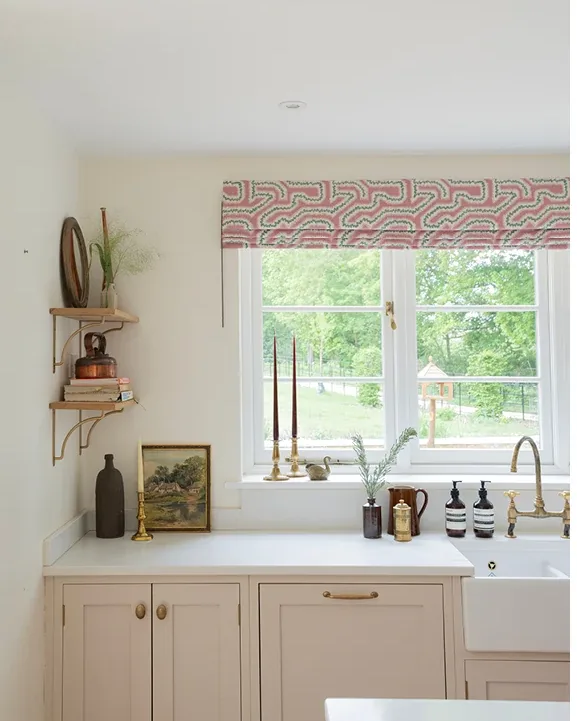
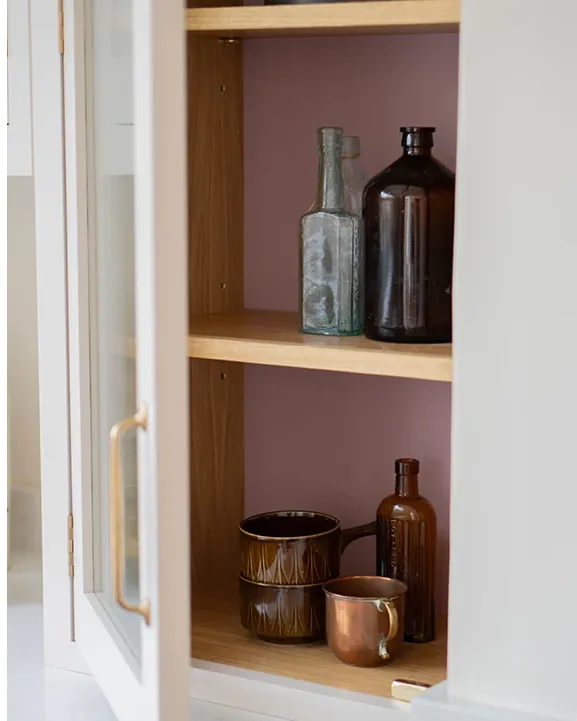
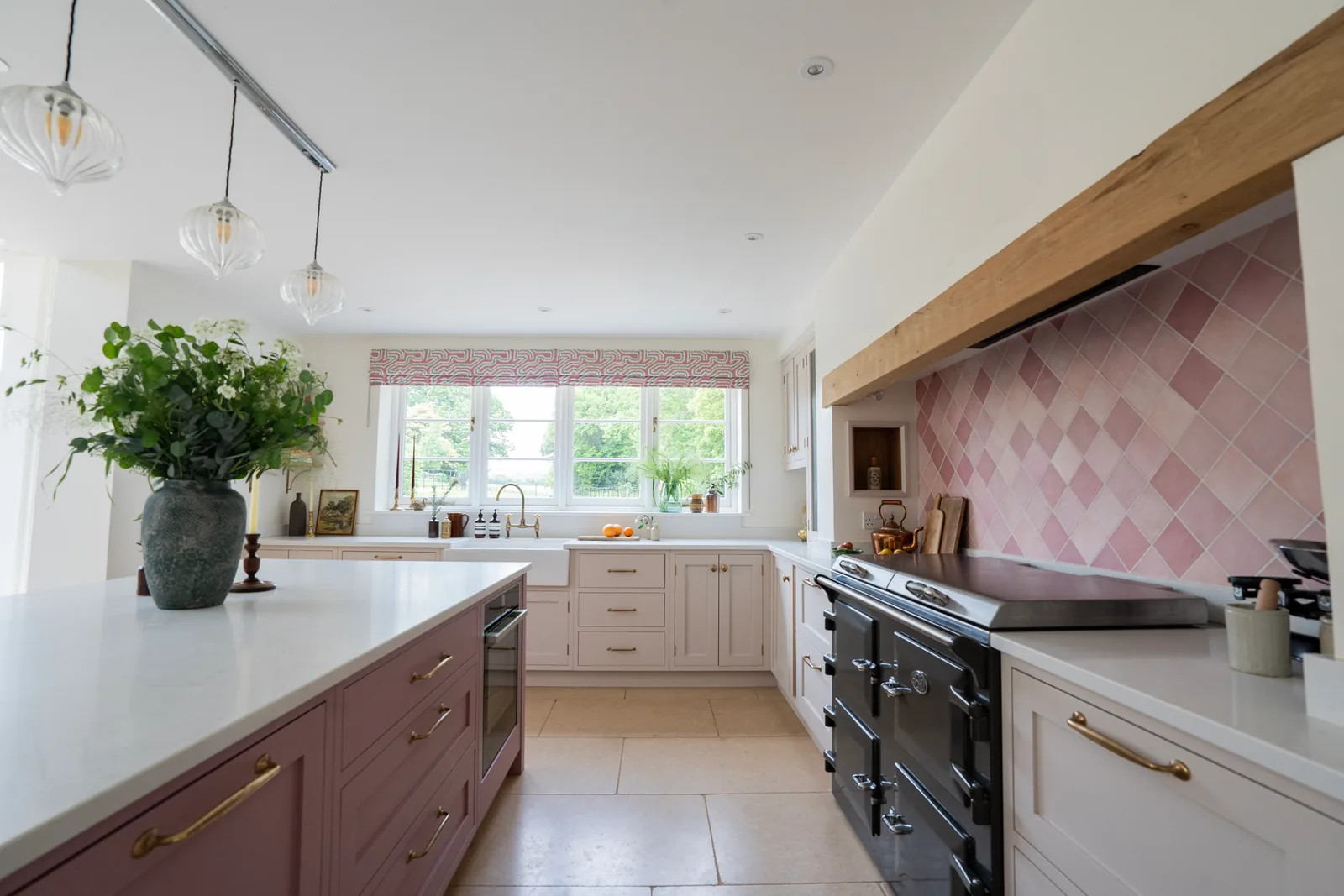
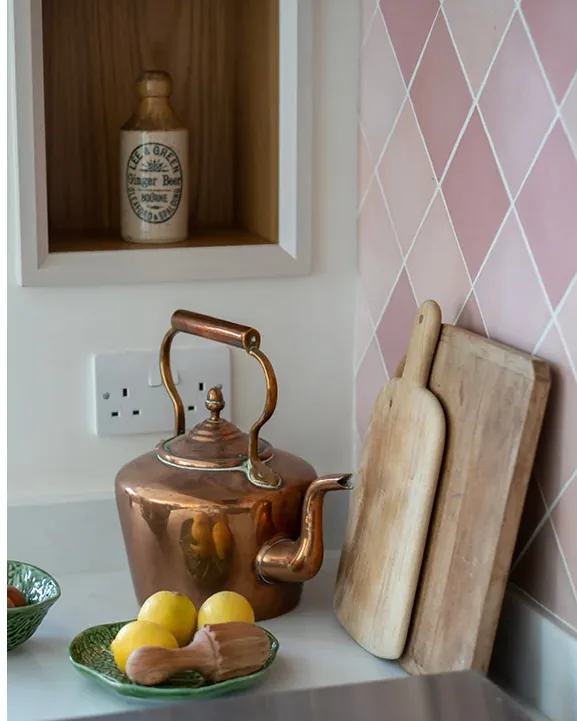
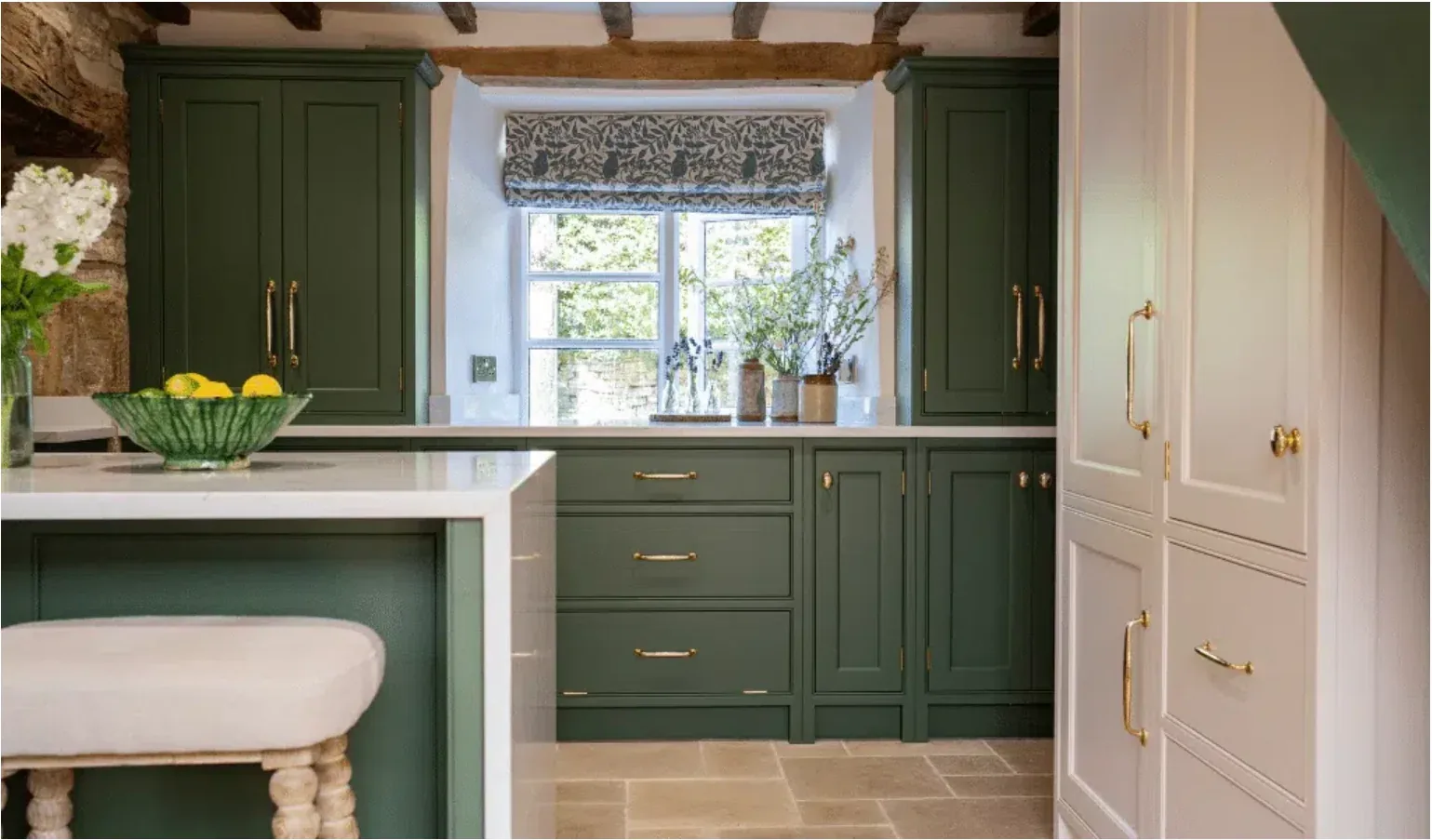
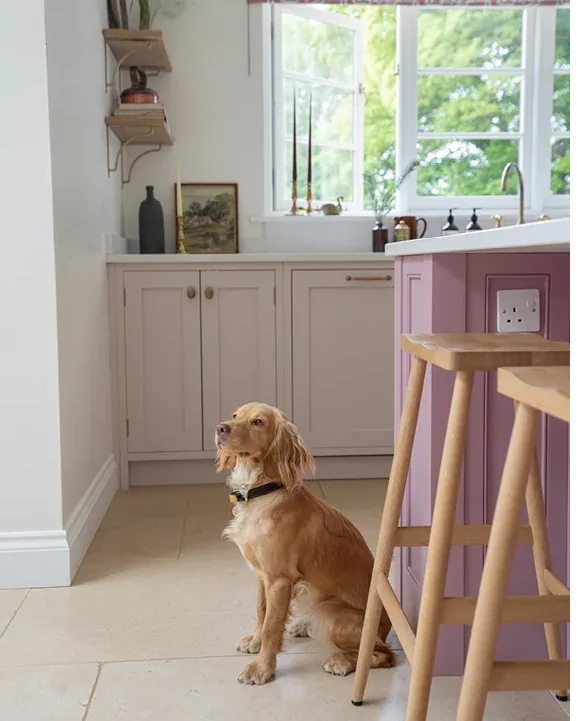
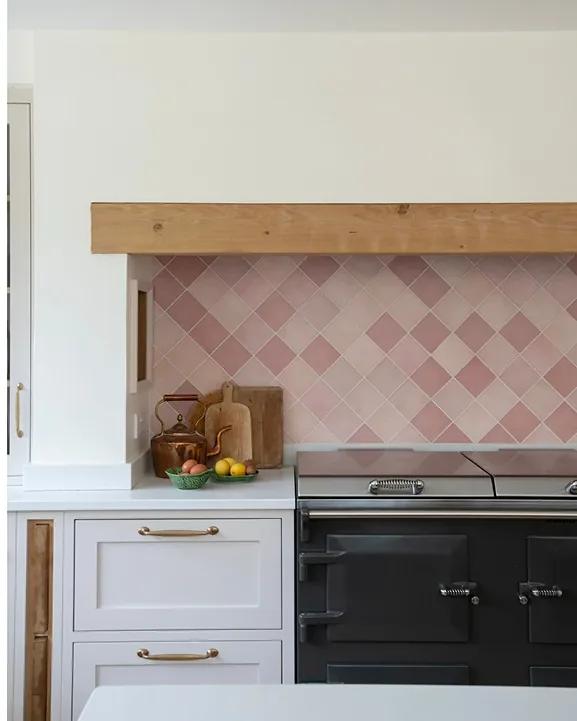
A few come to mind! One of our most recent was a classic farmhouse-style shaker kitchen painted in Soho Pink™ No.266, Hoxton Grey™ No.72 and Bloomsbury™ No.267 (featured). Our customer wanted a pink kitchen, and it took time to find just the right shade, but the final result looks incredible and timeless, with a lovely softness against the dark range cooker. Another favourite was a kitchen we completed last year in a traditional Cotswold stone cottage, where we painted the cabinetry in Brompton Road™ No.205, a rich, earthy green that worked so well with the texture of the stone walls, and Clerkenwell™ No.21; the cabinetry had to be carefully cut into the stonework, and that mix of materials and colours created a really striking result.
Most recently we've finished a project in Cadogan Stone™ No.59, not yet photographed, a beautifully simple scheme with an oak pantry at its heart, the neutral warmth of the paint complementing the oak perfectly.
Are people favouring painted kitchens over natural wood, or a mix of both?
Most of our clients still gravitate toward painted cabinetry; a painted kitchen with a natural oak island or freestanding pantry could become a popular choice which, in my opinion, creates a beautiful balance.
What wood polishes, stains and protective finishes are your go-to?
Staining wood is a bit more involved than painting, and as a maker I choose finishes based on their end use. There's no doubt in my mind that a solvent-based two-step wood stain gives the most sophisticated, durable result, so for designs calling for fully stained cabinetry we're investing in and exploring your wood stain range; it's interesting and extensive, covering everything I can foresee for future projects. For a new project, we're currently testing four colours: Mylands Earth Stain in Chalk and Clay, Nitrostain in English Light Oak, and a Lightfast stain in White.
What does quality craftsmanship mean to you?
A beautiful blend of creativity and high skill. You need to be able to envision the end design and find a way to create it carefully, using techniques by hand with tools alongside amazing machinery. It always takes time, patience and diligence, and it's something to be treasured. Today people often feel rushed, and many of us are looking for ways to slow down, savour the small things again and feel more contentment; craftsmanship holds all those values at its heart.
True craftsmanship isn't just about the end result but the journey to get there. For me it's always been a source of calm, focus and pride, and I think that's why people respond to it, because they can feel that story in the finished piece.
Looking ahead, what's next for Cherrywood Bespoke?
I feel very grounded and optimistic. It feels like we're in a good rhythm, building steadily, making thoughtful changes and continuing to focus on what matters most: quality, honesty and design that improves how people live in their homes.