The journal
Designing with Purpose: Sustainable Interiors
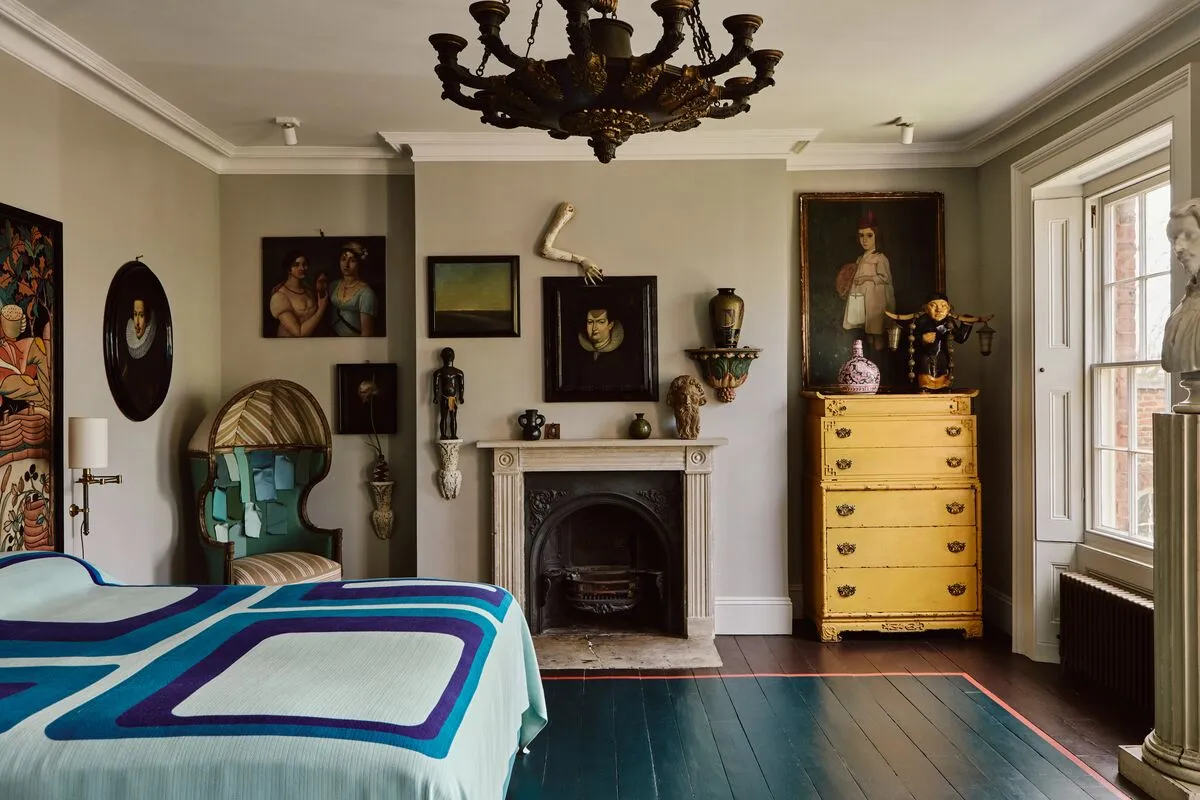
Exquisite interior design and environmental responsibility don't have to be mutually exclusive. You can achieve a beautiful home while mindfully reducing its environmental impact.
What is sustainable interior design?
Exquisite interior design and environmental responsibility don't have to be mutually exclusive; you can achieve a beautiful home while mindfully reducing its environmental impact. Sustainable interior design is about enriching interior spaces and being eco-conscious at the same time, an enduring philosophy that respects nature, enhances wellbeing and offers timeless elegance.
Sustainable practices revolve around key principles including waste reduction, improving energy efficiency and using materials with a long lifespan, placing a firm focus on eco-friendly design and the quality of life of a home's occupants, aiming to improve our present and help secure our planet's future. Like the fashion world, the interior design industry has recognised it must change its ways; sustainable practices are fast becoming the norm in residential and commercial spaces alike, not passing trends but the way forward.
Why does sustainability matter?
Research shows many conventional interior design practices have had a detrimental impact on our environment, with high carbon emissions and energy consumption, huge amounts of waste and harmful chemicals reducing air quality, and the list goes on, the damage extensive. Today we're armed with better knowledge and awareness, recognising that reducing our carbon footprint, improving air quality and being energy efficient are just some of the positive actions we can take, so designers can seize opportunities to create eco-friendly homes using energy-saving designs and responsibly sourced materials.
What are sustainable materials for interior design?
To create a more sustainable home, you need to consider multiple aspects, and an important one is the materials you use; step away from harmful, wasteful, non-recyclable products and opt for items made from responsibly sourced natural materials. Single-use products be gone: sustainable materials are chosen for their entire lifecycle, from raw sourcing to end-of-life recyclability, ensuring durability and reducing landfill waste.
Natural or eco-friendly paints: traditional paints include VOCs and are solvent-based, emitting toxic fumes that reduce indoor air quality for many years, so opt for water-based, low-VOC or natural paints. Mylands paints are water-based and ultra-low in VOCs (0.1-0.29%), using rich, natural earth pigments, and our multi-surface plant-based, natural paint is a non-toxic option, high-quality yet low-emission and kinder to both people and planet.
Eco-friendly materials
Sustainable designers lean towards reclaimed woods, FSC-certified timber, recycled textiles and responsibly sourced natural materials. Bamboo: lightweight yet strong and durable, ideal for furniture and décor, it grows rapidly so it can be produced quickly using sustainable practices, a renewable, stylish and attractive resource. Reclaimed wood: a popular option, sourced from old buildings and given new life, so what was once a barn door could become wooden flooring, and better still it stops other trees being cut down.
Recycled glass: the bottles and jars you put out for recycling could be repurposed into a countertop, glass tiles or a decorative feature. Organic cotton: synthetic fabrics don't biodegrade and end up in landfill, whereas natural textiles like organic cotton, wool, hemp or jute break down naturally, and organic cotton uses no chemical fertilisers or pesticides.
How do you implement sustainability in an interior design project?
You need to adopt an eco-conscious mindset from the very start of a renovation or new build, informing your decisions every step of the way, from planning and design to construction and decoration.
Energy-saving technology: green building focuses on reducing electricity and energy consumption, so look into renewable sources like solar panels, maximise natural light to reduce reliance on artificial lighting, and switch to longer-lasting, energy-saving LEDs. Enhance indoor quality: create an ambient atmosphere, finding ways to bring in more natural light such as large windows, high ceilings and roof lanterns, considering heating, ventilation and air conditioning during design, and using materials that improve air quality, think low-VOC and breathable paints, low-emission adhesives and products with minimal toxins.
Embrace biophilic design: integrate natural elements to improve health and wellbeing, as simple as bringing the outside in with houseplants, and using natural materials like wood and stone to amplify that ethos. Shop local: turn to local craftspeople and businesses before shipping goods across the world, reducing your carbon footprint and supporting your local economy and independent businesses. All our paints are proudly crafted at our London factory in Lambeth, reflecting our commitment to quality, sustainability and local production.
Reduce waste: reuse or recycle materials wherever possible, whether surplus fabric, offcuts of wood or leftover paint. Mis-tints and over-runs are a natural part of paint production, but at Mylands we give them a second life; our Upcycled Collection transforms these excesses into elegant, usable shades, proving waste can be reimagined as something beautiful.
Instead of low-cost, short-term items, invest in timeless designs that offer durability and longevity, and consider disassembly and adaptability too, since modular furniture with both form and function allows easy upgrades over time, reducing the need to replace whole pieces. All our paints are made to order, helping minimise waste from overproduction and ensuring each batch is crafted with purpose. Look out for certified frameworks: support businesses with recognised sustainability certifications, since frameworks like Planet Mark, B Corp and FSC are marks of eco-consciousness.
Mylands' commitment to sustainability
"Beautiful paints made for a beautiful planet, that's the Mylands way," says Dominic Myland, CEO. At Mylands, we understand the importance of preserving our planet's natural resources and minimising our carbon footprint, which is why we carefully select our raw materials and use responsible manufacturing to make our paints as eco-friendly as possible. We're making continuous improvements and moving towards eco-friendly living, our commitment to sustainability deep-rooted and hugely important to us.
Mylands recently achieved Planet Mark certification, committing to measuring, reducing and reporting carbon emissions across scopes. "Mylands is proud to be Planet Mark Certified. It's an exciting achievement that shows our commitment to sustainability within the paint industry. This internationally recognised certification is the first step towards our goal of reaching net zero." - Dominic Myland, CEO. Learn more about our commitment to the environment.