The journal
Jinny Blom's Interview: A Palette Inspired by Nature
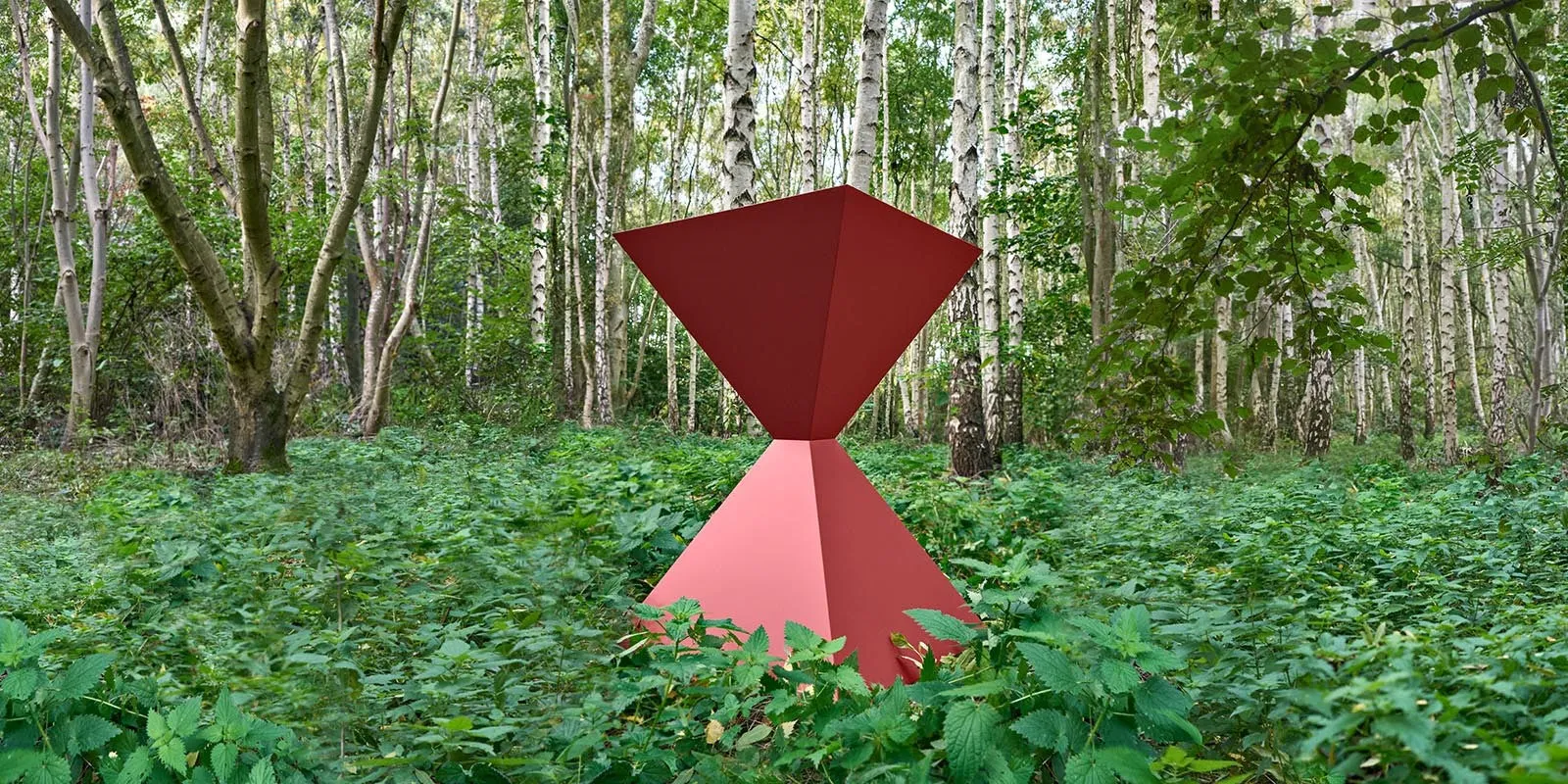
Created with leading British landscape gardener Jinny Blom, the collection is a set of 12 colours drawing on Jinny's own experience of the outdoors, her special bond with nature and her rare talent for landscaping gardens with a natural feel.
The Mylands x Jinny Blom collection features 12 tones, inspired by Jinny's own experience of the outdoors, her special bond with nature and her rare talent for landscaping gardens with a natural feel. Blom launched her London-based landscape design practice in 2000 and has since created gardens and large estates all over the world, designing several Chelsea Flower Show gardens and winning Gold in 2007.
In conversation with Jinny Blom
When and how did you decide to become a landscape gardener?
I'd reached a plateau in my previous career as a psychologist and felt drawn to landscaping, as I felt it made the greatest impact on how we can improve our health, the health of those around us and the world in general.
How would you define your landscaping style?
Adaptable. Landscape design is all about circumstance.
How do you approach colour when starting a project?
Colours are typically drawn from the land and the local materiality. In a city there's a lot of freedom, yet in the wider countryside, wherever on earth it might be, it's definitely driven by the tonality of the landscape and the weather.
What are your first steps when conceptualising a garden?
Consider what's already there and what its value is. On one project, for example, the most valuable item was a very old, gnarled fruit tree with the most amazing shape, smothered in lichen; it shaped a great deal of the design because of its fragility and age, so it's now a focal point in a new garden.
Do you always start with the same plant?
No, never, every garden is completely different in texture and mood, so the plants change considerably with each circumstance. That's what makes creating gardens so exciting.
What has been your most memorable project to date?
I don't usually have favourites, but working in Kenya's Rift Valley was amazing, a huge conservation project. I'd never seen elephants, giraffes, zebras and lions up close before. Humbling.
How far ahead do you work when designing a new garden, and how much planning time do you take?
It takes a calendar year to design a garden, and often several months, or years, to build one, after which they take three to five years to really settle into their skin.
What's important about designing a garden to be enjoyed all year round?
It's important to track the movement of the sun and create places, in sun or shade, that are comfortable to be in; this often informs how a design develops, and beyond that there's the pleasure of finding plants for every season, since in the UK there's never a month without something blooming.
You often work in expansive spaces, but how do you approach smaller ones, and what do you advise for people starting a small garden at home?
I have a relatively small garden myself, so this is close to me. It's important to make the most of every centimetre; my top tip is don't waste space on lawn.
How do you take nature and wildlife into consideration when designing?
Wildlife is at the heart of all our work, and honestly it would be a bad garden if it didn't make provision for other species.
You've designed several therapeutic and healing garden spaces; what should a garden integrate to have healing power?
At a basic level, a therapeutic garden needs to understand who will use it. If it's people with physical health issues, it needs to allow easy access for hospital beds and wheelchairs, and people need to sit comfortably and safely; a sense of protection and security is paramount for those who feel vulnerable, and water is always nice as it draws wildlife in.
About the collection
What made you want to do a colour collection, and how did you come to create one for the outdoors?
I was struggling to find the colours I need for outside. In the Mediterranean there are clear, well-known palettes, yet they don't always work for the soft light and watery skies of the British Isles, and I also wanted paints with high pigment levels and a beautiful solid quality, like a gouache. So I developed the idea that if you can't find what you want, you should make it.
Was Blomster JB.01 the first colour created, with the collection built around it?
Perhaps it was. I knew I wanted a very specific red, and that's exactly what Blomster JB.01 is. I was warned against red several times, yet I love it in a landscape setting, either as an accent or as a whole building, a wonderful spark of life.
What was the most challenging part of developing the collection?
In some ways creating the colours was the easy part; the harder aspect was finding a way to make them real. I definitely wanted these to be a genuine colour collection, and thankfully Dominic Myland was open to it, and the rest fell into place beautifully.
"Colour is a particular love of mine, and I'd long wanted to create my own palette, as there are certain tones I need again and again to support my landscape designs. Mylands has an exceptional understanding of colour as a mood-altering background, so in that we share a common language. The paint quality is second to none." - Jinny Blom.
Jinny Blom's expert advice on combining colours
Which are your favourite colours from the collection?
I love Cragside JB.10 and Cooper's Earth JB.05 together. Cooper's Earth JB.05 is the best replacement for white on masonry; I use it all the time now it's a real paint and not just in my imagination.
What's the best way to combine the collection's tones?
Play with the colours, they're all compatible and work well together or alone. For example, I've just painted my garden house in France with Rain JB.03, a lovely soft blue that marries well with the natural lime mortar on the building, and I've just combined Murmuration JB.11 and Grail JB.02 on some new architectural ironwork, which I think pair well.