The journal
Introducing Mylands' New Plant-Based Olive Stone Emulsion Paint
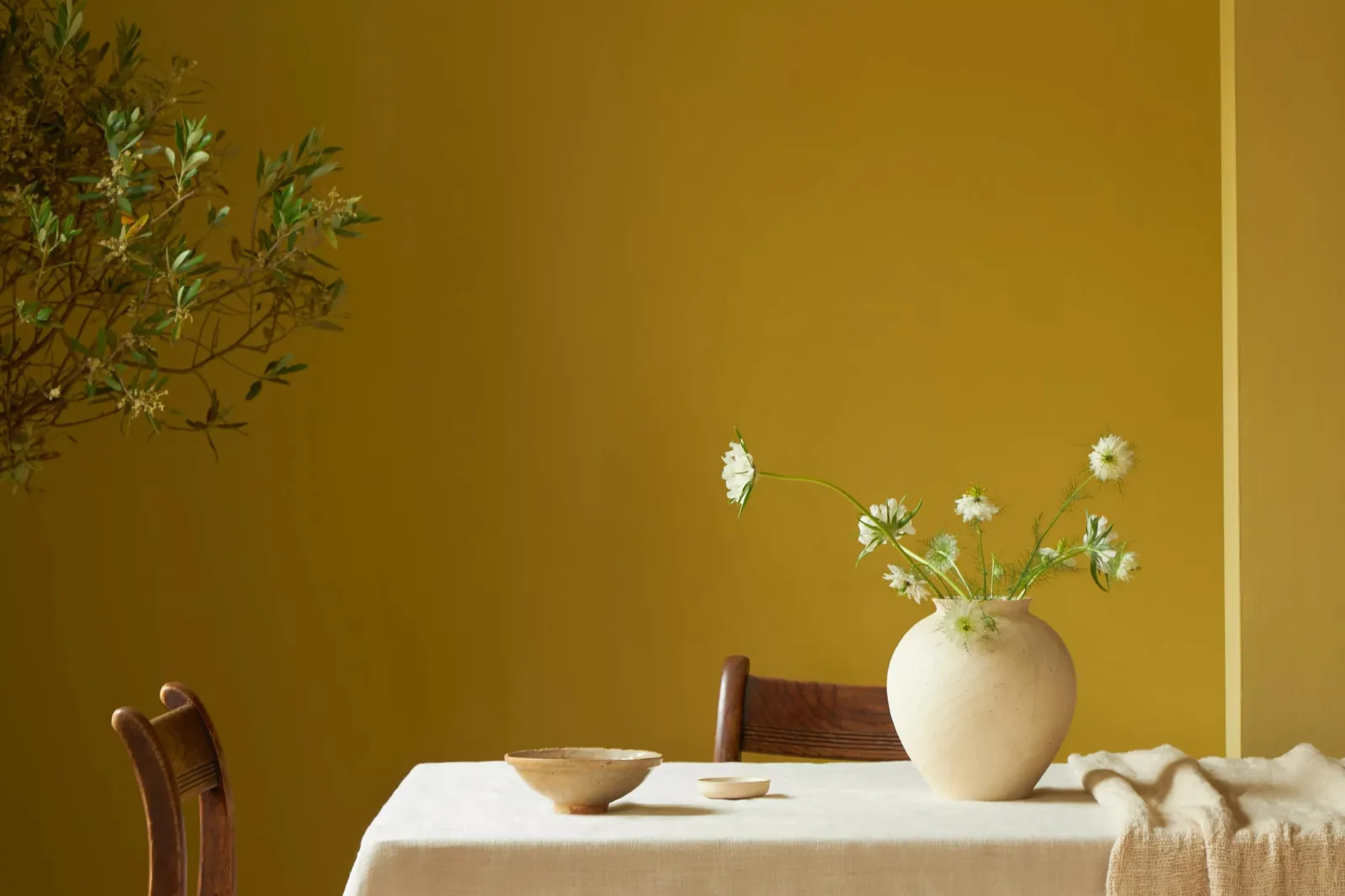
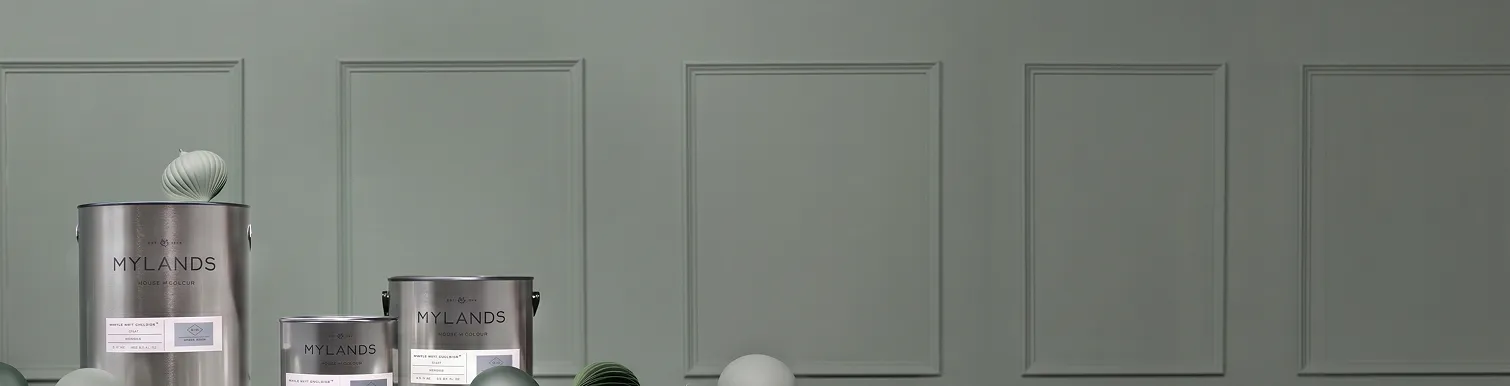
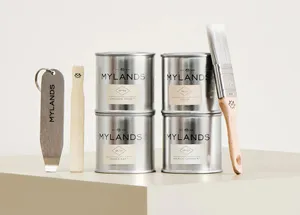
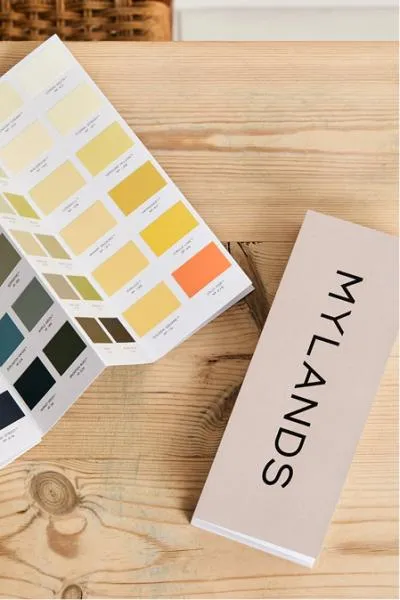
Mylands makes natural, non-toxic paints in over 200 colours. Our new Olive Stone Emulsion is made with crushed olive stones from the olive oil industry: water-based, low in VOCs and kind to you, your family and the environment.
An olive stone is what is left once the fruit has given up its oil: hard, fibrous and produced in enormous quantities wherever olives are pressed. Since 2023 we have been crushing it and putting it in paint. Olive Stone Emulsion takes that by-product of the olive oil industry, grinds it fine and uses it as the filler that gives the paint its body and its dead matt surface, in place of the synthetic filler that does the same job in a conventional tin.
What an olive stone is doing in a tin of paint
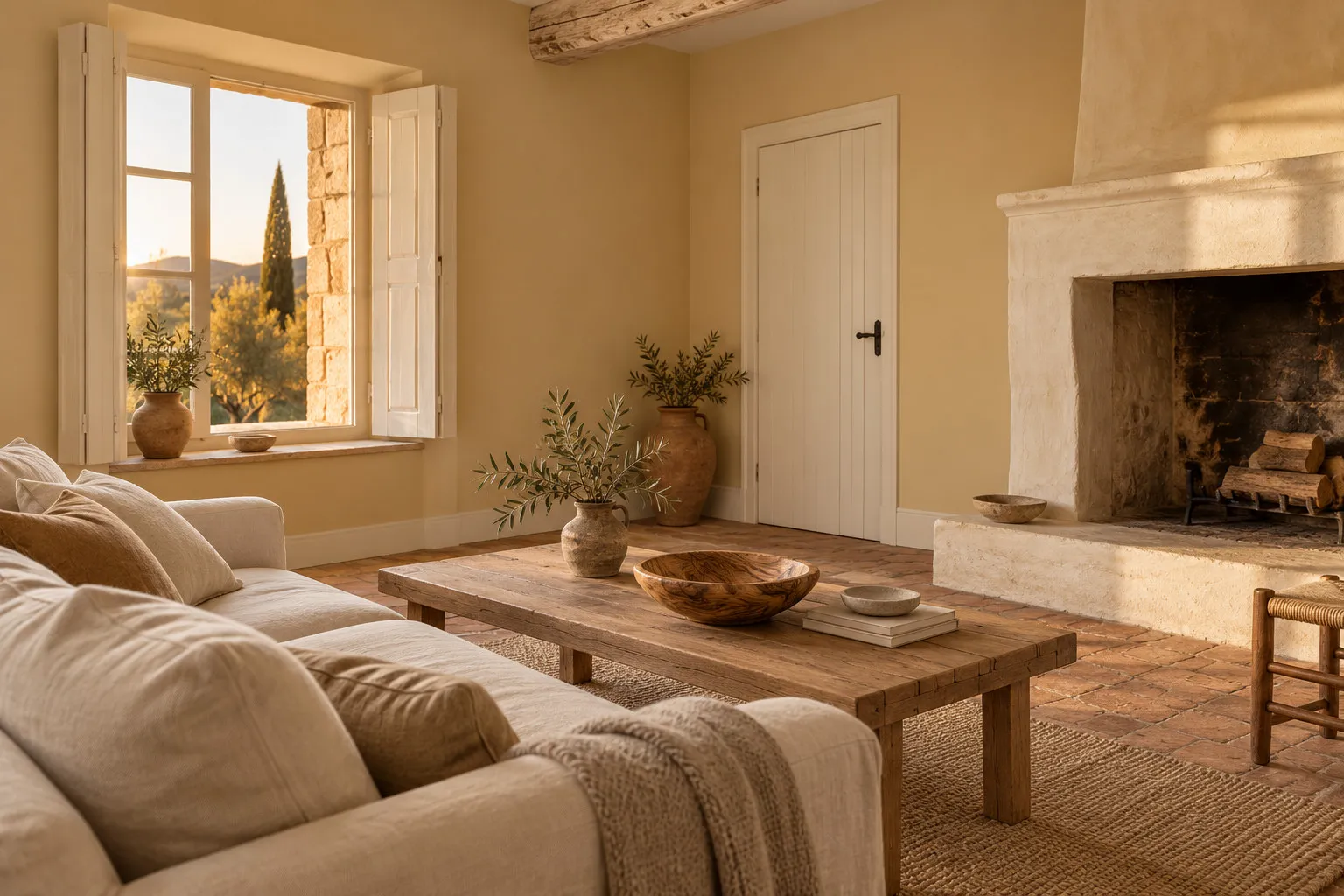
Every paint needs a filler, the fine solid that gives it body and much of the character of its finish, and most conventional paint uses a synthetic one. We have spent a long time looking instead at what other industries throw away. Our signature Marble Matt Emulsion is made with crushed Carrara marble, a by-product of the Italian marble trade; Olive Stone Emulsion applies the same thinking to the stones left behind by the olive harvest, for a beautiful dead matt finish with less waste behind it.
It is not a novelty ingredient bolted onto an existing formula. We were early pioneers of plant-based, multi-surface paints, developed through the 2010s with natural fillers and a high bio-carbon content as a true alternative to traditional petroleum-based acrylics, and Olive Stone Emulsion is the next step in that work.
Twelve years of taking things out
Reformulating a paint is mostly subtraction, and it is slow. We worked for twelve years to reduce the chemicals and microplastics in our paints, and the plant-based ranges are what came out at the end of it. Conventional paint can still carry VOCs, microplastics, vinyl resins, solvents, formaldehyde and preservatives; ours are water-based, made with plant-based resins, ethically sourced oils, natural clay fillers and natural earth pigments wherever we can use them.
What it changes for the person holding the brush
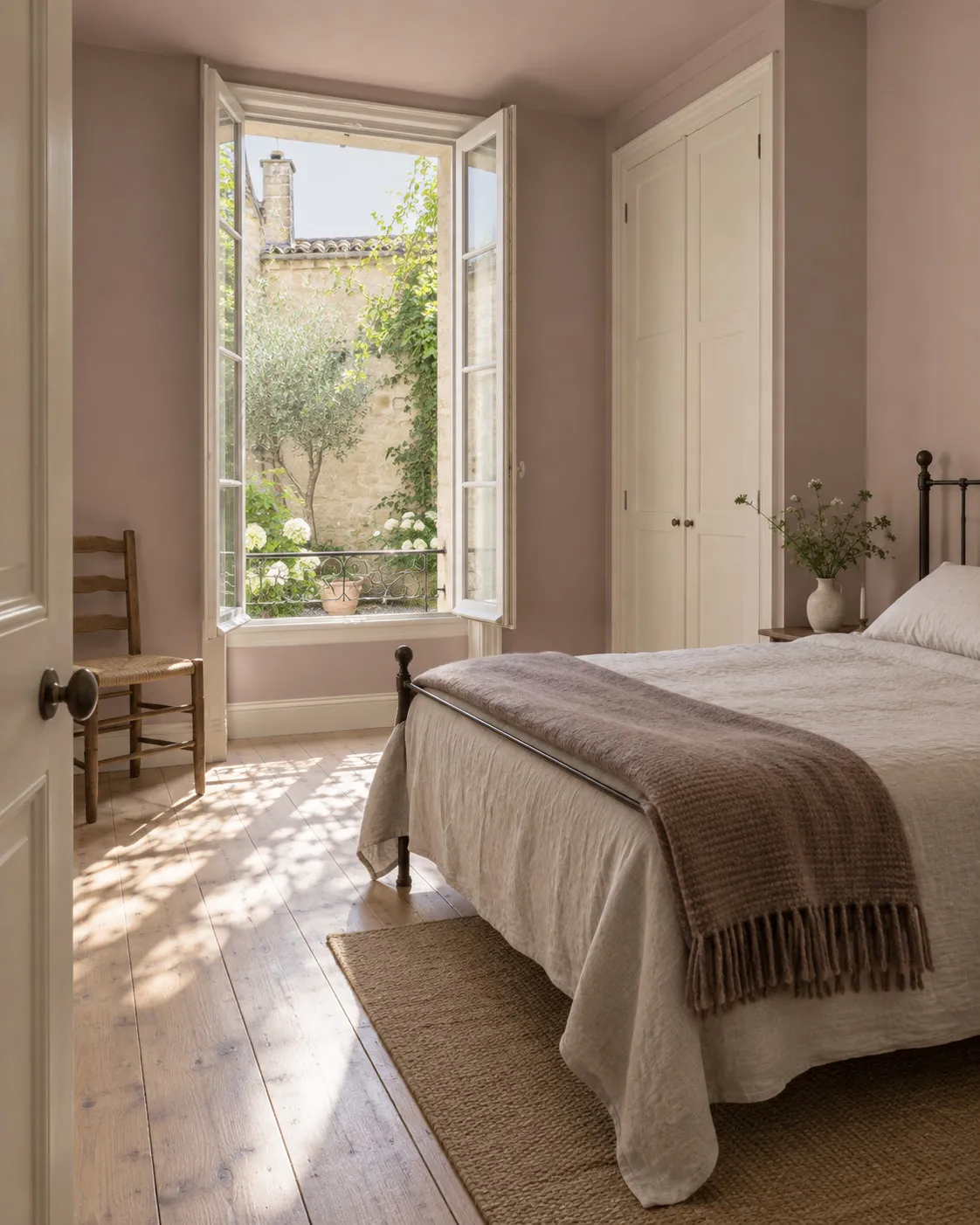
Our entire range is water-based and ultra-low in VOCs, at 0.1 to 0.29%, so there is very little of the chemical smell that used to hang about a freshly painted bedroom for days. Brushes and rollers wash out under the tap rather than in white spirit. And the air in the room afterwards is not carrying the emissions that make conventional paint hard going for anyone in the house with asthma or allergies.
Walls that can still breathe
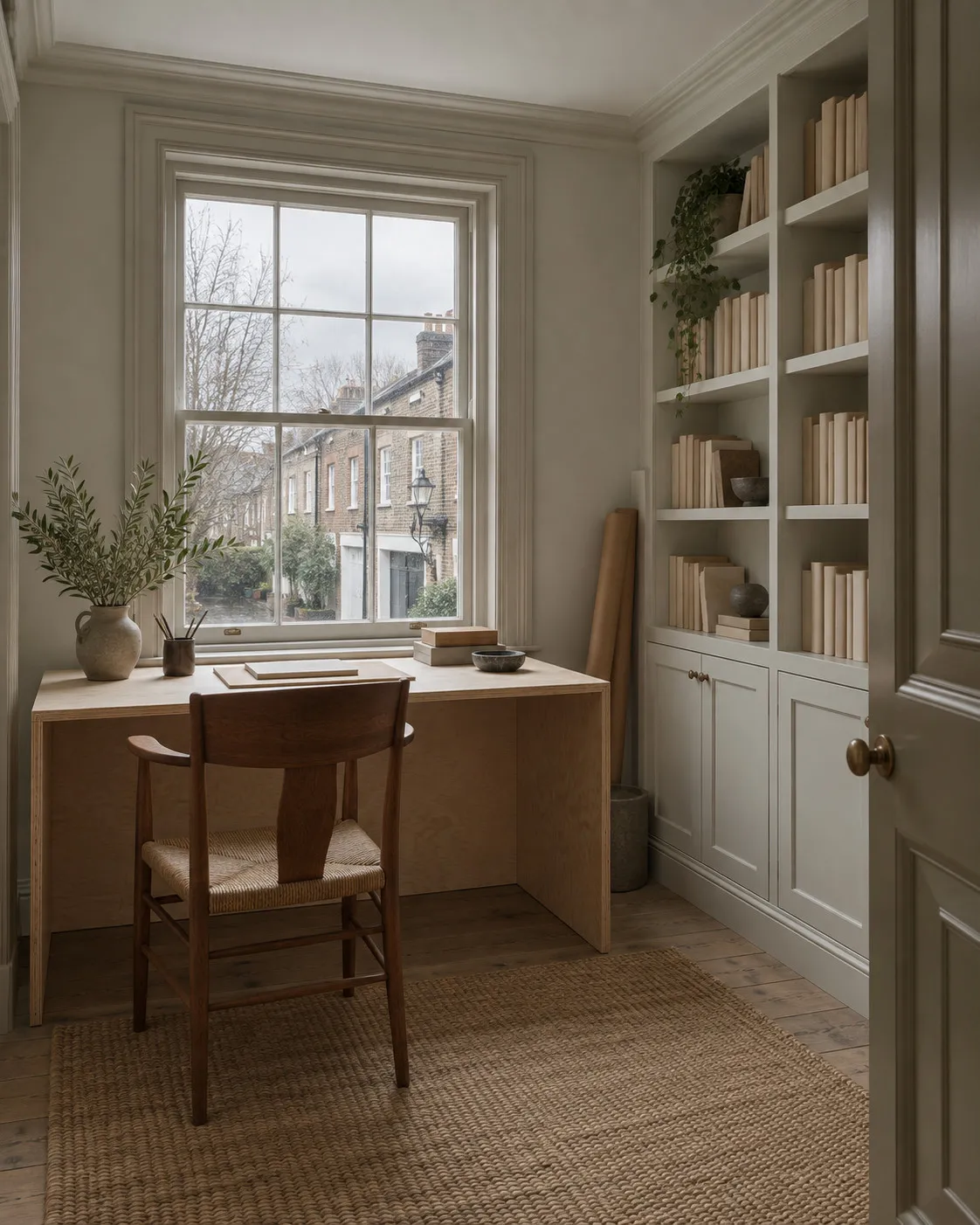
Our natural paints are breathable, letting moisture escape from the wall rather than sealing it behind a film, which matters more than people expect: trapped damp is what lifts and cracks paint, and it is what brings mould to a cold corner. They are washable, easy to apply and suited to every wall type we are usually asked about, lime plaster, clay plaster, gypsum, cement and brickwork included, as well as decorative work such as panelling and cornices.
Where it sits in the plant-based range
Olive Stone Emulsion joins our Plant-Based Multi-Surface Paint, which uses plant-based fillers and a plant-based resin with an impressive 56% bio-based content and comes in four finishes, Dead Matt at 5% sheen, Eggshell at 15%, Satin at 40% and Gloss at 85%, for wood, MDF, metal, plastic, tile, masonry, plaster and uPVC, inside and out. Underneath it all sits Plant-Based Wall Primer, for freshly plastered walls and ceilings. Every one of them is mixed to order at our London factory, in over 200 colours.
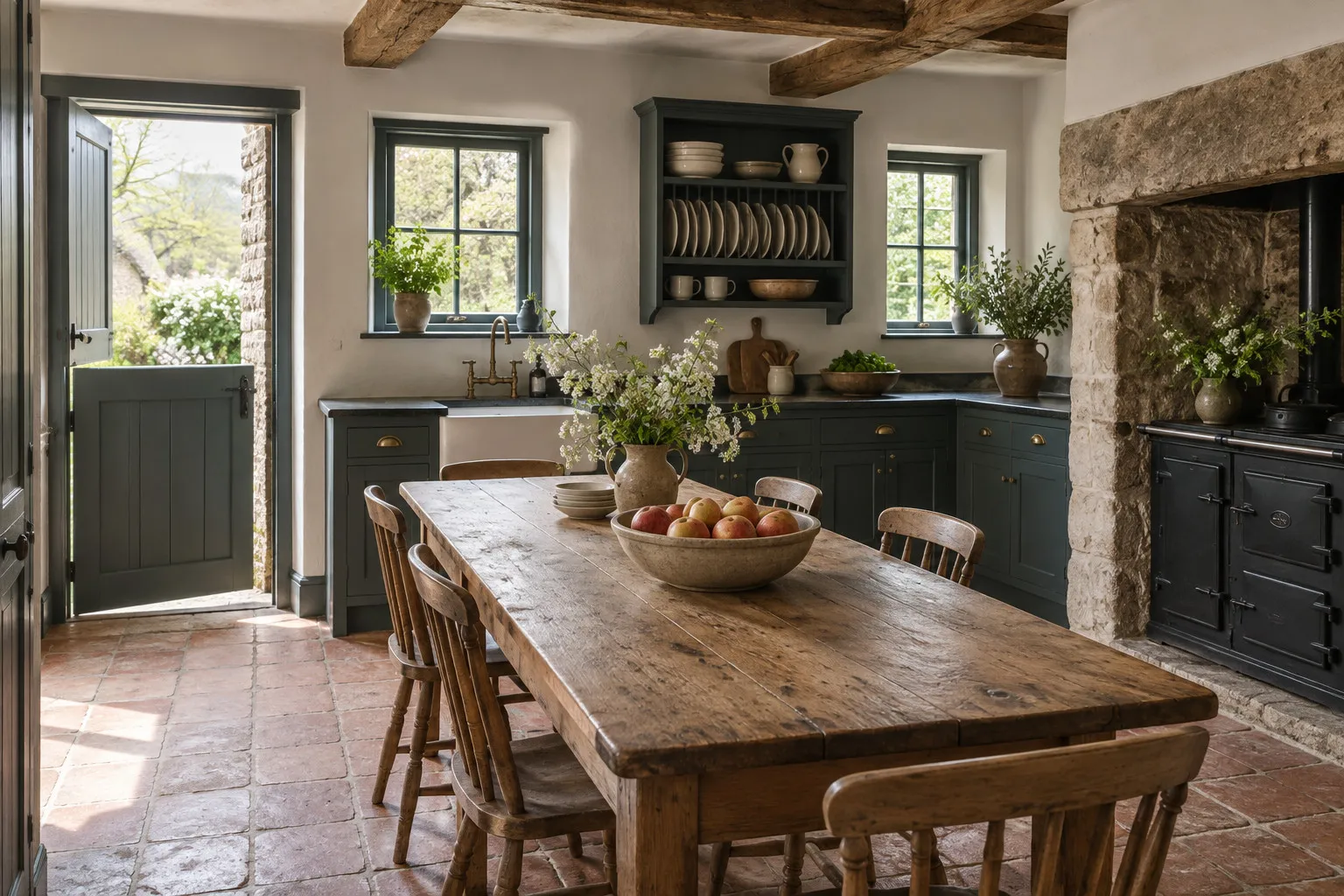
If you are repainting a room you sleep in, or one a child sleeps in, the argument for a plant-based emulsion comes down to a sentence: the same depth of colour, and far less of it left in the air afterwards. Pick the colour you keep going back to, paint a generous patch on the wall it is actually destined for, and give it a full day of changing light before you commit.