The journal
What Is Eco-Friendly Paint? Everything You Should Know About It
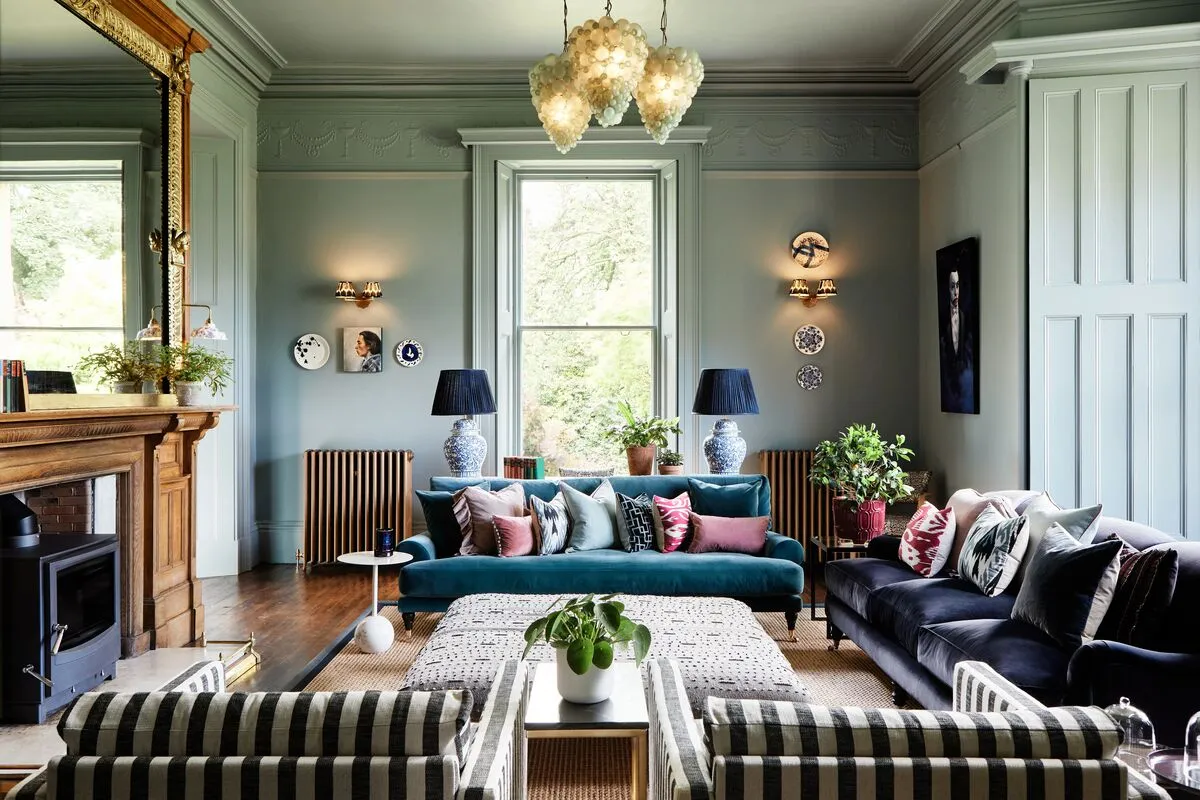
When choosing paint, finding the right colour is probably your first priority, but thinking about the product's contents and environmental impact really matters too. With more focus than ever on our fragile planet, it's important to find more ways to make environmentally friendly choices.
But what is eco-friendly paint, why should we choose it, and which eco credentials should you look for? We'll help you understand the benefits of eco and natural paints and the questions to ask a paint company before you buy, so next time you refresh a room with a lick of paint you can make an informed choice.
What's the difference between conventional and eco-friendly paint?
Simply put, eco-friendly paint should be made of sustainable, natural ingredients, manufactured ethically and more kindly to the environment (think emissions and carbon footprint), and it should contribute positively to air quality. Conventional paints tend to be oil-based, so you need chemicals like white spirit to clean brushes and rollers, whereas water-based paint washes off tools more easily, is less synthetic and generally kinder to the environment.
The ingredients on conventional paints may include plastics or microplastics, vinyl resins, synthetic dyes, chemicals, acrylics, preservatives, solvents, formaldehyde, ammonia and other toxic components, while eco-friendly paint should contain natural raw materials, low levels of VOCs, and be solvent-free and plastic-free.
What is eco-friendly paint made of?
You'll find natural ingredients such as chalk, clay and plant oils, in clay paint, mineral paint or plant-based paint for example, and for colouring, plant dyes make an environmentally friendly alternative to chemical versions, with wonderful plant-based alternatives to traditional synthetic fillers and pigments. Non-toxic paint contains natural raw materials rather than manmade ones.
What are the benefits of eco-friendly paint?
Better air quality:
conventional paints contain high levels of VOCs, which release chemical gases into the air that are potentially hazardous, particularly for vulnerable people with asthma and allergies, so low- or zero-VOC paint is better for our health and the environment. Breathable paints also improve air quality, using natural ingredients and letting moisture escape from the walls; traditional paints can create a plastic barrier that prevents air movement, causing mould and fungus that can affect the respiratory system when breathed in.
Lower carbon footprint:
environmentally focused manufacturers are aware of their products' carbon footprint, sourcing ingredients and manufacturing closer to home to avoid transport miles, with lower-carbon processes too.
High-quality product:
eco-friendly paint has minimal environmental impact but still delivers maximum impact in your home, since natural pigments are colour-rich and create remarkable depth; natural paints come in a range of finishes too, matt, gloss, satin, eggshell, that shift with the daylight, remain incredibly long-lasting (reducing the need to repaint) and are washable, with impressive coverage that may mean one coat is enough.
Lower environmental impact:
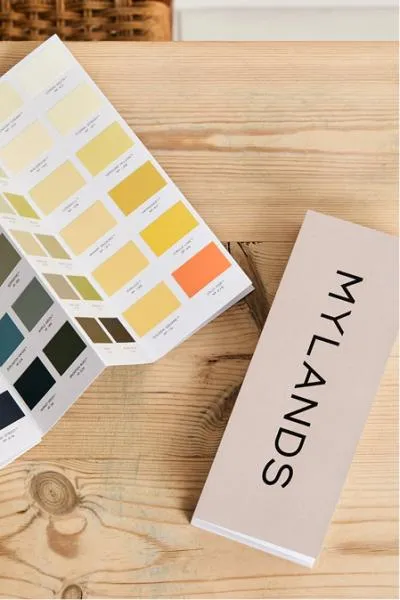
brands that adopt eco-friendly practices, recycling tins, minimising waste, lowering emissions and reducing chemicals and microplastics, are far more sustainable than conventional manufacturers. Did you know Mylands' signature Marble Matt Emulsion uses real crushed Carrara marble instead of synthetic fillers, and the Plant-Based Multi-Surface paints use plant-based fillers with plant-based resin, boasting an impressive 56% bio-based content, a great choice for those prioritising sustainability?
Easy to clean:
choose a high-quality paint like Mylands and it washes off tools with water, whereas other paints need chemicals like white spirit or turpentine that harm the environment, and the wall paint itself is easy to clean, staying good-looking for longer.
Range of uses:
you might assume eco-friendly paint is niche with limited uses, but not so, whether you need wall paint, masonry paint, exterior paint, metal or woodwork paint, eco-friendly options are available.
Five things to check when buying paint
Brands that prioritise sustainability are transparent about their ingredients and practices, so check labels and websites to assess their eco credentials: what does it contain (check the ingredients); is it breathable; what's the VOC content (look for low- or zero-VOC); what's the quality and durability (high-quality, long-lasting paint is better all round); and what's its carbon impact (find out where and how it's made).
Discover how Mylands is using innovative techniques and ingredients that are better for the environment.