The journal
Wood Panelling
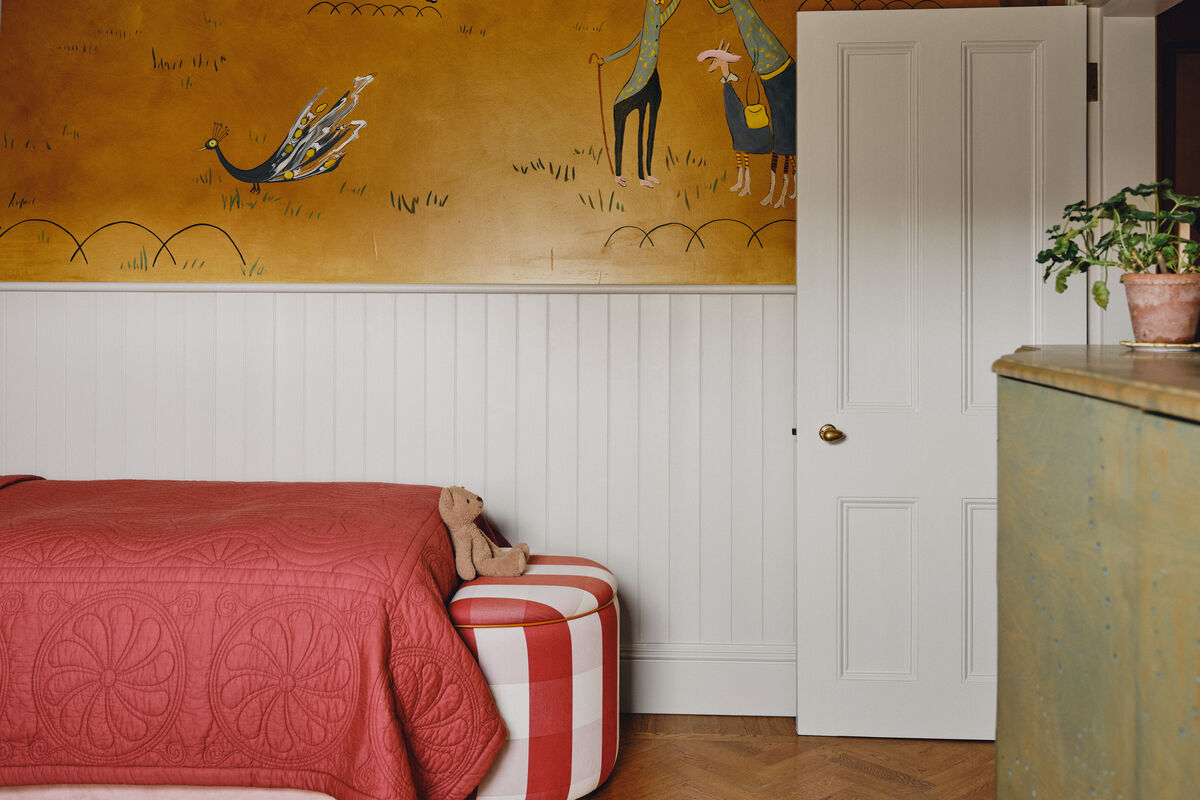
There's a renewed appreciation for interiors that feel composed rather than decorated, spaces shaped by material, light, texture and a sense of presence. In this shift, wood panelling has firmly re-established itself as one of the most influential design features of 2026, both inside and out; once considered a more traditional detail, its design has evolved into a versatile architectural element used across modern homes. Here we explore the key trends shaping wood panelling, alongside our range of finishes and colour options that define the final look.
Why is wood panelling trending again?
Design has shifted away from flat, minimal spaces towards environments that offer depth and material contrast, and wood panelling plays a central role in this movement, adding structure, warmth and visual rhythm to otherwise simple rooms and outdoor spaces.
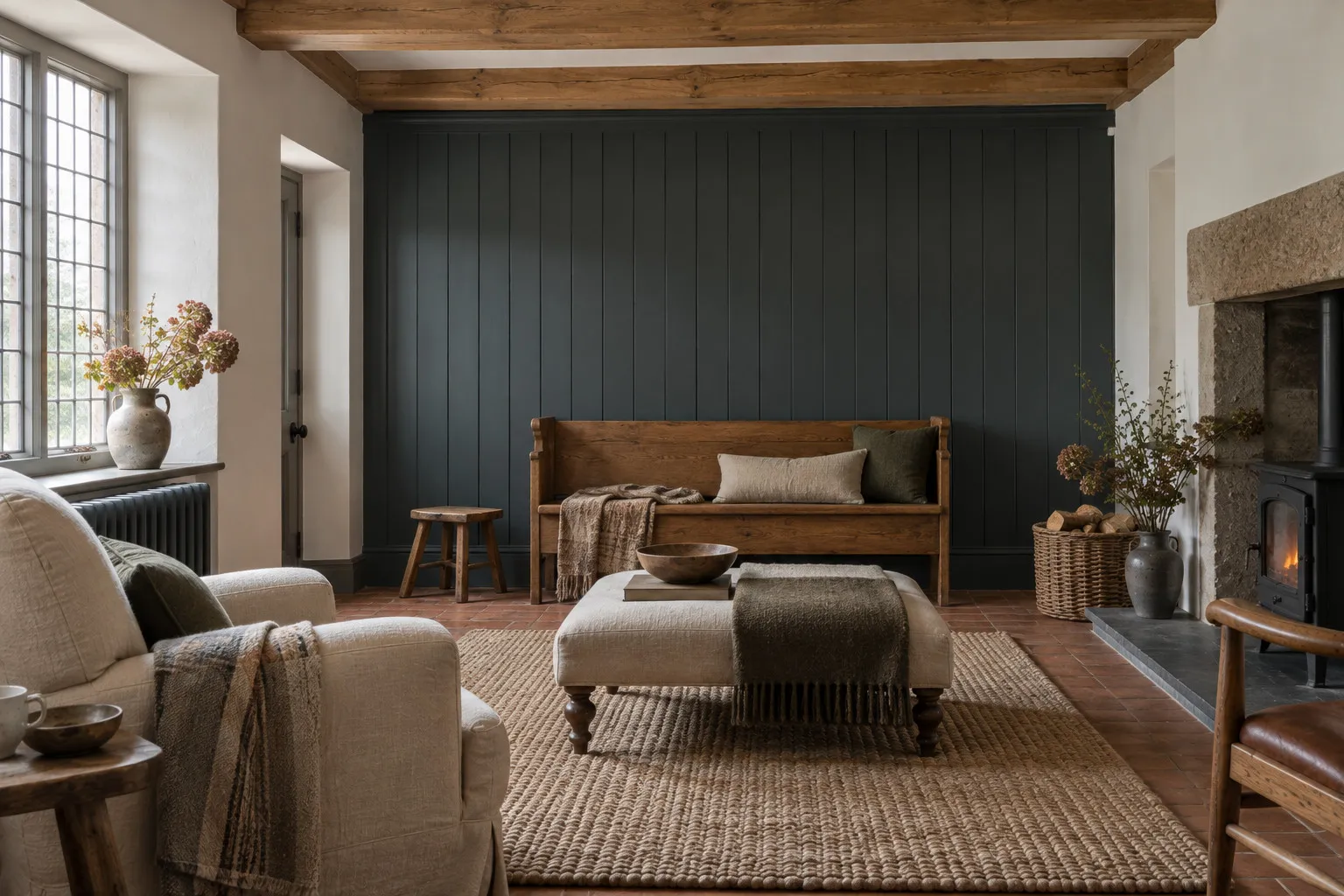
A return to craft and material
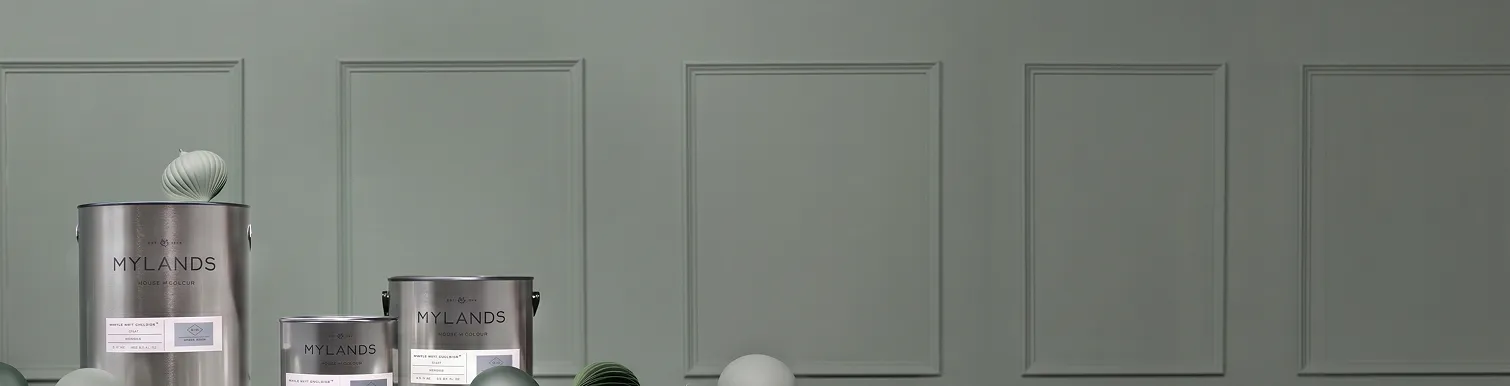
At the head of this is a renewed appreciation for craftsmanship, with the focus moving towards finishes, paints and colours that celebrate the inherent qualities of the timber rather than concealing them. Wood panelling introduces a subtle architectural rhythm, bringing structure without excess; whether used across a full wall, alcoves, joinery or even garden features, it lends a more composed, balanced quality.
The role of the finish
While form establishes the structure, it's the finish that ultimately defines the character of the panelling. Our range of waxes and hard oils is designed to enhance, protect and refine without masking the natural beauty of the wood.
Hard oils offer a durable, low-sheen finish that penetrates the surface, enriching the tone and drawing out the grain, ideal for both walls and high-contact areas, providing a practical yet elegant solution that maintains a natural, tactile quality. Waxes, by contrast, introduce a softer, more nuanced finish, lending a gentle lustre to the surface, deepening the colour while preserving a breathable, authentic feel, and particularly suited to spaces where atmosphere is key, creating a sense of quiet luxury. Both options come in a considered palette of woody tones, from pale, understated neutrals to deeper, more grounded hues.
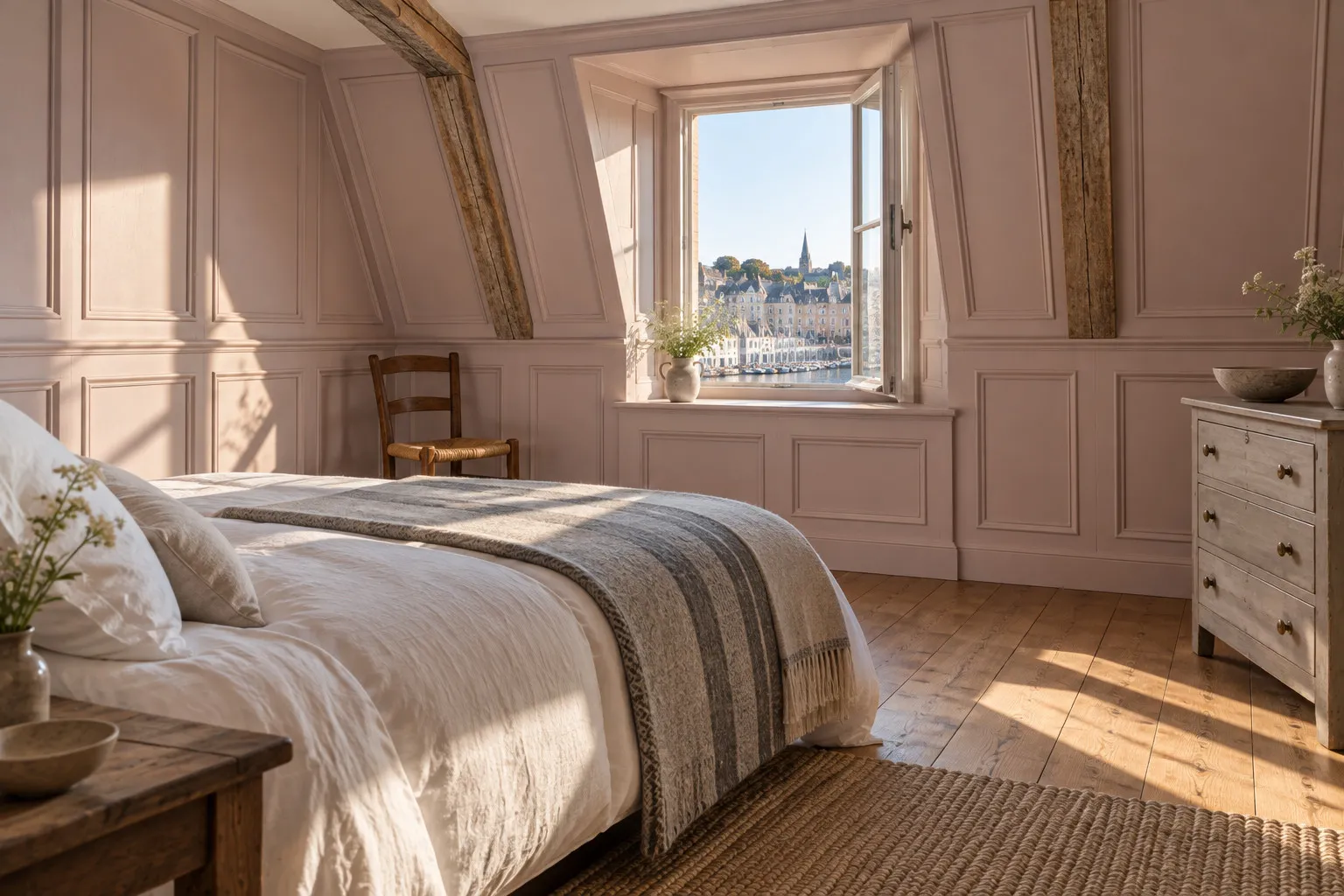
Colour and depth
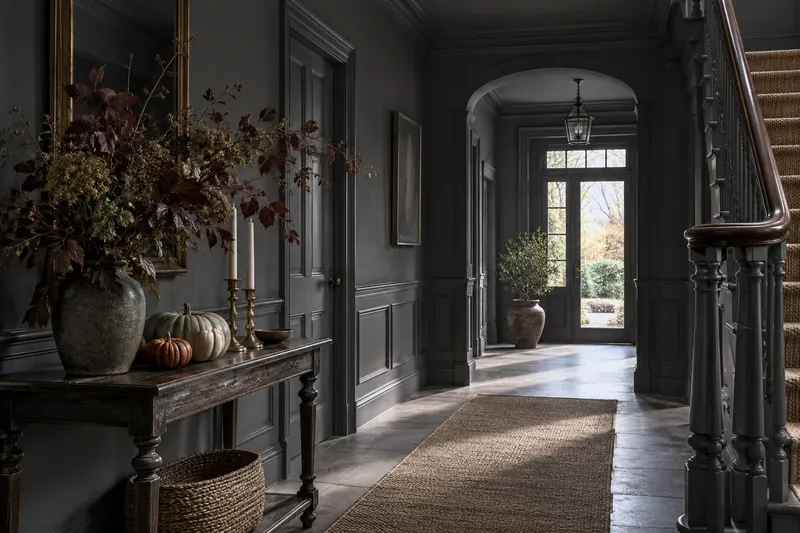
Alongside natural finishes, colour continues to play an important role; deeper shades emphasise the architectural quality of panelling, adding contrast and grounding, and rather than sitting on the surface, these tones work with the texture of the wood, absorbing and reflecting light in a way that enhances depth and dimension, for a finish that feels layered, considered and quietly impactful. For a lighter approach, muted neutrals and chalky off-whites offer a more understated expression, letting the form of the panelling remain the focus while still introducing warmth and softness. Whether natural or coloured, the interplay between tone, finish and material is what ultimately defines the effect.
The final result
The final effect is where all elements come together: tone, texture and finish working in harmony. Wood panelling takes on a new depth when treated with care, shifting subtly with the light and lending a quiet structure to a space; whether left natural or enhanced with colour, the result is always considered, layered, tactile and enduringly refined.