

Help with woodcare Wood by wood

Finishing oak: from honey to grey, without betraying it

Oak is the most rewarding wood to finish: its open pores drink a hard wax oil, its tannins take a stain with depth, and its grain reads under every finish. On a floor, Hard Wax Oil Natural keeps the honey, Crushed Marble pales it, Pale Slate greys it; under Mylac Matt, a grain filler gives the smooth film. On furniture, Button Polish warms it, Wax Liming limes the grain, Light Fast Stain Dark Oak darkens it in 10 to 15 minutes before the top coat. Two things are forbidden: standing water and wet steel, which blacken its tannins.

Page updated September 2026 · by the Mylands France woodcare specialists

What to know

An open-pored wood, rich in tannins

Three things set oak apart. Its pores are open: the grain can be seen and felt under the finger, which is the beauty of an oil or a limed finish, but means filling the grain under a smooth varnish. It is rich in tannins: they give depth to a stain, but blacken on contact with water and iron — a nail, wet wire wool, a pot left on a puddle. Its colour runs from honey to grey with the cut, the age and the finish: new oak under a clear oil is blond; under a grey tint, it looks a hundred years older.

Oak is sanded through the grits, stopping at 120 to 150 for a floor and 180 for furniture under an oil, and at 220 only under a varnish after grain filling. The rest of the preparation is in Preparing woodwork, reading the wood in Understanding wood before finishing.

Six looks

Six ways to finish oak

01

1. The blond floor, oiled

A wide-board floor in new oak in a light sitting room. Hard Wax Oil Natural, two thin coats 24 hours apart, keeps the honey colour and leaves the grain under the hand; touch-dry in 6 to 8 hours, walkable after 24 hours, hard in 7 to 10 days. A scratch is repaired locally.
02

2. The worktop, in oil

A solid oak worktop, inset sink, a chopping board resting on it. Wood Finishing Oil, tung-based, in three coats 12 to 18 hours apart, the excess wiped off after 20 minutes: the wood stays matt and warm, resists liquids, and is re-oiled every 3 to 6 months when water stops beading.

03

3. The old table, French polished

An oak farmhouse table, worn top, in a dining room. Button Polish with a rubber, in three stages — bodying-in, bodying-up, spiriting-off — gives that warm patina, a little lighter on oak than French Polish. Coasters are compulsory: shellac dislikes heat and alcohol.

04

4. The limed dresser

An oak dresser with panelled doors, grain opened with a brass brush, Wax Liming worked across the grain then wiped back along it: the white stays in the pores, the wood around keeps its colour. A film of Wax Clear protects it. The method: How to lime oak.

05

5. Grey oak, oiled

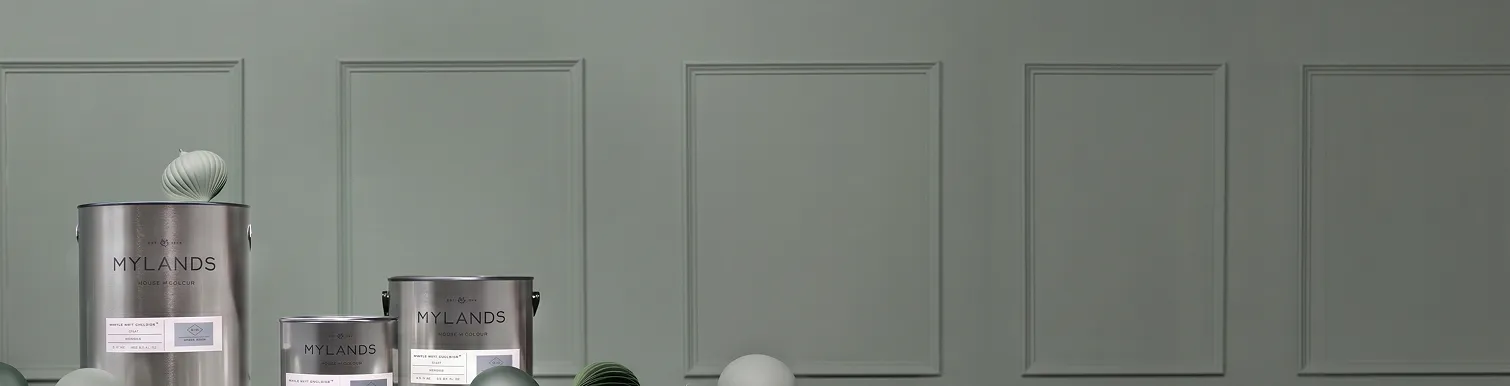
An oak staircase or floor you want grey, without paint. Hard Wax Oil Pale Slate tints and protects in one operation, two thin coats 24 hours apart; the grain comes through darker within the grey. Crushed Marble, paler, gives a whitened oak rather than a grey one.

06

6. Dark oak, stained then waxed

A bookcase in new oak you want the colour of an old piece. Light Fast Stain Dark Oak with a cloth, quick strokes along the grain, dry in 10 to 15 minutes, a second coat for depth; then Wax Dark Oak, a cool brown wax, for protection and lustre.

The choice

Which look, which product, which precaution

Oak accepts almost anything; the looks, lightest to darkest, with the product that gets it and the point to watch.

The lookThe productOn whatTo watch
Whitened, Nordic Hard Wax Oil Crushed Marble Floor, stairs, table Two thin coats; the excess wiped off at once
Limed, white in the pores Wax Liming then Wax Clear Furniture, panelling, frames Open the grain with a brush first; never on a floor
Natural blond, matt Hard Wax Oil Natural Floor, stairs, worktop, doors Sand to 120 to 150 on a floor, 180 on furniture, no finer
Natural blond, smooth film Mylac Matt or Satin Floor Grain filler then sanding to 220; 2 to 3 coats 3 to 4 hours apart; a cool dry room
Warm, patinated Button Polish Antique furniture, tables A warm dry workshop; no heat or alcohol afterwards
Grey Hard Wax Oil Pale Slate Floor, stairs Test on an offcut: the grey varies with the cut
Dark, aged Light Fast Stain Dark Oak or Earth Stain Burnt Oak, then a top coat Furniture, floor A stain does not protect: wax, shellac or lacquer over it

Every stain for oak: Oak stains. How each looks under its top coat: Choosing a wood stain.

The two moves particular to oak

Fill the pores, respect the tannins

Under a varnish or a lacquer, fill the pores. A hard wax oil lives happily in open grain; a film sinks into it and leaves a pitted surface. Before Mylac or Quick Dry Varnish, cellulose grain filler, sanding to 220 until the surface feels glass-smooth, then 2 to 3 coats 3 to 4 hours apart, de-nibbed with 220, in a cool dry room to avoid the white bloom. On an old re-sanded floor, Shellac Barrier Seal for Floors first blocks the remains of oil or wax.

Keep iron and water away from bare wood. Oak's tannins react with iron in the presence of moisture and make blue-black marks. So no wire wool before a water-based finish — its particles stay in the pores and blacken under Mylac; a synthetic abrasive pad replaces it. No wet cloth on oiled oak, no metal pot on a damp worktop. A mark already there is sanded back to clean wood, then refinished; see Scratches, white rings and water marks.

To avoid

What damages oak

  • Wire wool under a water-based finish. The steel fibres stay in the pores, the water in the varnish rusts them, and the oak fills with black specks. A synthetic pad, or wire wool under a wax only.
  • Sanding a floor to 240 before the oil. Burnished wood no longer drinks. 120 to 150 on a floor, 180 on furniture.
  • A varnish straight onto open grain. The film sinks into the pores and looks pitted; grain filler first.
  • Superfine White Polish on a table top. Meant for pale timbers, it gives a softer film: Button Polish or Special Pale Polish.
  • Waxing an oak floor. Wax is not made for floors: Mylac or Hard Wax Oil.
  • Leaving a puddle. Water raises the grain and, with the slightest trace of iron, blackens the tannins. Wipe it up at once.

Frequently asked

Your questions, our answers

Hard wax oil or Mylac on an oak floor?

Hard Wax Oil for a matt look, the grain under the hand and local repairs; Mylac for a continuous, more washable film in a hall or a kitchen, at the price of a grain filler and a finer sanding. The methods: How to oil a wooden floor and How to varnish a wooden floor.

How do I grey oak without painting it?

Hard Wax Oil Pale Slate tints and protects in one operation on a floor or a staircase. On furniture, a grey or white stain — Water Stain White, Earth Stain Chalk — then a wax or a shellac polish. Always a test on an offcut: the grey varies with the cut of the wood.

Why does my oak have black marks?

They are the tannins reacting with iron and water: a nail, wet wire wool, a metal pot on a damp surface. The mark is sanded back to clean wood, then the area is refinished. On bare wood, keep iron dry; a synthetic abrasive pad.

Does oak yellow under an oil?

Any oil warms the wood slightly by wetting it, and oak darkens in the light over time; Hard Wax Oil is UV resistant, but the wood itself changes. To stay very pale, Crushed Marble; under Mylac, which does not yellow, oak stays close to its bare colour.

Which shellac polish for an oak piece?

Button Polish: a warmer patina and a lighter colour on oak than French Polish, which is browner. For very pale oak, Superfine White Polish or Special Pale Polish, except on a table top, where the softer film of the White Polish is not suitable. The method: French polishing with shellac.

“Oak forgives almost everything, except wet iron and too fine a grit.”
Sign up to our newsletter

Sign up to our newsletter

Thanks for signing up to our newsletter!