
01
1. The bold hall: welcome
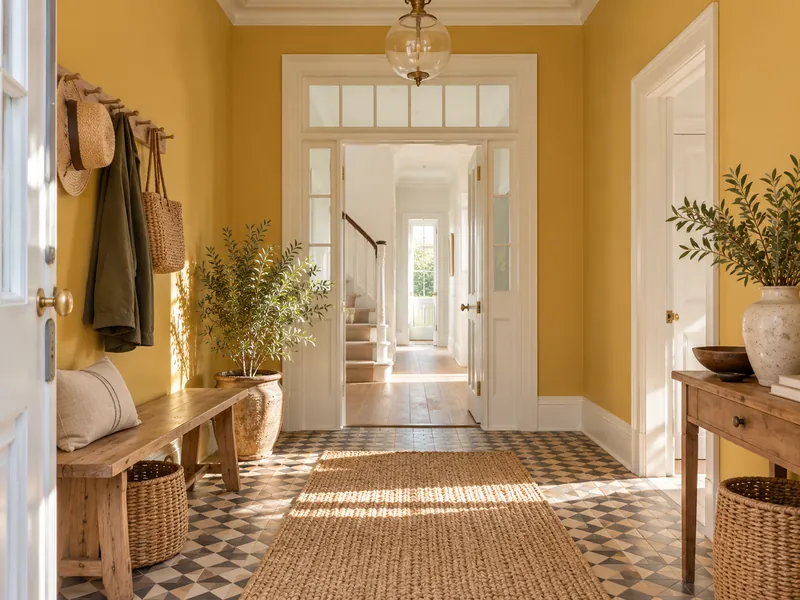
A warm, bold colour — ochre, terracotta, green — on all four walls of the hall, warm white woodwork: you've arrived. The corridor that follows takes the woodwork white on its walls.
Menu
How To
Design Advice
Customer Service
My account
Help with paint Advice by room
Transitional spaces — hall, corridor, stairs, landing — are the rooms you pass through without looking at them, and yet they are the ones that connect all the others. Paint gives them a role: a colour that welcomes in the hall, bolder than in the rooms; a corridor that leads somewhere, with a deeper end wall; stairs that climb in colour, risers or handrail; and a thread — one family of colours, or one woodwork colour — from end to end. The finishes matter as much as the colours: hands, bags, bikes and dogs pass through here. Washable Marble Matt Emulsion on the walls, Eggshell or Satin on everything that gets touched.
Page updated September 2026 · by the Mylands France colour team
Understanding
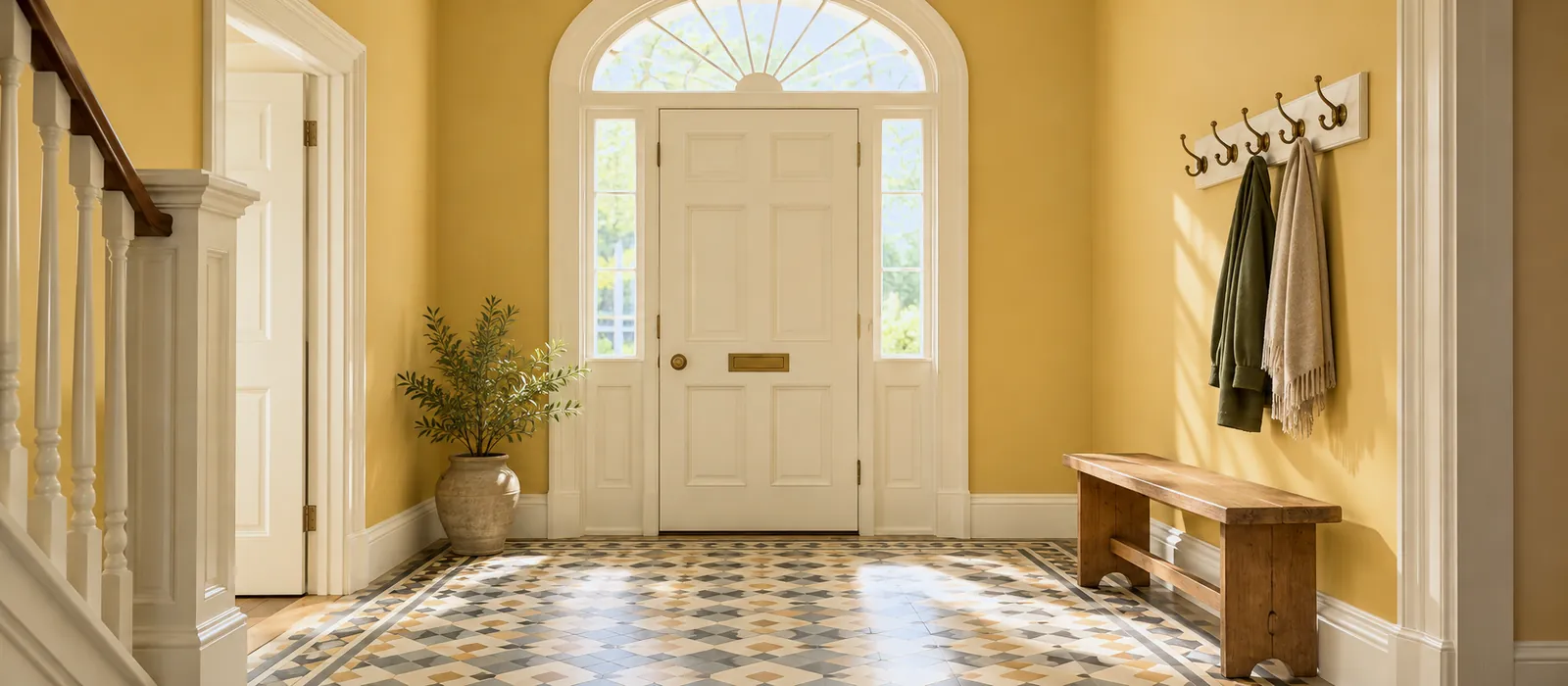
You do not sit in a corridor. You do not spend three hours in a hall. That is why these spaces take bolder and deeper colours than the rooms you live in: an ochre, a deep green, a Prussian blue are a thirty-second surprise there, not a three-hour fatigue. And that is why they play three roles that colour can serve. Welcome: the hall is the first thing you see; a warm, bold colour says "you've arrived". Lead: a corridor is an arrow; an end wall deeper than the side walls shortens it and gives it a destination — see Make a room look larger with paint. Connect: the corridor and the stairs touch every room; one woodwork colour, or one family of colours from end to end, makes the house a single house — see A colour palette for every season.
Two constraints, in exchange. The light: often no window; the colour is chosen by lamplight, and by lamplight mid and deep tones are warm, white is flat — Colours for a dark hall. Wear: hands, bags, bikes, dogs, suitcases; walls in Marble Matt Emulsion, class 1 washable, and everything that gets touched — skirting, doors, handrail, dado — in Eggshell or Satin. The detail: Which finish for a hallway.
Six schemes
For each: the surface that takes the colour, what stays calm, and the space it suits.
01
A warm, bold colour — ochre, terracotta, green — on all four walls of the hall, warm white woodwork: you've arrived. The corridor that follows takes the woodwork white on its walls.
02
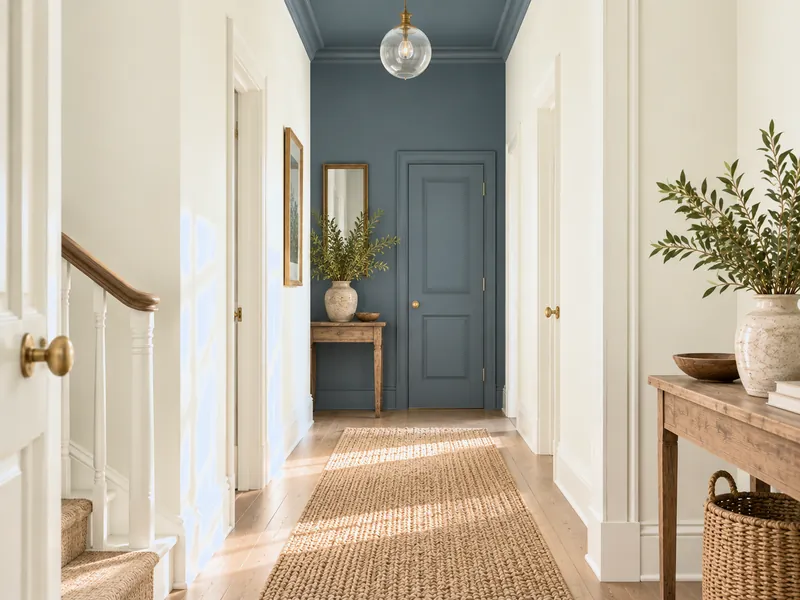
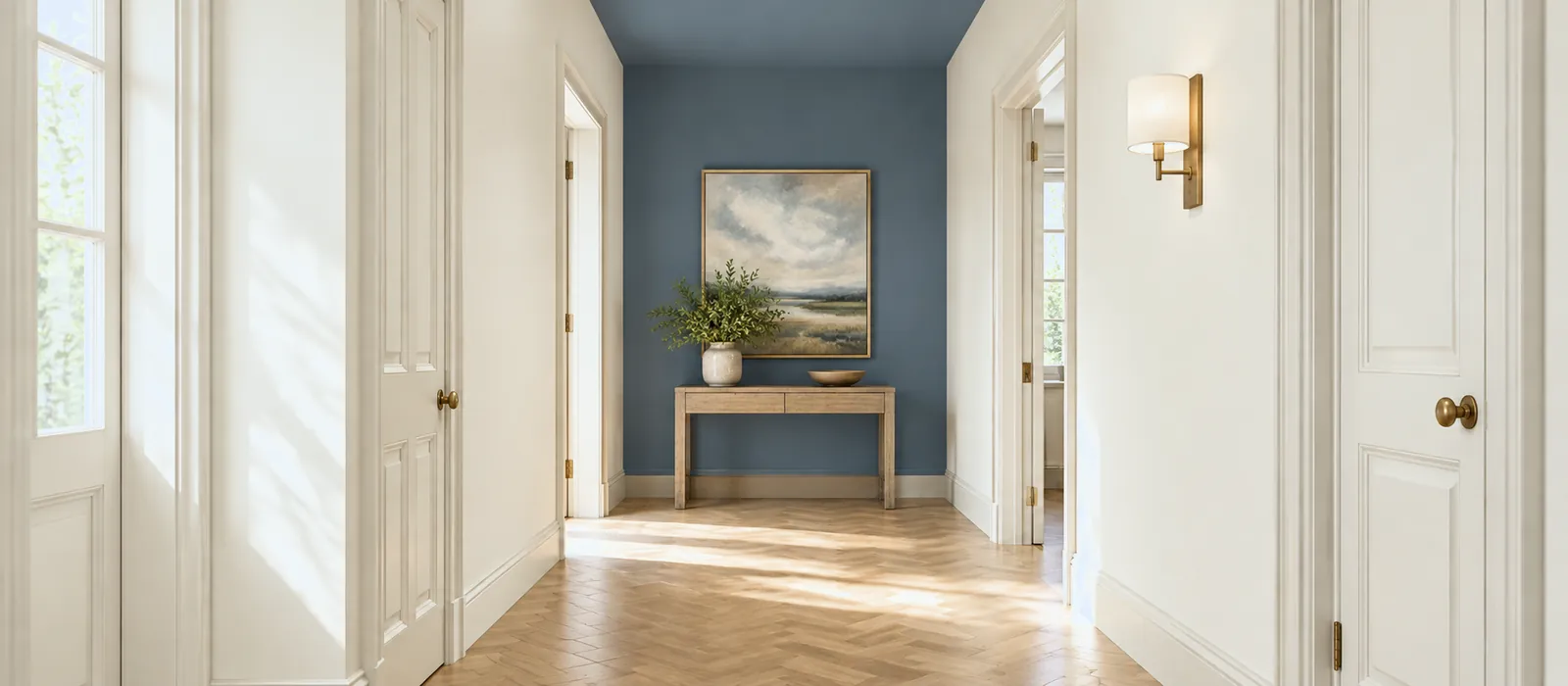
Side walls in a warm neutral, the corridor's end wall in a deep tone, up to the ceiling: the corridor shortens and leads somewhere — a door, a painting, a console.
03
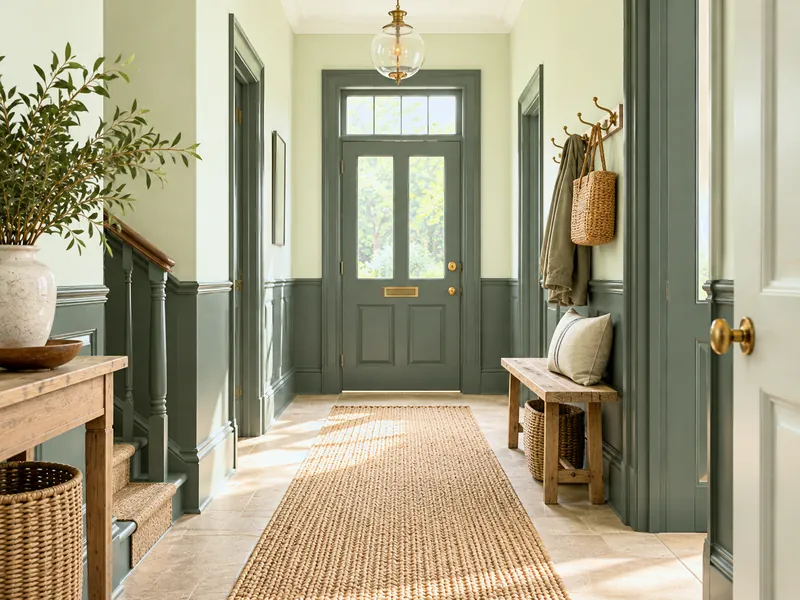
A deep tone in Eggshell up to 1 m, a light matt tone above: the bottom takes the bags and the dogs, the top stays light. The scheme of family corridors and town halls.
04
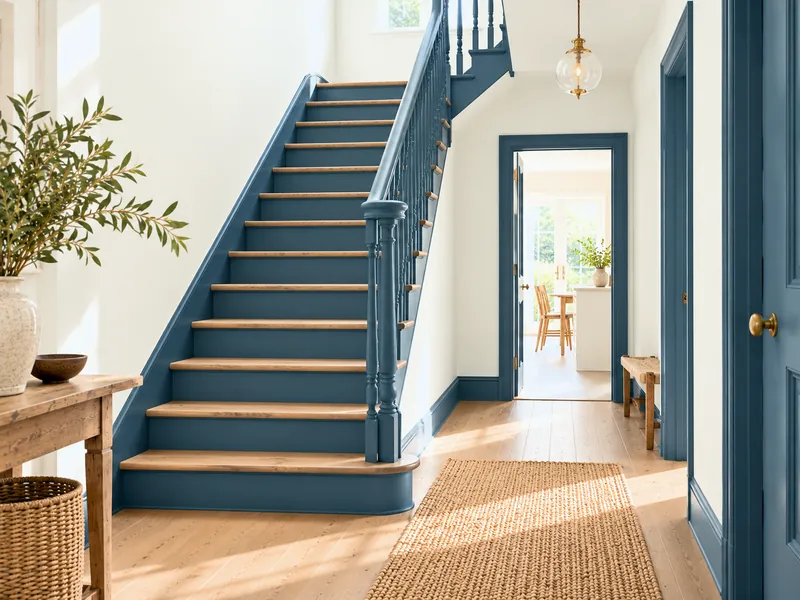
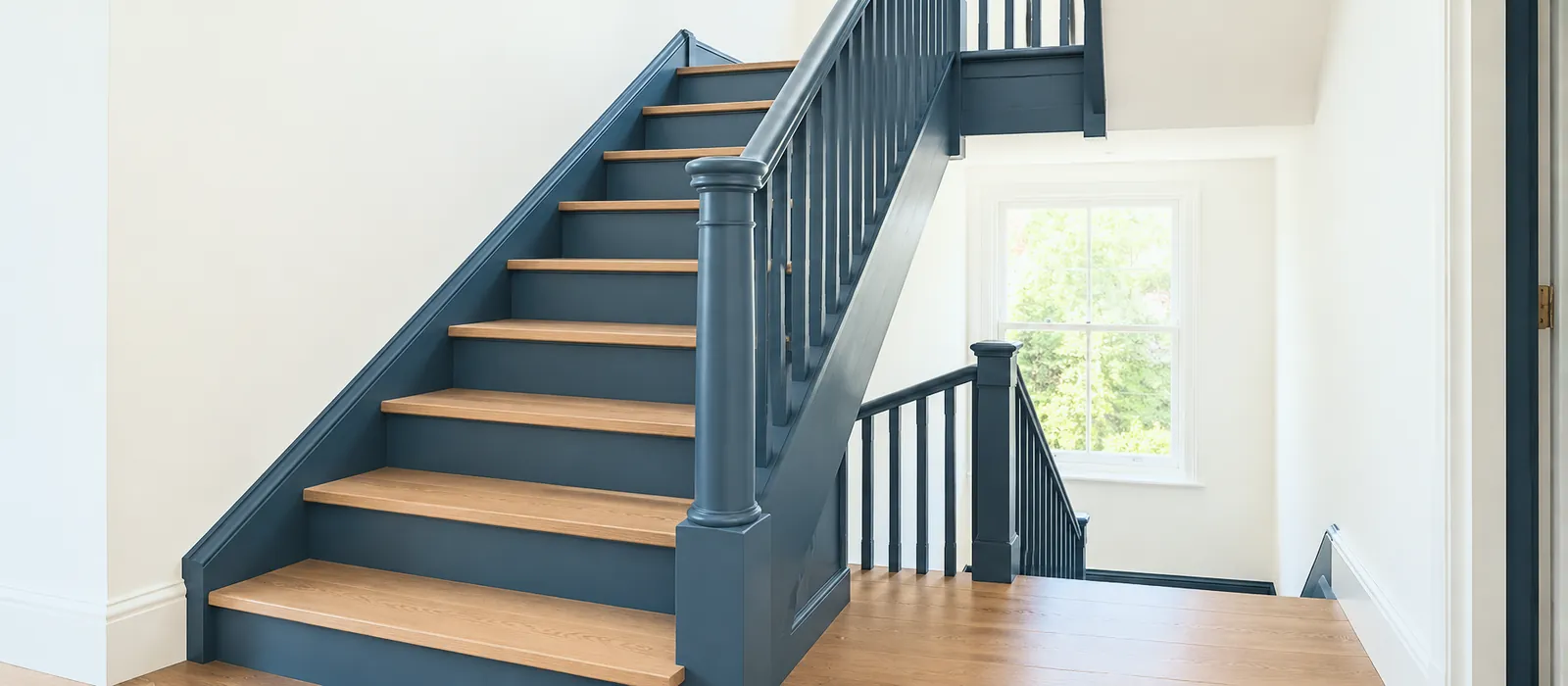
Risers, strings and handrail in a deep colour, treads in wood or a light tone, calm walls: the stairs become the ribbon that ties the floors together. See Colours for a stairwell.
05
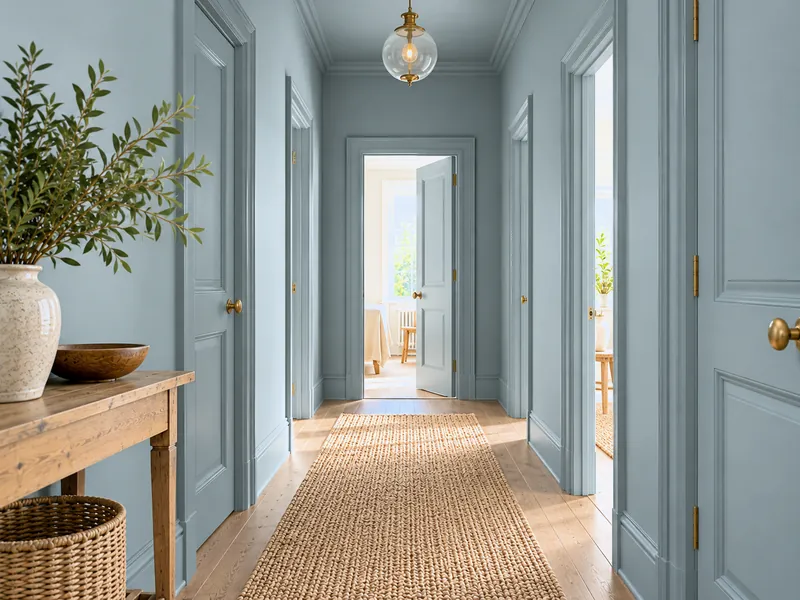
Walls, ceiling, doors and skirting in a mid tone: the windowless corridor becomes an enveloping passage, and the doors open onto bright rooms become windows. See Colour drenching.
06
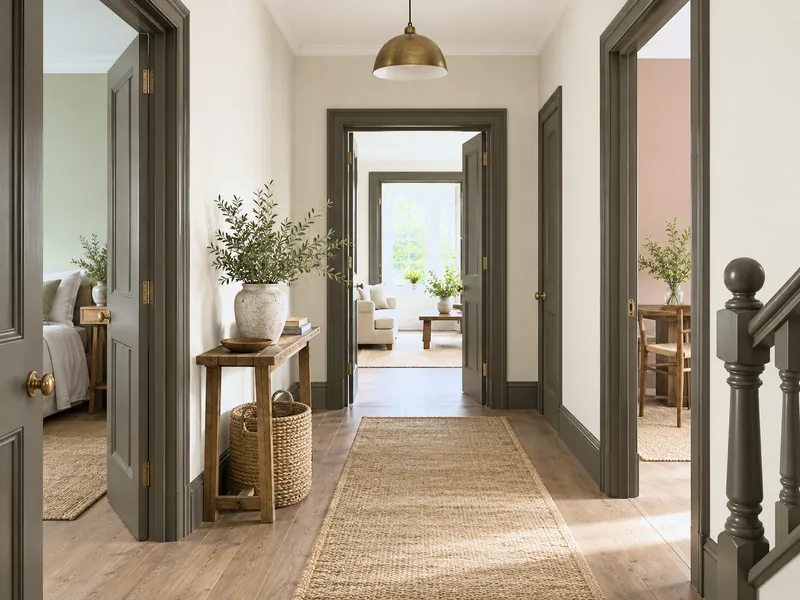
Each room its own wall colour, but every door, skirting and frame in the corridor and the rooms in one deep colour: the house has a thread. See 8 wall and skirting board colour combinations.
By space
| Space | The challenge | The move | The finish |
|---|---|---|---|
| Hall | Welcome, resist bags and coats | Bold colour on the walls, or a deep dado | Marble Matt above, Eggshell below and on the hooks; Satin on the door |
| Corridor | Lead, not tunnel | Deeper end wall; or mid-tone drenching | Marble Matt; skirting and doors in Eggshell, one step deeper |
| Stairs | Climb, resist feet and hands | Risers and handrail in colour; calm walls | Risers and strings in Eggshell; treads in Decorative Floor Satin if painted; handrail in Satin |
| Landing | Not be a void between doors | The corridor colour, with a painting, a chair, a lamp | Marble Matt; bedroom doors in the woodwork colour |
| Tall stairwell | Three storeys of wall in one piece | One colour from bottom to top, ceiling included, or a vertical gradation | Marble Matt; see Colour capping |
| Lobby, vestibule, passage | Two forgotten square metres | Drenched in a colour you wouldn't dare elsewhere | Marble Matt and Eggshell; see the same idea for the cloakroom |
A 3 × 2 m hall under 2.5 m and a 6 m corridor together need about 5 L of Marble Matt Emulsion in two coats, and 1 L of Eggshell for the skirting and doors.
The method
First the thread. Choose the woodwork colour for the whole house — a warm white, or a deep colour — and the family the rooms' walls will sit in. Then the hall: the boldest colour, the one that welcomes. Then the corridor: calmer, with a deep end wall or a mid-tone drench. Finally the stairs and landings, which pick up the corridor and carry the woodwork colour upstairs. Paint in that order, one zone per weekend, and live in between: a painted corridor shows what the hall is asking for.
Test by lamplight: A4 boards propped at the end of the corridor and in the hall, looked at in the evening. A colour that pleases by lamplight in a corridor will please by day; the reverse is not true. And plan for wear: a sample pot of the wall colour, kept for touch-ups at bag height.
To avoid
Frequently asked questions
A mid tone drenched — grey-green, blue-grey, deep linen — with a warm wall light every two metres: the corridor becomes an enveloping passage. Or a warm white on the sides and a deep tone at the end. Never a pure white, which makes a tunnel by lamplight. See Colours for a dark hall.
Not necessarily: the hall can be bolder, the corridor calmer, provided there is a thread — the same woodwork, or the same family. The transition happens at a corner or a door frame, never in the middle of a wall.
Yes, with Decorative Floor Satin on bare or sanded wood, in two coats, painting every other tread so you can keep using them; 24 h before walking on them, three weeks' curing. Risers, strings and handrail in Eggshell or Satin. See How to paint a wooden floor.
Marble Matt Emulsion is class 1 washable and takes a sponge; for a family corridor with bikes and dogs, an Eggshell dado up to 1 m, in a deep tone that hides the marks. The detail: Which finish for a hallway.
One colour from bottom to top, ceiling included, so the volume stays a volume; or a vertical gradation, deepest at the bottom, lightest at the top. Never one colour per floor. See Colours for a stairwell.
See also
 Six painting techniques that push the walls back — without knocking down a single one.
 Loving your walls in July as in January: four timeless bases, and what each season adds.
 Eight wall-and-skirting pairings, from white-beige to blue-yellow: the bottom line that finishes the room.
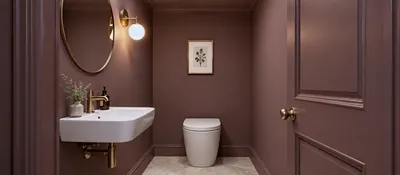 Two square metres, three minutes: the room where you dare a deep colour, drenched. Six ideas, from burgundy to...
“A corridor is painted for the second you step into it: it must welcome, then lead.”
Thanks for signing up to our newsletter!
Sign in to save items to your wishlist. Sign in to save your basket, so you can continue shopping later.
Don't have an account? Create one
Share this link and friends can buy items from your list. Anything bought disappears from it automatically. Anyone with this link can see your selection.
Moving in, redecorating, or dropping hints? A free account turns this selection into a gift list — add or remove colours whenever you like, and we'll email you when someone buys something from your shared list.
Free · Delivered to your door
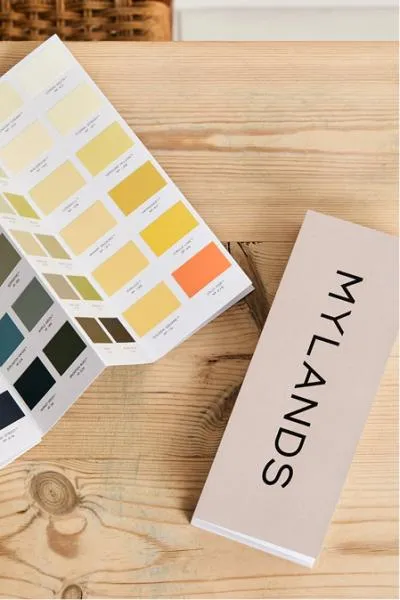
Get a free colour card posted to you, showing our complete Colours of London range, with swatches made from the real paint for a true representation of our award-winning colours.