01
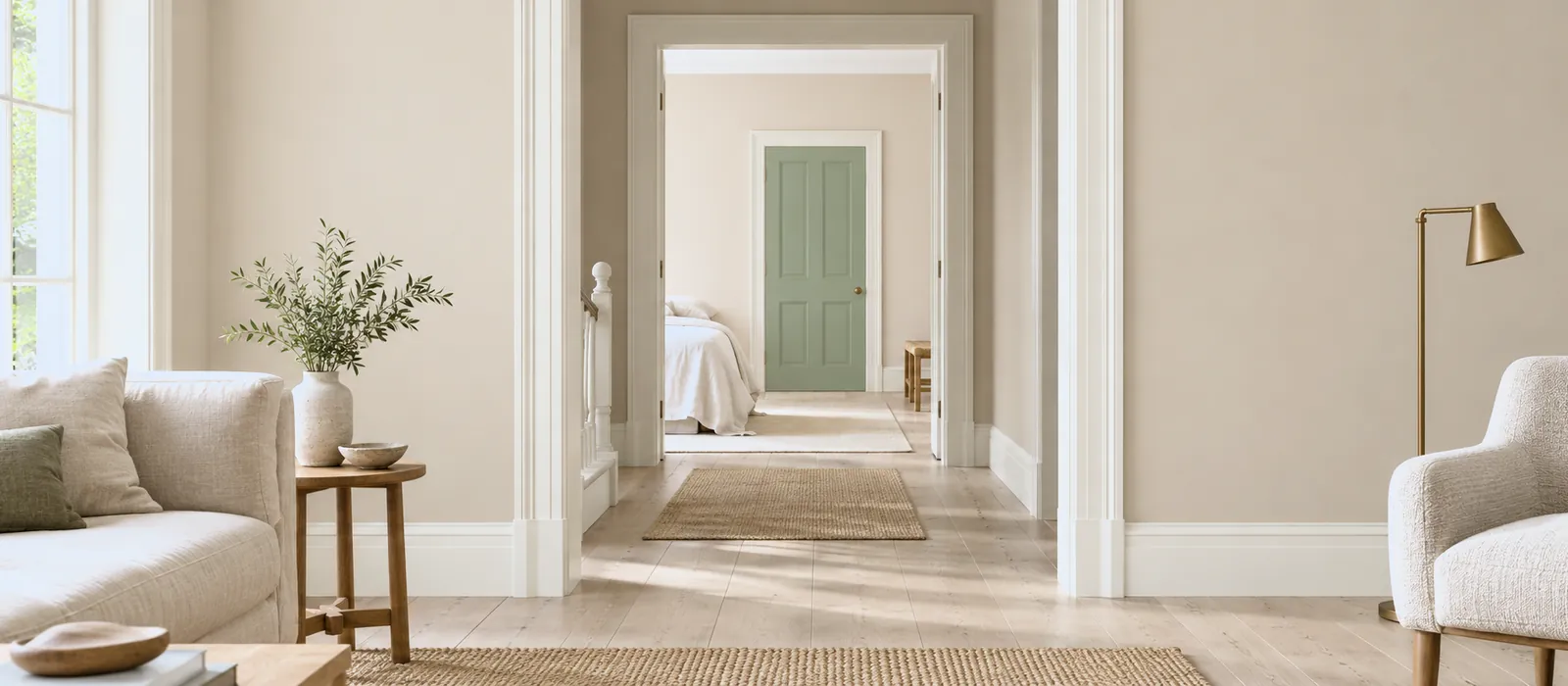
1. Light, warm neutrals
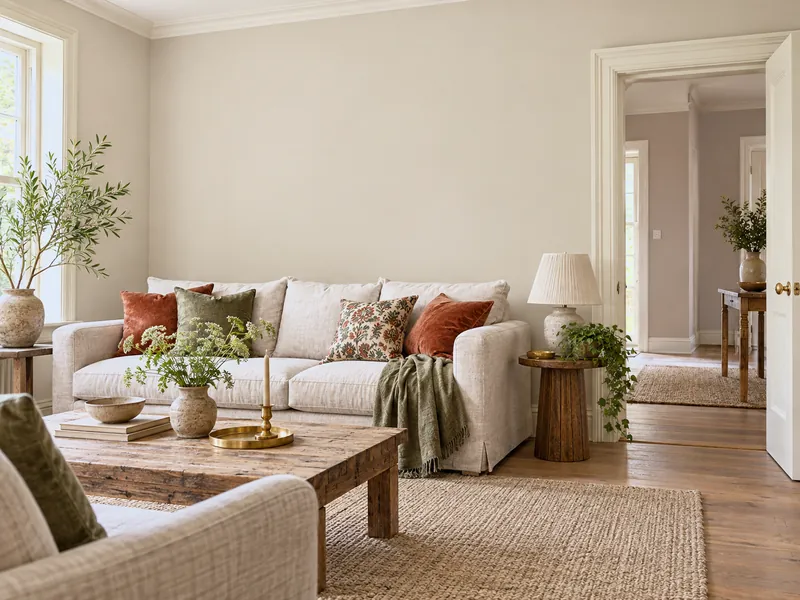
A beige-taupe, a greige, a warm off-white: they go with everything and accept vivid textiles in summer, heavy materials in winter. The safest base, provided it is warm — a grey neutral turns cold in January.
Menu
How To
Design Advice
Customer Service
My account
Help with paint Choosing colour
A palette that transitions through the seasons rests on a base you love under both of the year's lights — the long white light of summer and the low golden light of winter — and that you redress with textiles. Four bases manage it: light warm neutrals, the earthy palette, muted greens, soft pinks. Then each season has its colours, to take as accents or, for one room, as a deliberate drench.
Page updated September 2026 · by the Mylands France colour team
Understanding
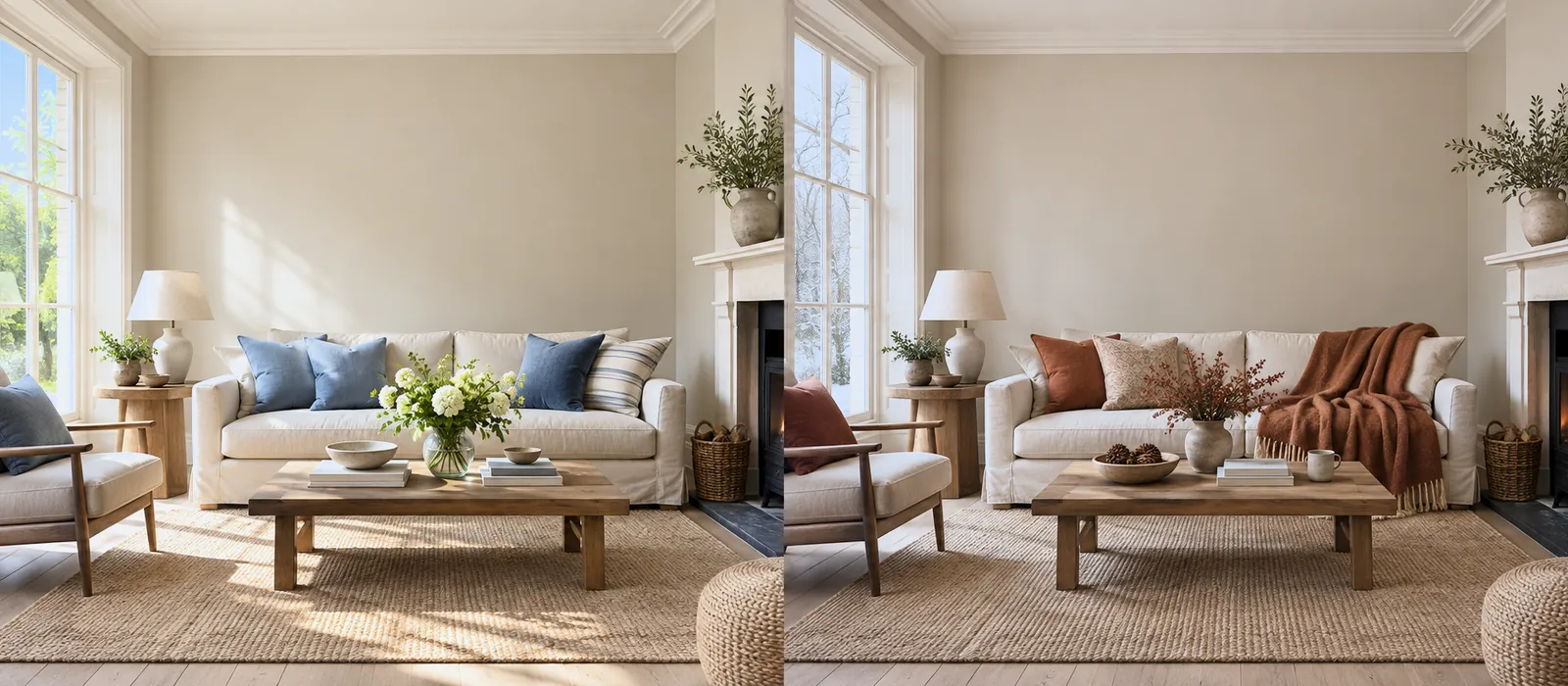
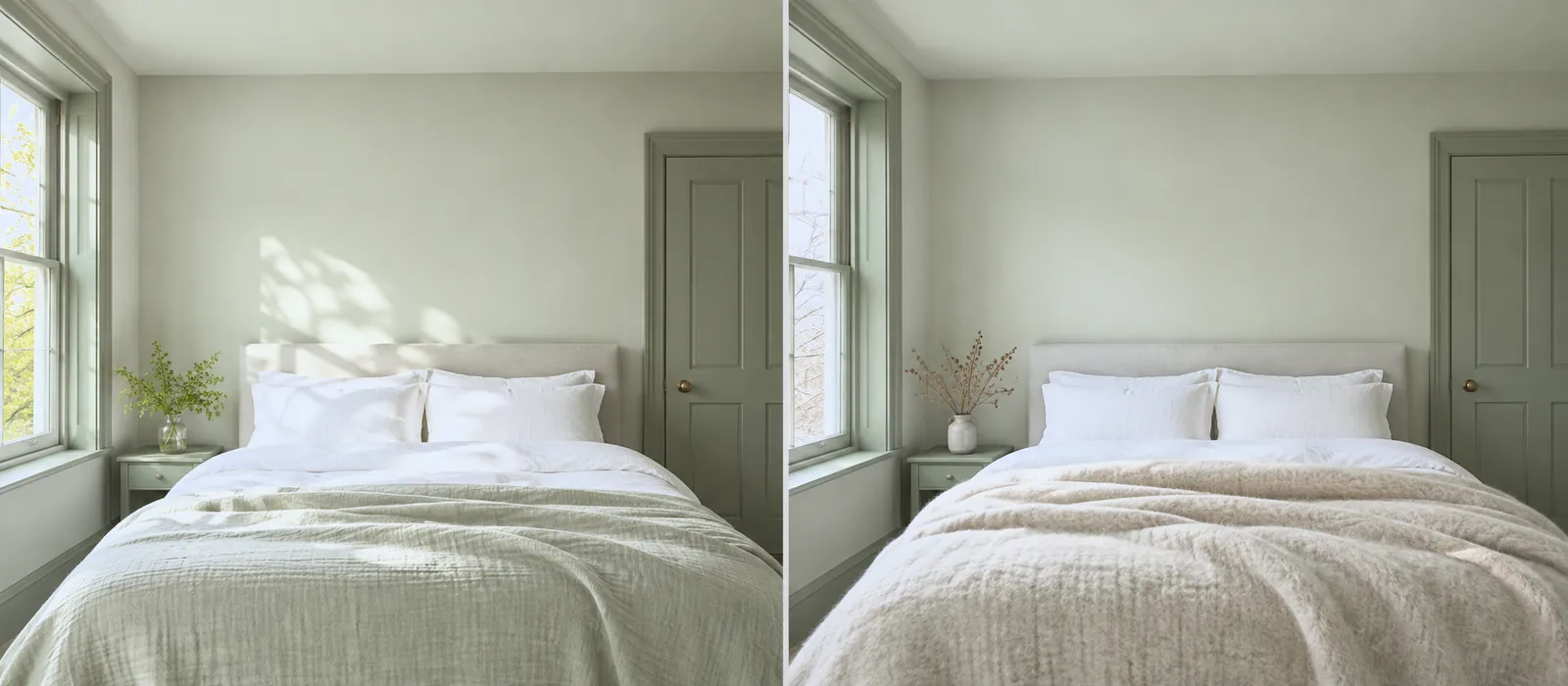
People choose their colours in the season they paint: in summer, light and fresh shades; in winter, warm and dark ones. Six months later the light has changed and the colour with it — a bluish white that is delightful in July goes grey under a January sky; a deep brown that comforts in December weighs in full sun. Winter light is lower, more golden, scarcer; summer light higher, whiter, longer. A timeless palette is one that holds under both.
Two strategies. The first: a flexible base — a warm neutral, an earth, a greyed green, a soft pink — and textiles that change with the season. The second: choose the season you prefer and paint it for good, accepting it will be out of season six months a year — the principle of our four Shades of the Days pages. This guide deals mainly with the first.
Four bases
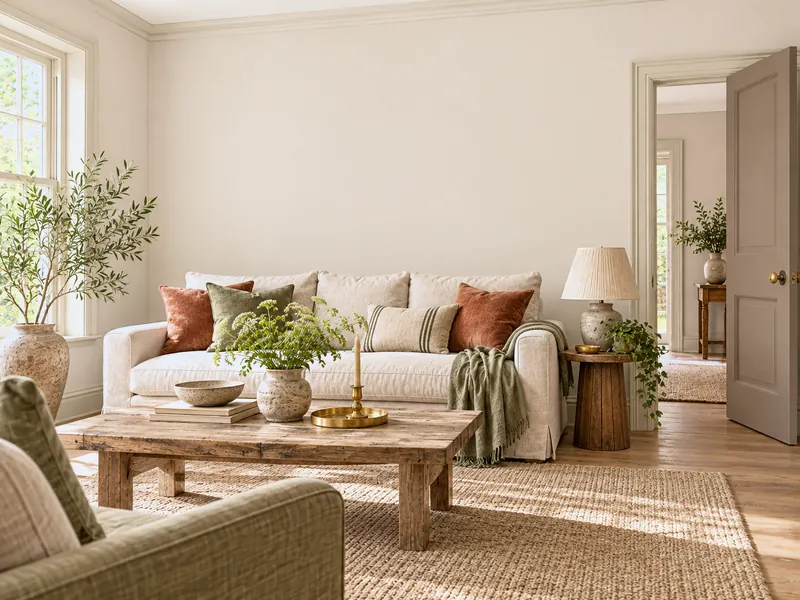
01
A beige-taupe, a greige, a warm off-white: they go with everything and accept vivid textiles in summer, heavy materials in winter. The safest base, provided it is warm — a grey neutral turns cold in January.
02
Pure white lacks warmth in winter; light earths — a pale ochre, a rosy stone, a soft brown — give a discreet, calm warmth. Bedrooms, sitting rooms, bathrooms.
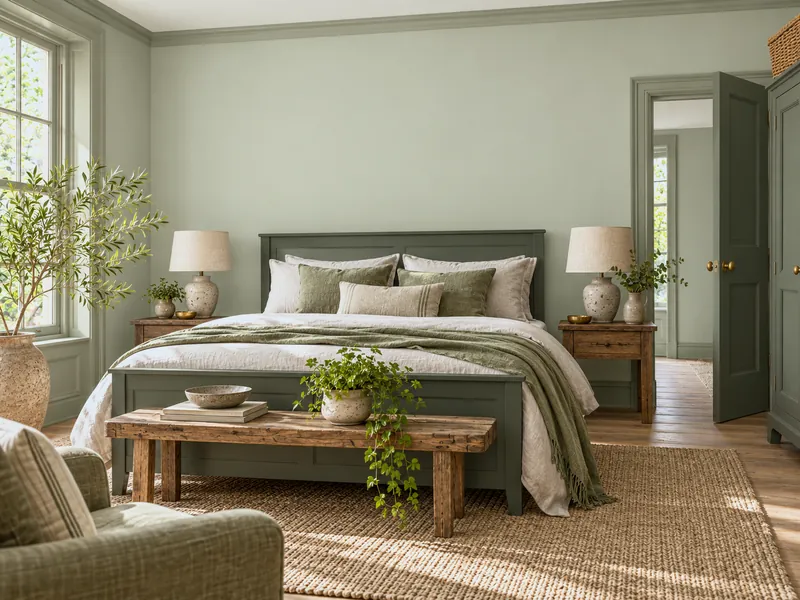
03
Neither warm nor cool, greyed greens cross the seasons without effort: fresh in summer, comforting in winter. The deep ones for an evening room, the soft ones for a bedroom.
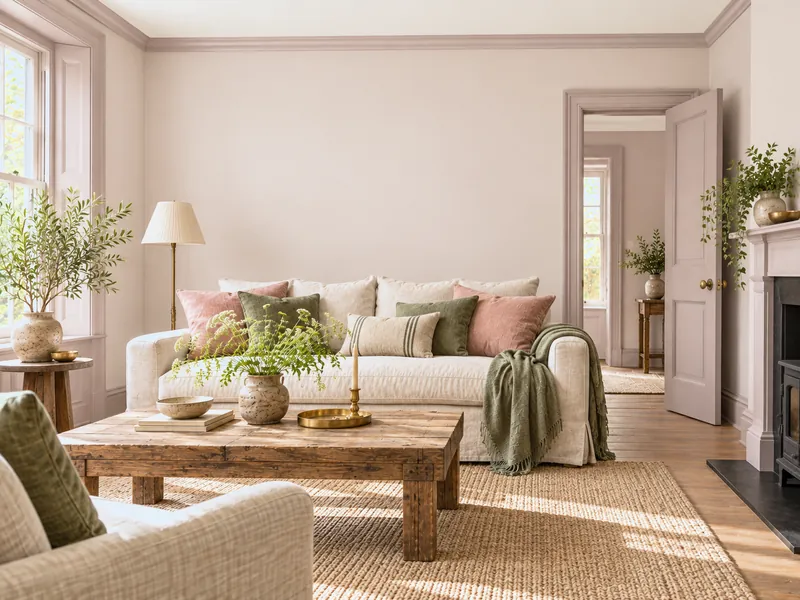
04
Warm enough for a winter evening, fresh enough for a spring morning: a pink-beige or a powder pink on the walls, and its family on the woodwork. Greyed pink behaves like a neutral.
The seasons
Seasonal colours go on the base as accents — a piece of furniture, a door, textiles — or, for a room you want to belong to one season, as a drench. Our four Shades of the Days pages cover them.
| Season | Its colours | As an accent on the base | As a drench |
|---|---|---|---|
| Spring | Tender greens, pale pinks, lilacs | Cushions, a door, a painted piece | Shades of spring days |
| Summer | Sea blues, ochres, clear greens, yellows | Textiles, an end wall, the kitchen | Shades of summer days |
| Autumn | Caramel, honey, earths, warm pinks | Throws, curtains, a sideboard, a headboard | Shades of autumn days |
| Winter | Deep browns, midnight blues, crimsons | A whole evening room, a door, velvets | Shades of winter days |
The eight spring palettes and the summer palettes in detail: 8 spring colour schemes, Summer colour schemes.
Composing a house
A house that crosses the seasons is composed like a room: a base, a supporting role, an accent — repeated from room to room. A complete example, from the warm neutrals.
01
A beige-taupe in the sitting room, corridor and hall; its lighter version in the bedrooms. Woodwork in a stone white, throughout the house.
02
A muted green: the kitchen cabinets, the sitting-room door, a study drenched. It appears, disappears, returns.
03
A brown-red: the front door outside, a headboard, the inside of a cupboard, a stool. The red thread, literally.
To avoid
Frequently asked questions
A warm, light-to-mid neutral — a beige-taupe, a greige, a stone — with woodwork in an off-white of the same family. It has crossed the last two centuries without dating. See Using mid-tone paint colours.
Through textiles — curtains, cushions, throws, rugs — and through light: warmer bulbs in winter. A neutral or earthy base accepts blue and white textiles in summer, russet and wool in winter.
Yes, if it is a room you mainly use in that season — a conservatory in summer, a library in winter — or if you love that season enough to want it all year. That is the stance of our Shades of the Days pages.
Any, provided you look at the board at three times of day and under the evening lamps: artificial light is winter's light. See How to test a paint colour at home.
See also
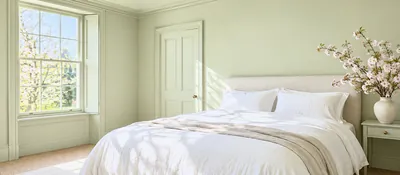 Tender greens, pinks, lilacs, pale yellows: eight palettes that bring spring in, room by room.
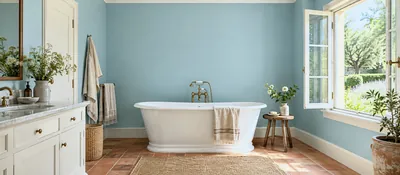 Sea blues, ochres, clear greens, lime whites: eight palettes that keep summer on the walls.
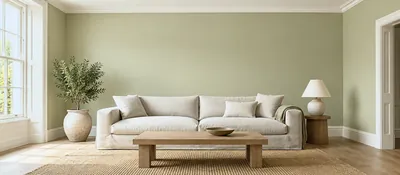 Neither light nor dark: mid-tones are the colours you stop noticing after a week — and that is their quality.
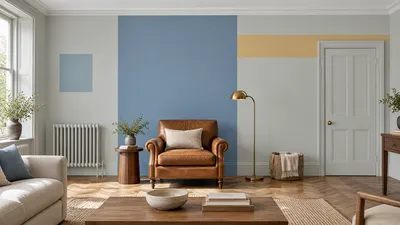 Huguenot No.49, Mylands' Colour of the Year 2027, and the four colour movements of 2027 — greens, mid blues, e...
“A good wall colour is one you do not think of changing when the light changes.”
Thanks for signing up to our newsletter!
Sign in to save items to your wishlist. Sign in to save your basket, so you can continue shopping later.
Don't have an account? Create one
Share this link and friends can buy items from your list. Anything bought disappears from it automatically. Anyone with this link can see your selection.
Moving in, redecorating, or dropping hints? A free account turns this selection into a gift list — add or remove colours whenever you like, and we'll email you when someone buys something from your shared list.
Free · Delivered to your door
Get a free colour card posted to you, showing our complete Colours of London range, with swatches made from the real paint for a true representation of our award-winning colours.