The journal
English paint: why it caught on, and how to choose it
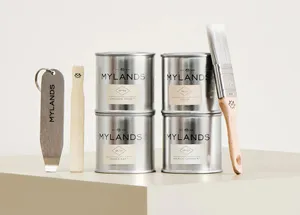
English paint means that family of workshop paints with deep, chalky matts, colour cards inherited from history and woodwork painted with as much care as the walls. Mylands, London's last paint maker, ships it across France from Occitanie, with a free colour card, sample pots and advice in French.
Ask a French decorator what they mean by English paint and they will not talk about flags or customs forms. They will talk about a deep matt that seems to drink the light, greys that are never quite grey, apothecary greens and inky blues, doors and skirting boards painted with the same care as the walls. English paint has become a category in its own right on French building sites, to the point where people ask for "an English paint" the way they might ask for washed linen or encaustic tiles. What sits behind the phrase deserves explaining, because it is that, and not the accent, that justifies having it sent from London.
Where the taste for English paint comes from
England held on, longer than most countries, to independent paint makers who worked for decorators, theatres and historic houses rather than for the shelves of the big retailers. Those workshops kept a way of doing things: natural earth and mineral pigments, generously loaded, colours mixed by eye and kept in colour books, names that tell of a street, a bridge or a customer. The result is a very particular chromatic vocabulary, made of softened, complex shades that move with the daylight instead of lying flat.
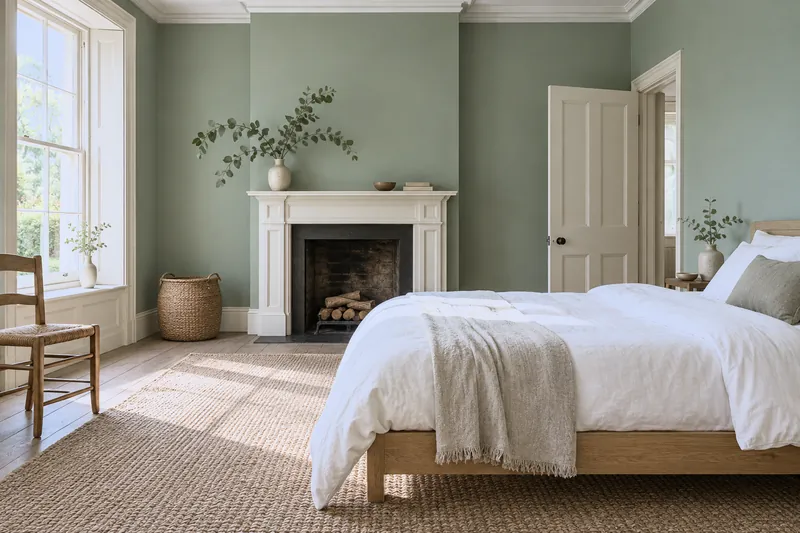
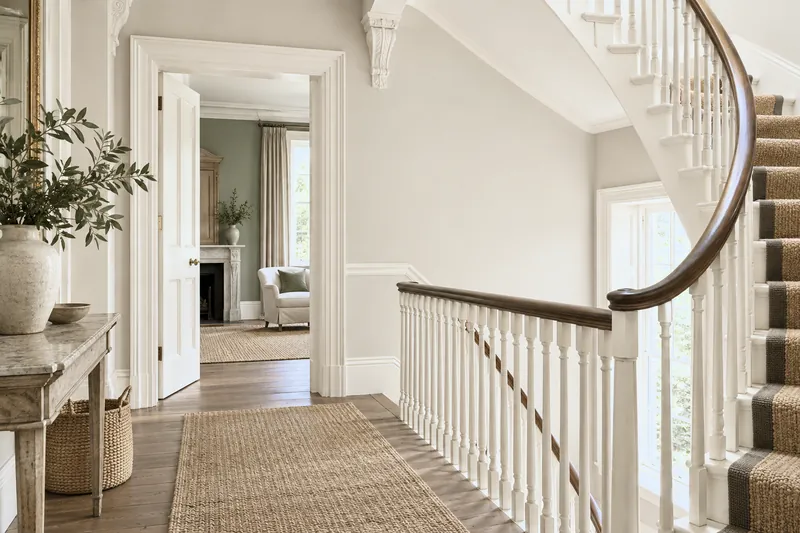
The second tradition is painted woodwork. In an English house the door, the architrave, the skirting, the window and often the chimneypiece are given a chosen colour, in eggshell or satin, that talks to the matt wall: darker to draw the room, identical to envelop it, or a warm white to give it structure. That habit, long foreign to French interiors where wood was varnished or left bare, is probably what has most won over decorators on this side of the Channel.
What sets it apart from an ordinary paint
The first difference shows on the wall: the depth of the matt. Our Marble Matt Emulsion contains crushed Carrara marble, offcuts from the stone industry, which gives a dense film, a mineral touch and that absence of reflection that makes a colour look richer than it does on the swatch. It covers around 15 m² per litre per coat, is touch-dry in one to two hours, and above all it carries class 1 wet-scrub resistance under EN 13300: a matt you can wash, which was never true of the chalky matts of old.
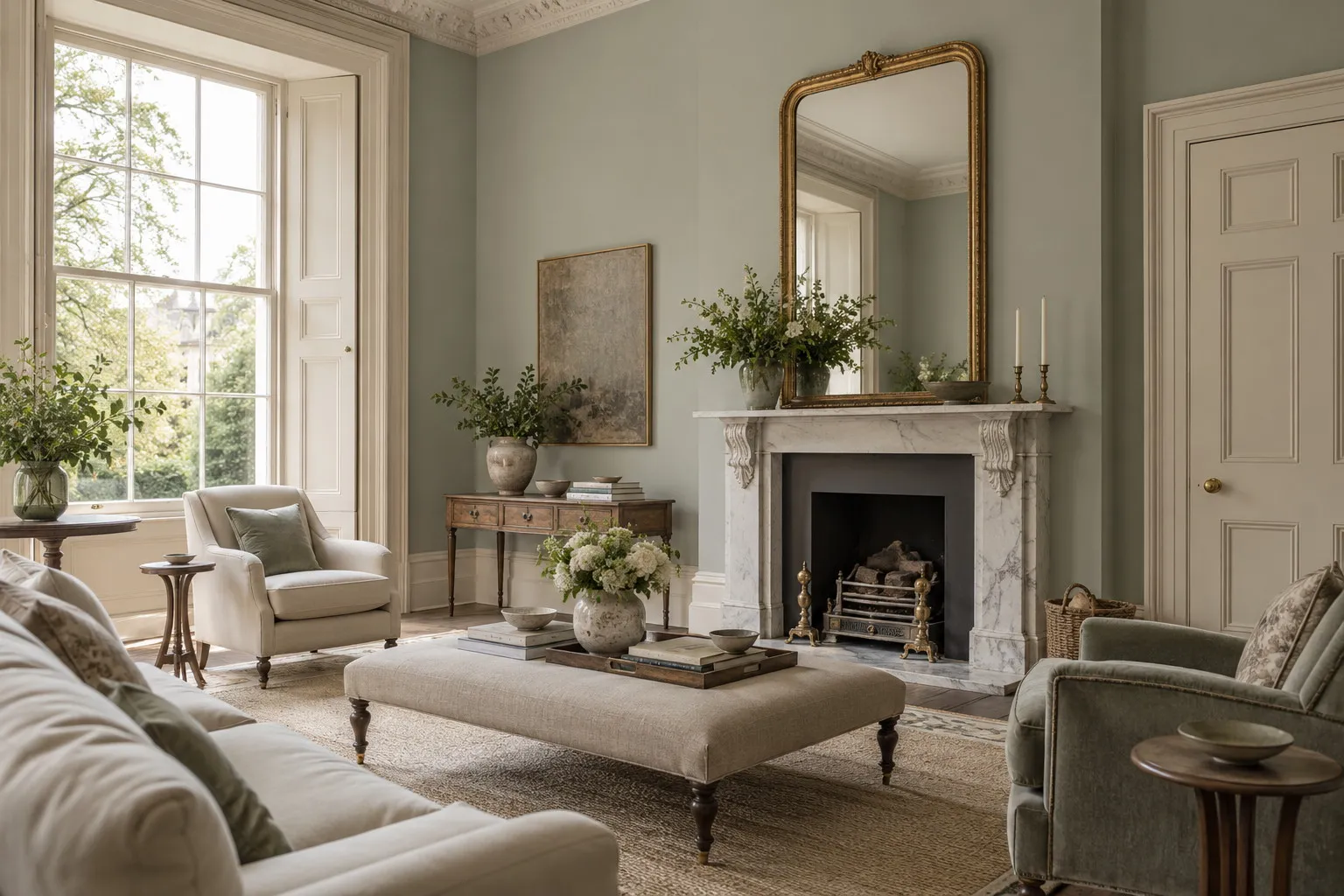
The second difference lies in the pigments. Natural earths and minerals, richly dosed, respond to light differently from a shade made up with a few machine tints: the same grey looks golden in the morning, bluish in the evening, and never quite identical from one wall to the next. A mass-market paint is, more often than not, designed to cover quickly and cost little per tin; a workshop paint is designed to be looked at for twenty years. That is also why it should be compared by the square metre, allowing for coverage and two coats, rather than by the figure printed on the label.
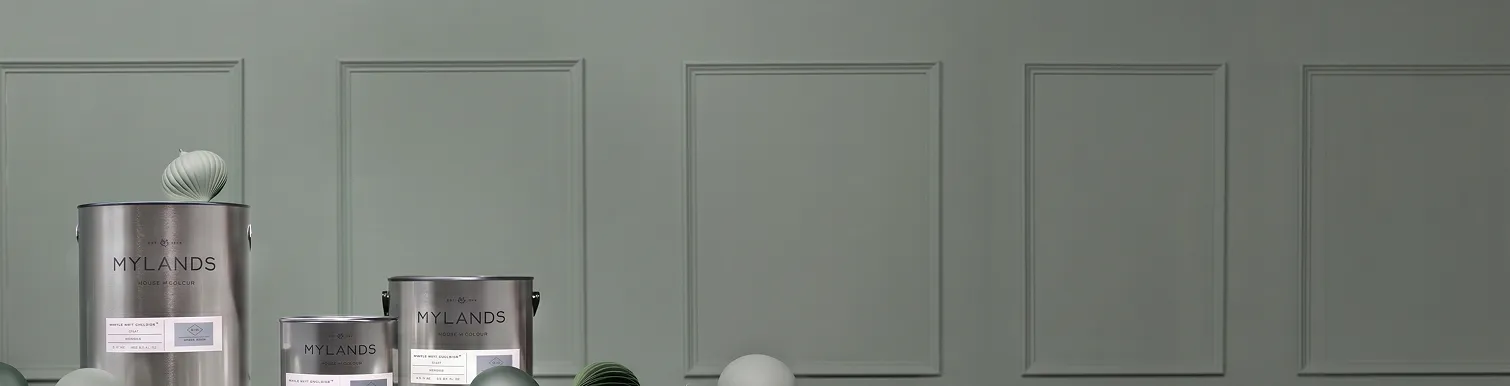
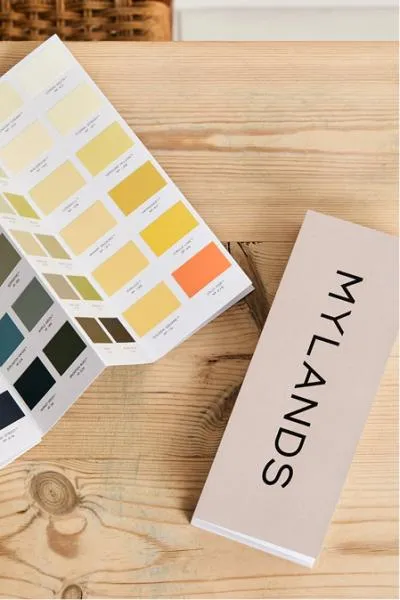
The third difference is the colour card itself. In 2012 Mylands brought together the 120 shades of the Colours of London collection, each named after a place or a story from the capital, and has since added collections by designers, Beata Heuman and Jinny Blom, an Archive collection and a collection created for film studios. These are not colours chosen to please everyone, but colours that have already done a job, on a real wall, in a real house.
Mylands, London's last paint maker
Our company was founded in 1884 in Lambeth by John Myland, known to his customers as Honest John, and it still belongs to his family: Dominic Myland runs it in the fifth generation, Harvey represents the sixth. We are the last paint manufacturer in London, and the oldest in Britain still owned by its founding family. Every tin is made and tinted in our single factory in West Norwood, in the south of the city, then checked against its standard, by eye and by machine, before it leaves.
Since 1928 we have supplied film, television and theatre studios, and we have held a Royal Warrant since 1985. Our paints are on the walls of the British Museum, the National Portrait Gallery and many other galleries and historic houses. If we dwell on these details it is not out of nostalgia: a maker who controls its manufacturing from end to end is also the one who can promise that the tin delivered in France will be exactly the one you sampled.
An English colour does not try to be pretty on the colour card; it tries to be right on the wall, at five in the afternoon, in November.
The colours that tell this story best
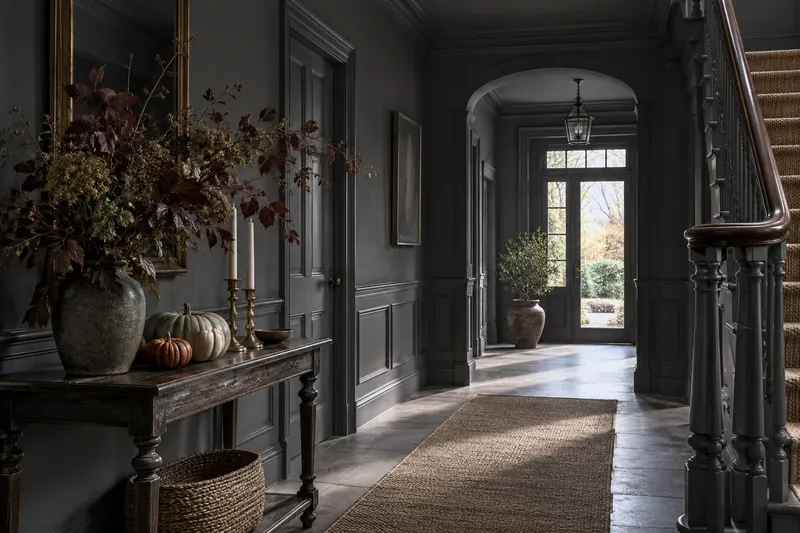
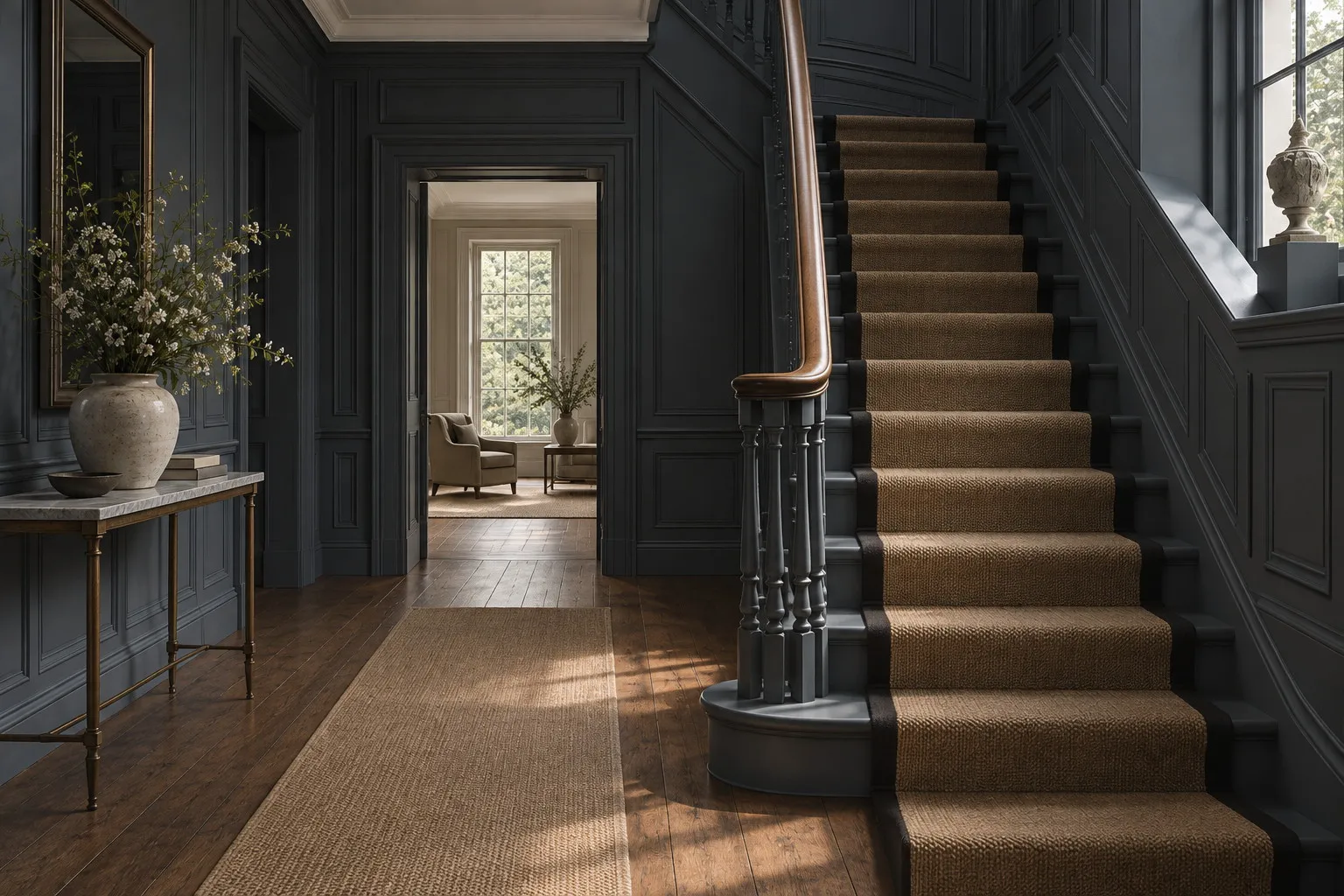
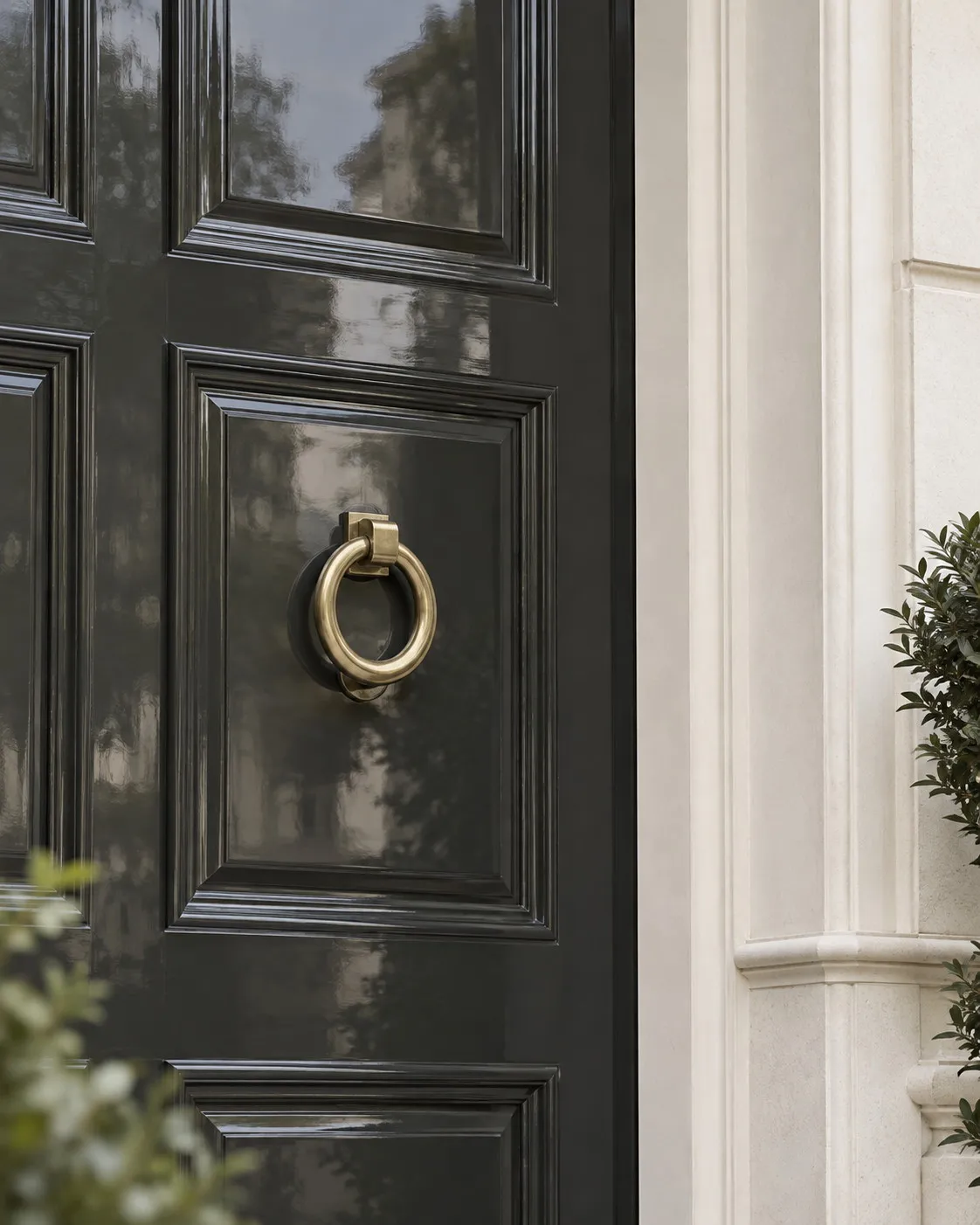
To understand the tradition, nothing beats a few specific shades. Bond Street No.219, a darkened slate blue once supplied to a property in the street of that name, is the colour we would choose for a panelled hall: deep without being black, it holds the light of a corridor and makes the rooms beyond feel brighter. Downing Street No.10, our pitch black named after the most photographed front door in the country, is the reference for front doors and graphic woodwork.
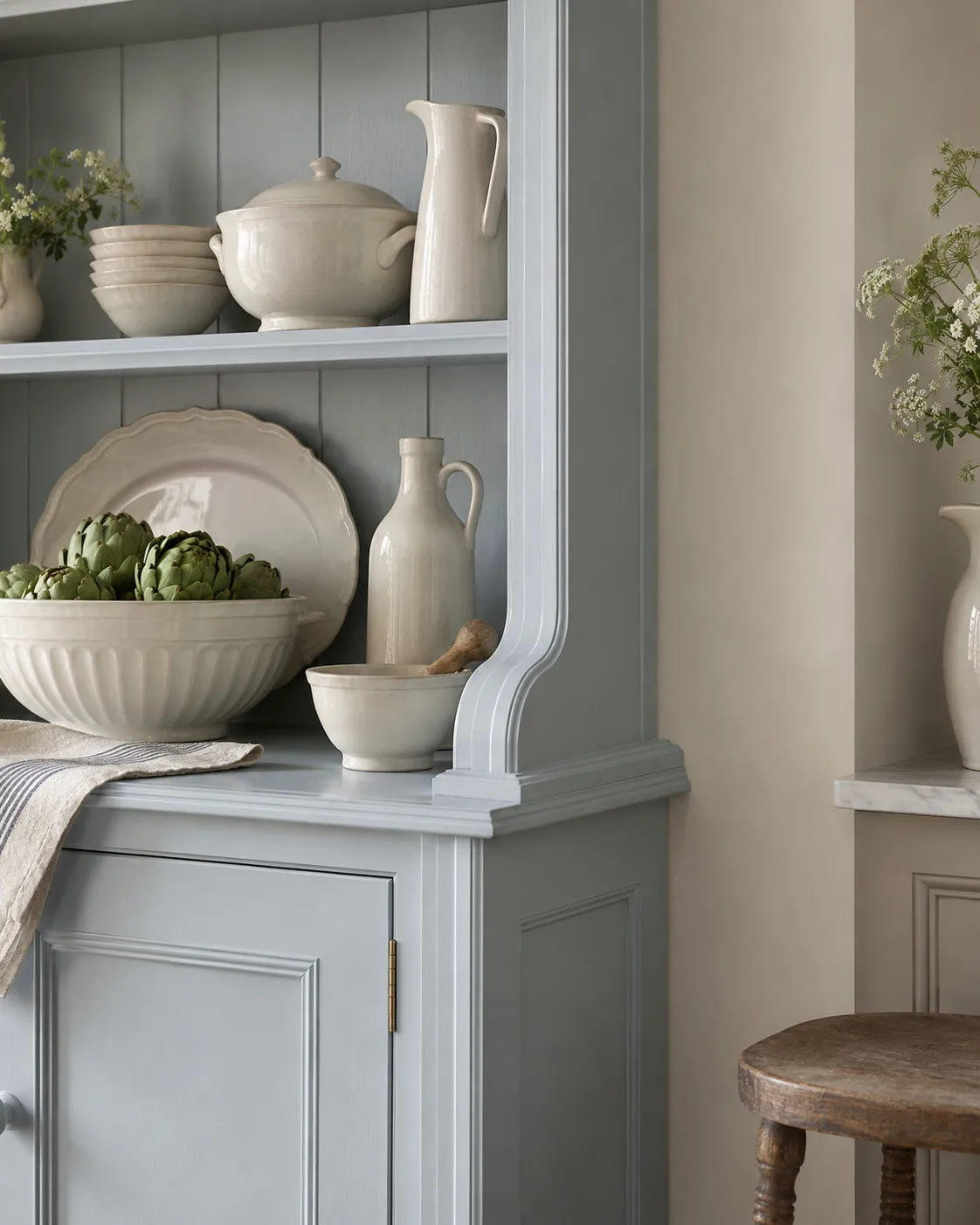
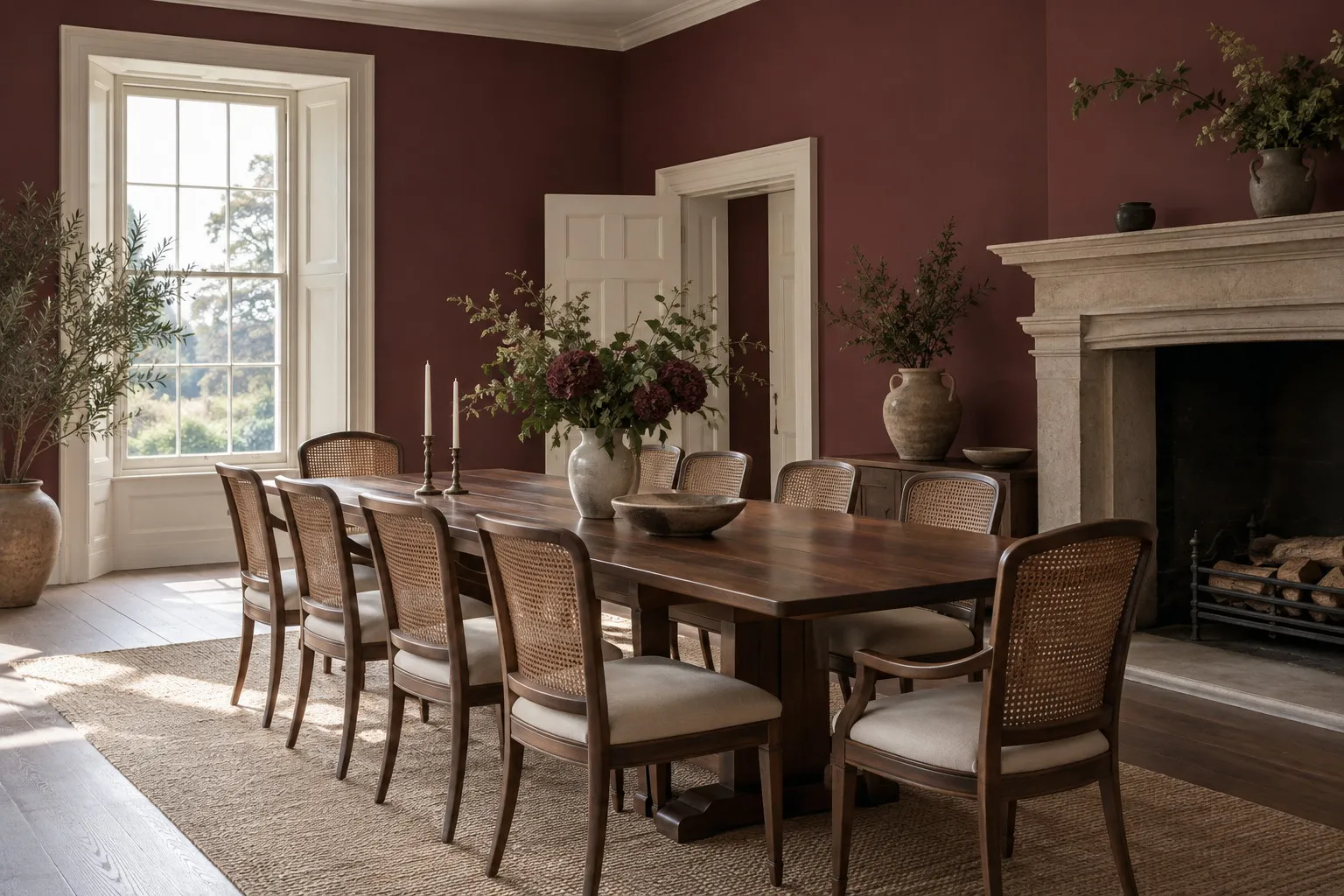
Among the pale shades, Honest John No.58 is a traditional off-white that carries our founder's nickname, and Holland Park No.5 a lightly yellowed white, created for a period property, that warms ceilings and woodwork without ever reading as cream. Lambeth Walk No.210, a slightly vintage pale blue from our original factory, has the charm of a 1950s kitchen. For the greens, Brompton Road No.205, retrieved from our records, or the smokier Museum No.151, inspired by Victorian museums, show how restrained a green can be. A red such as Huguenot No.49, a crimson from our archives, is a reminder that the English tradition has never been afraid of a full-blooded colour in a dining room.
And compared with the other English houses
We are often asked how Mylands stands next to the two names people in France mention first. We have written two pages that answer plainly, Mylands vs Farrow & Ball and Mylands vs Little Greene, comparing finishes, colour cards and the way each is made. They will spare you the forum threads, and above all help you choose according to your project rather than a reputation.
Buying English paint in France
The next question is practical: how to get hold of it without waiting for a parcel from across the Channel. Our French orders leave a warehouse in Occitanie, dispatched the same day when placed before 15:30, and arrive within two to three working days anywhere in mainland France, Corsica included. The physical colour card is sent free of charge, the 100 ml sample pots cover around 1.5 m² each, and a French-speaking team is on hand Monday to Friday to help you decide between two greys or work out a quantity. The page on where to buy Mylands in France sets all of this out.
As for the rules, an English paint sold in France meets the same requirements as a French one: the VOC ceiling set by European directive 2004/42/EC, 30 g/L for an interior matt wall paint, and the indoor-air emissions label, from A+ to C, required by decree 2011-321. All our decorative paints are water-based, low in VOC, low in odour and compliant with the EN 71-3 toy-safety standard, which clears them for a child's bedroom or a piece of furniture. Brushes wash out in water, and you can usually be back in the room the same evening once it has been aired.
Where to start
Order the colour card, it is free, and hold it against the wall you mean to paint rather than laying it on the table. Then choose two or three neighbouring shades and order their sample pots: paint squares of at least fifty centimetres, in two places in the room, and look at them morning and evening. Finally, to know what English paint really represents in your budget, the price per square metre page brings each finish back to the area it covers in two coats.
Frequently asked questions
What exactly is English paint?
The term refers to the paints of Britain's traditional makers: deep, chalky matts, natural earth and mineral pigments, colour cards inherited from history with shades named after places, and the habit of painting woodwork in a chosen colour. Mylands, founded in 1884 and still family-owned, is the last paint manufacturer in London.
Can you buy English paint in France without customs charges?
Yes. Orders placed on mylands.fr ship from a warehouse in Occitanie, with no paperwork and no surprises on delivery. Parcels leave the same day when ordered before 15:30 and arrive within two to three working days across mainland France, Corsica included. The colour card is sent free, and a French-speaking team is available Monday to Friday.
Is English matt paint washable?
The old chalky matts were not, which explains their reputation for fragility. Mylands Marble Matt Emulsion, loaded with crushed Carrara marble, carries class 1 wet-scrub resistance under EN 13300: it can be washed with a soft sponge and mild soap once the film has hardened, a few weeks after application.
Which English finish should I choose for woodwork?
Multi-Surface Eggshell, at around 15 % sheen, is the classic finish for doors, skirting and windows: a soft glow that contrasts with the matt wall. Satin adds durability for a kitchen or bathroom, Gloss is the toughest choice for a front door, and Multi-Surface Dead Matt lets you paint everything in a single colour.