The journal
High-end paint: what actually justifies the difference
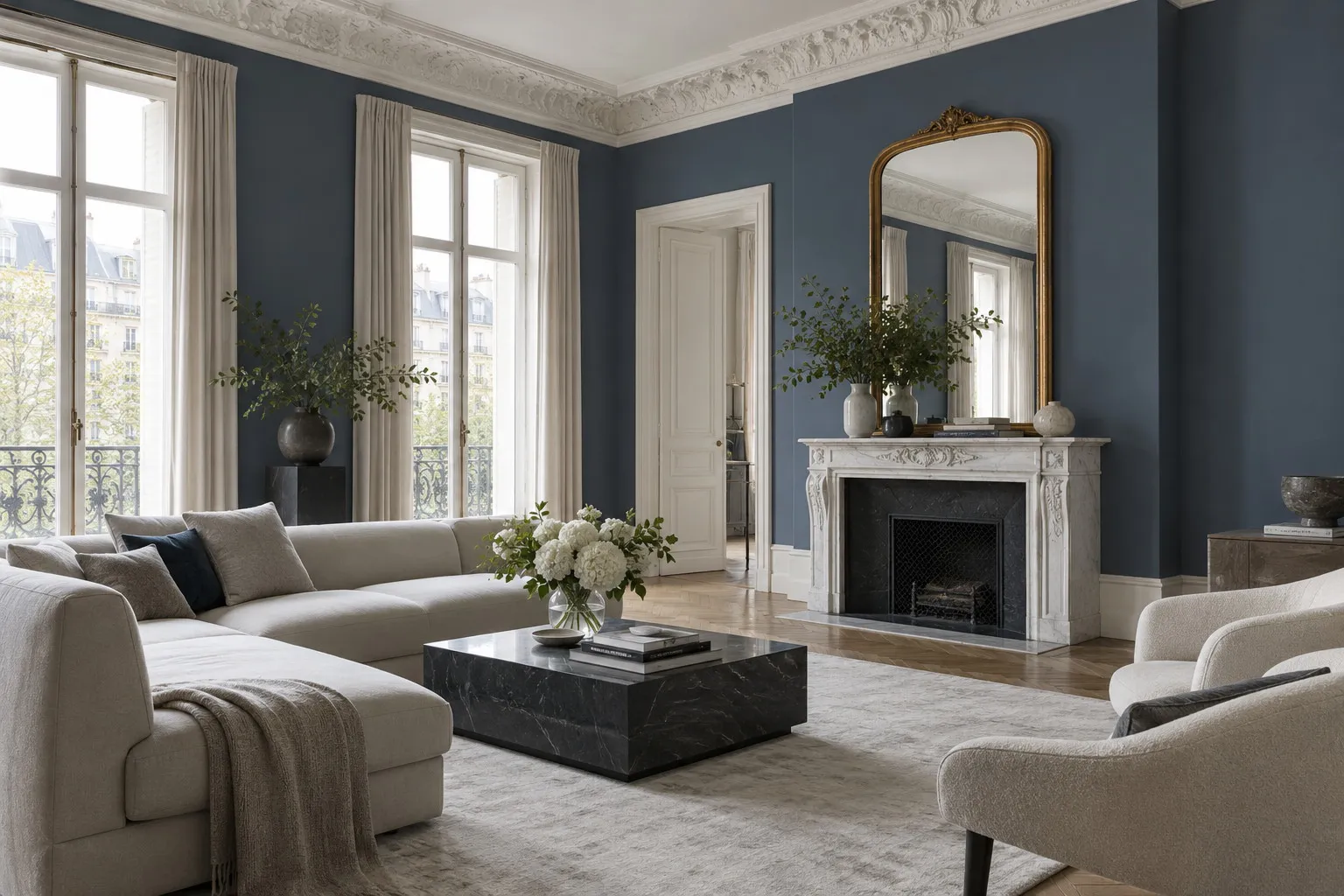
A high-end paint is defined by its load of natural pigments, the density of its film and the consistency of its making, far more than by its price. Here is how to recognise real quality, compare per square metre rather than per tin, and decide which rooms deserve the investment.
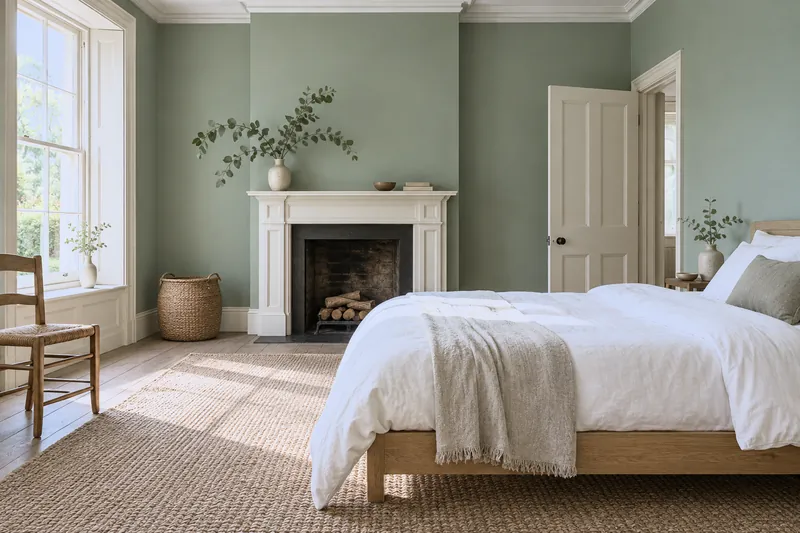
A high-end paint is not recognised by the elegance of its tin or the name on the label. It is recognised on the wall, a few weeks after the decorators have left, when the late-afternoon light crosses the room and the colour, instead of going flat, begins to change. That depth, and the toughness of the film carrying it, is what you are paying for. The rest, the packaging, the brochure, the adjectives, should never enter the calculation. Here is how to tell them apart before you order.
What actually makes a high-end paint
It starts with the formulation. A paint is, very roughly, a binder, fillers and pigments dispersed in water. Manufacturers looking to cut costs trim the pigments first, because they are the most expensive component, and make up the difference with cheap opacifying whites. The result covers, but stays flat: the colour is present without being alive.
Natural pigments, generously loaded
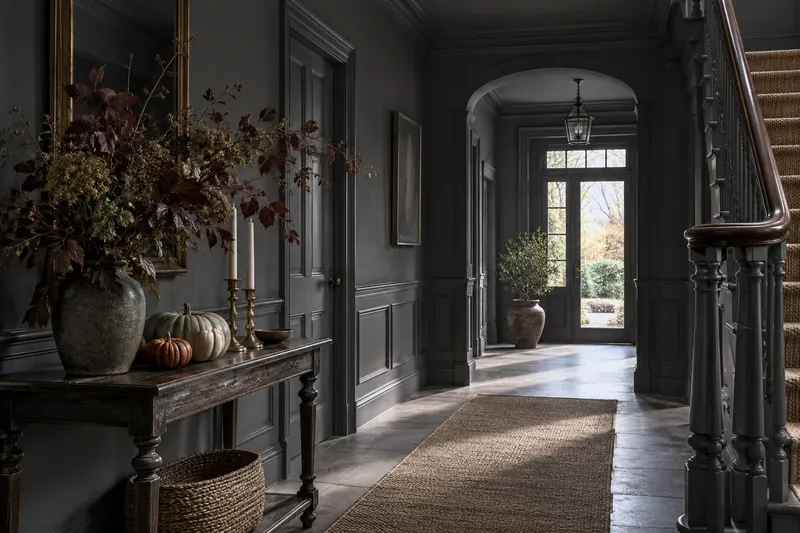
Mylands uses natural earth and mineral pigments, loaded with a generosity rarely found elsewhere. That high pigment load is why a blue such as Mayfair Dark No.218, a rich indigo, reads almost slate in the morning and warms towards evening. Mineral pigments absorb and return light unevenly, which gives the wall a vibration that uniform synthetic pigments cannot imitate. On a pale shade the effect is quieter but just as real: Holland Park No.5, a lightly yellowed off-white, has none of the coldness of a standard white.
Carrara marble in the emulsion
The second ingredient is less well known. Mylands emulsions contain crushed Carrara marble, taken from the offcuts of the stone industry. This mineral filler densifies the paint film, hardens it and gives it a faintly mineral feel to the touch, very different from the smooth plastic of ordinary acrylics. It is also what allows Marble Matt Emulsion to be both deeply matt and scrub-resistant, two qualities long considered incompatible.
Telling real quality from a merely high price
A high price guarantees nothing, and a high-end paint is not the same thing as a high-end price tag. Some brands sell an image above all, with a thoroughly ordinary paint behind it. To sort the two, there are objective markers on the datasheet of any serious product, and it is worth getting into the habit of reading them.
The first is coverage. Marble Matt Emulsion covers around 15 m² per litre per coat, against 12 m² for the multi-surface finishes. With a high pigment load comes better opacity, and you often reach a finished result in two coats where a budget paint needs three. The second is wet-scrub resistance, measured under EN 13300, which ranks paints from class 1 to class 5. A class 1 matt, the best, takes a sponge without marking, which a cheap matt will not tolerate.
The third marker is less measurable but just as telling: where and how the paint is made. Every tin of Mylands is made and tinted in a single factory in West Norwood, south London, then checked against its standard by eye and by machine. A colour ordered today is the same as the one you sampled six months ago. That consistency is the real luxury, and it has a cost.
A fine paint does not try to be noticed; it simply makes the room feel right.
Think per square metre, not per tin
The most common price comparison, one tin against another, is also the most misleading. A 2.5 L tin of well-pigmented paint covers more surface, in fewer coats, than a tin of the same size with less in it. The right calculation is the price per finished square metre, once both coats are on. We explain it in detail on our page about price per square metre, and the paint calculator will estimate the exact quantity for your room, with no wasted surplus.
Time counts too. One coat fewer is half a day saved on a living room, and a paint that still looks good years later spares you a full redecoration in between. Over the long run, the gap between a high-end paint and an everyday one often narrows to very little, and sometimes reverses.
When the investment is worth it
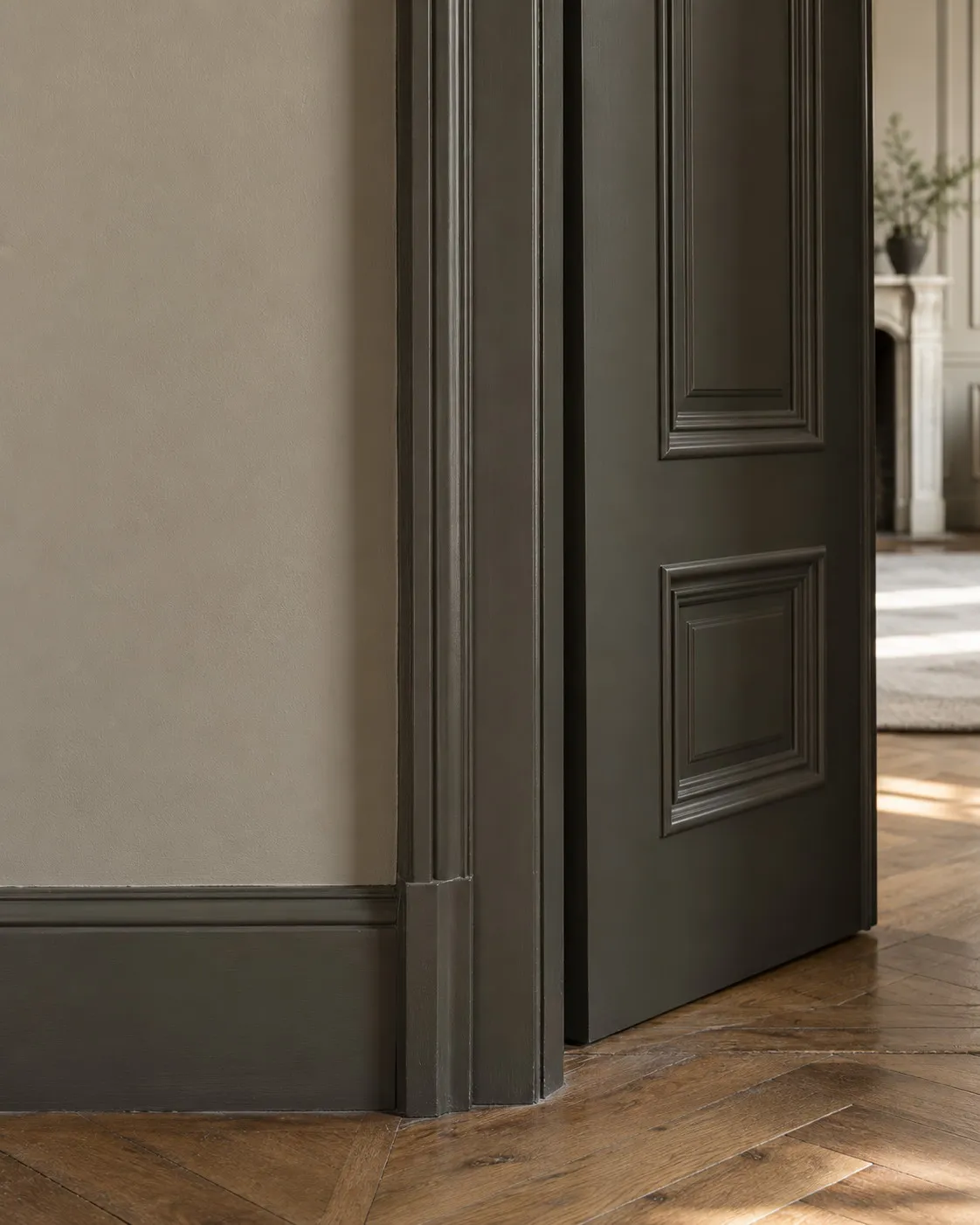
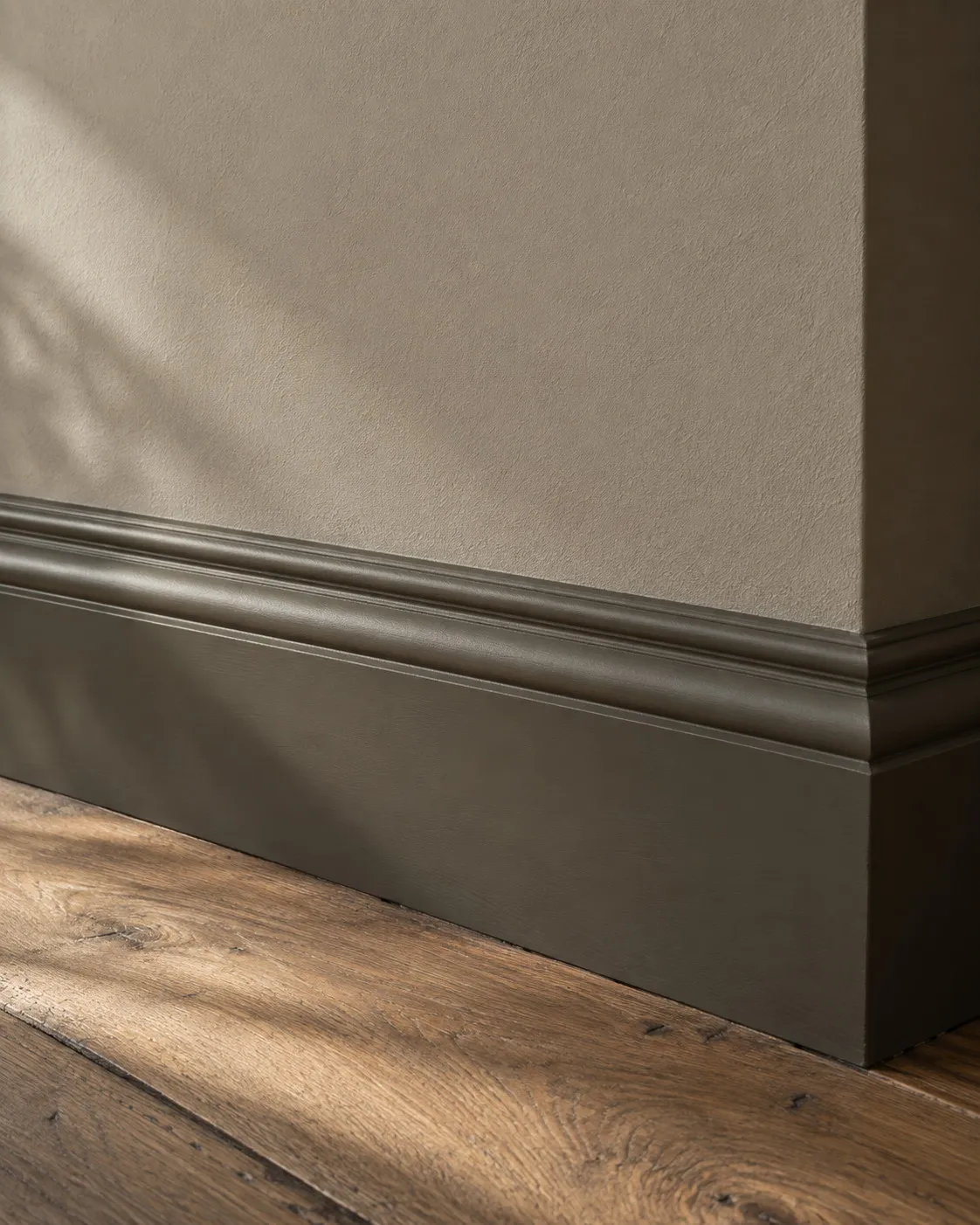
Not every surface deserves the same treatment, and it would be dishonest to claim otherwise. A high-end paint makes most sense in the rooms where you spend time and where the light shifts through the day: the living room, the dining room, a bedroom, the hallway that sets the tone for the house. That is where depth of colour shows, and where walls take the most wear.
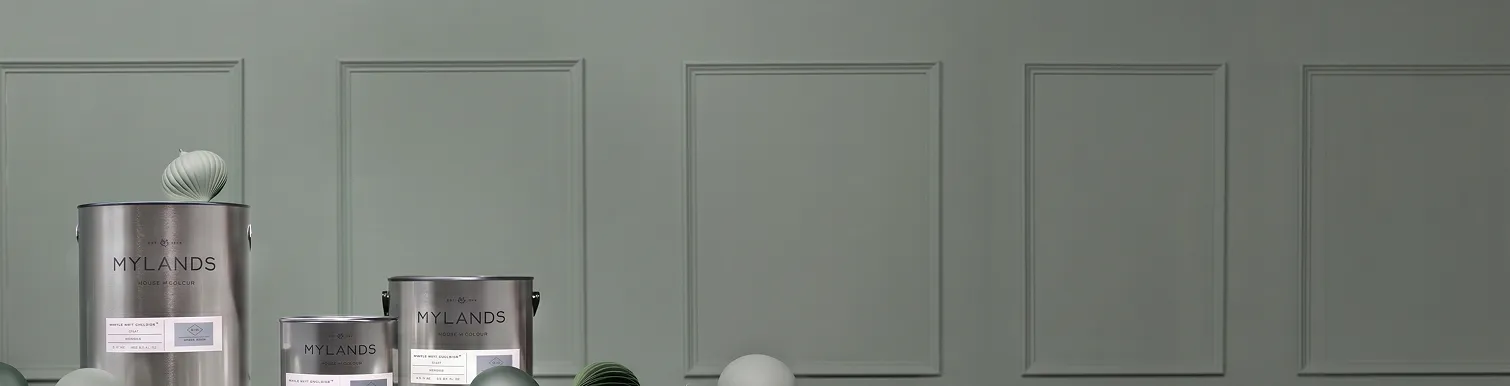
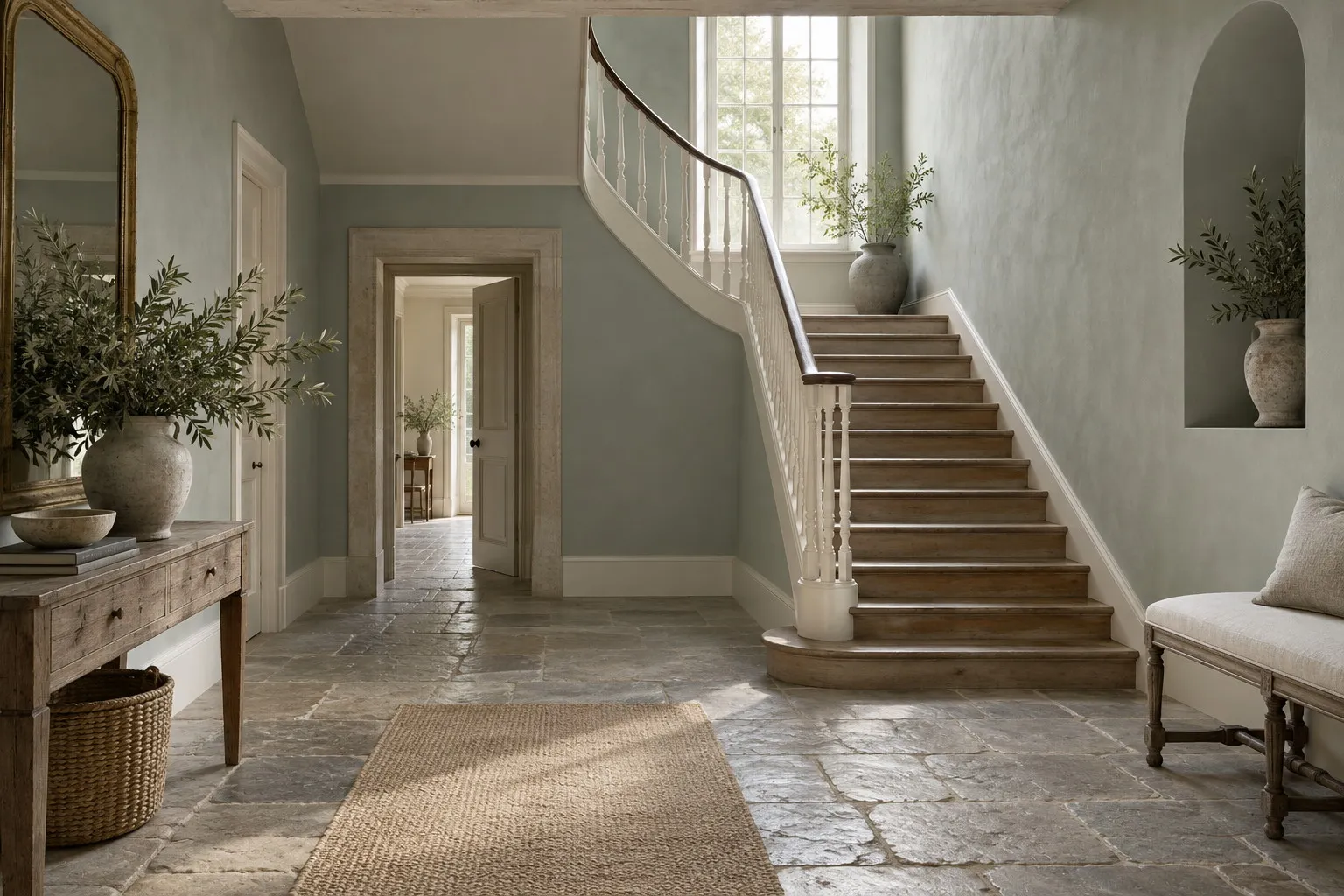
It also makes sense in old houses. An old wall, a lime render or original plaster needs to breathe, that is, to release the moisture it absorbs. The film of Marble Matt Emulsion is breathable and suitable for lime plaster, which few standard acrylics can claim. A deep matt has the added advantage of softening the irregularities of a wall that has lived. A shade such as Egyptian Grey No.154, a warm, historic grey, or Museum No.151, a smoky green borrowed from Victorian museums, sits there naturally.
And when a simple paint will do
Conversely, the ceiling of a utility room, the inside of a cupboard or a garage does not need a pigment-rich paint. A decent paint, applied cleanly, will do a perfectly honourable job. Better to concentrate the budget where the eye lands, and accept something simpler elsewhere. It is often that compromise, rather than a uniform choice, that produces the most successful interiors.
Three colours to judge for yourself
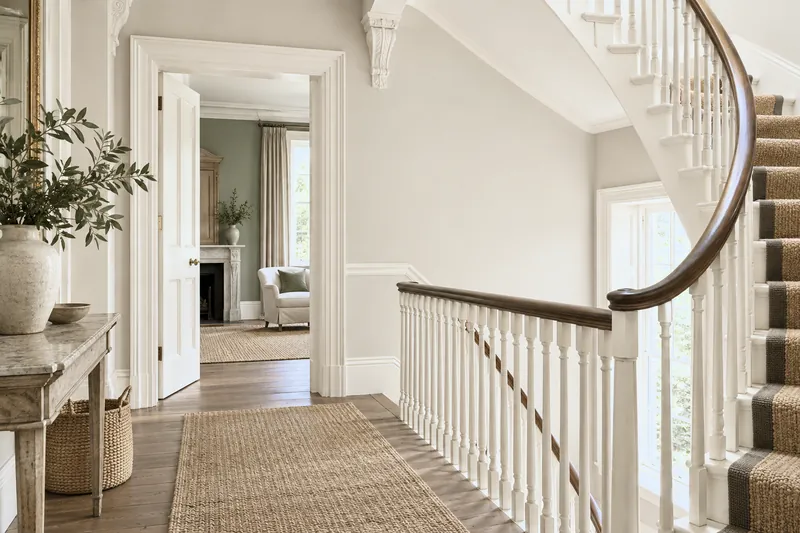
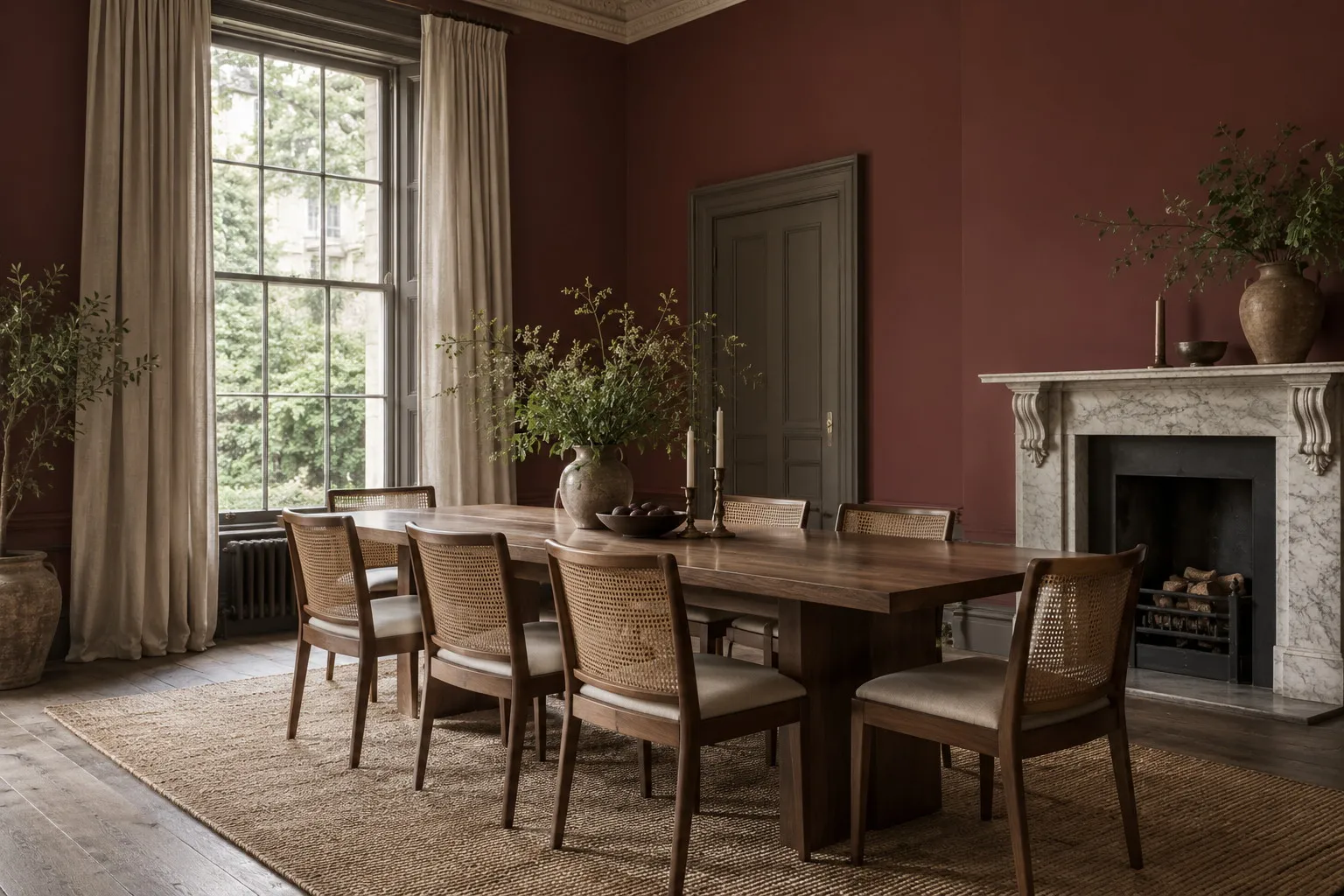
Nothing replaces a sample painted on the wall. To measure what a high-end paint really changes, choose one deep shade, one mid-tone and one pale neutral, and watch them at several times of day. Huguenot No.49, a sumptuous crimson from the archive, shows better than any argument how a red can move from velvet to rosy brown as the light turns. Museum No.151 lends itself to the same exercise in a gentler register. And Cadogan Stone No.59, a warm, crisp stone, reveals what a well-pigmented neutral brings compared with an ordinary white: substance, without ever weighing on the room. For woodwork, a soft dark such as Pub BH.08 frames all three with real presence. Our guide to how light influences colour will help you read your tests.
Where to start
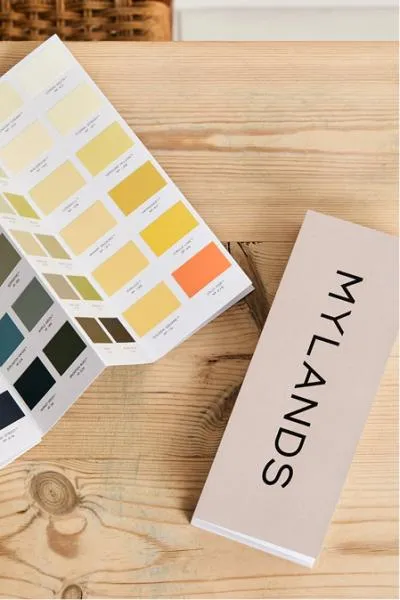
Order the physical colour card, sent free of charge, then two or three 100 ml sample pots: each covers around 1.5 m², enough for two or three patches on differently lit walls. Look at them morning and evening, over several days. Once the shade is settled, the price per square metre page and the calculator will tell you exactly what to order. The wall will tell you the rest.
Frequently asked questions
What separates a high-end paint from an ordinary one?
Pigment load, first of all: a high-end paint uses natural pigments dosed generously, which gives deep colours that shift with the light. Then the density of the film, reinforced at Mylands with crushed Carrara marble, and finally consistency of manufacture, with every tin made, tinted and checked in a single factory.
Does a high-end paint really cover better?
Yes, provided it is properly loaded with pigment. Marble Matt Emulsion covers around 15 m² per litre per coat, and two coats are enough in most cases. A less opaque paint often needs three, which cancels out a good part of the apparent saving on the price of the tin.
How should I compare the price of two paints?
Per finished square metre, never per tin. Divide the price of the tin by the area it actually covers in two coats, using the coverage stated on the datasheet. Add the labour: one coat fewer on a living room is half a day. Mylands prices are shown live on the site, together with that price per square metre.
Is a high-end paint healthier indoors?
All Mylands decorative paints are water-based, low VOC and compliant with the EN 71-3 toy-safety standard, which makes them suitable for children's rooms and furniture. They are low odour, dry quickly and brushes wash out in water. The indoor air emissions class is printed on each tin and datasheet.