The journal
How to Choose a Front Door Paint
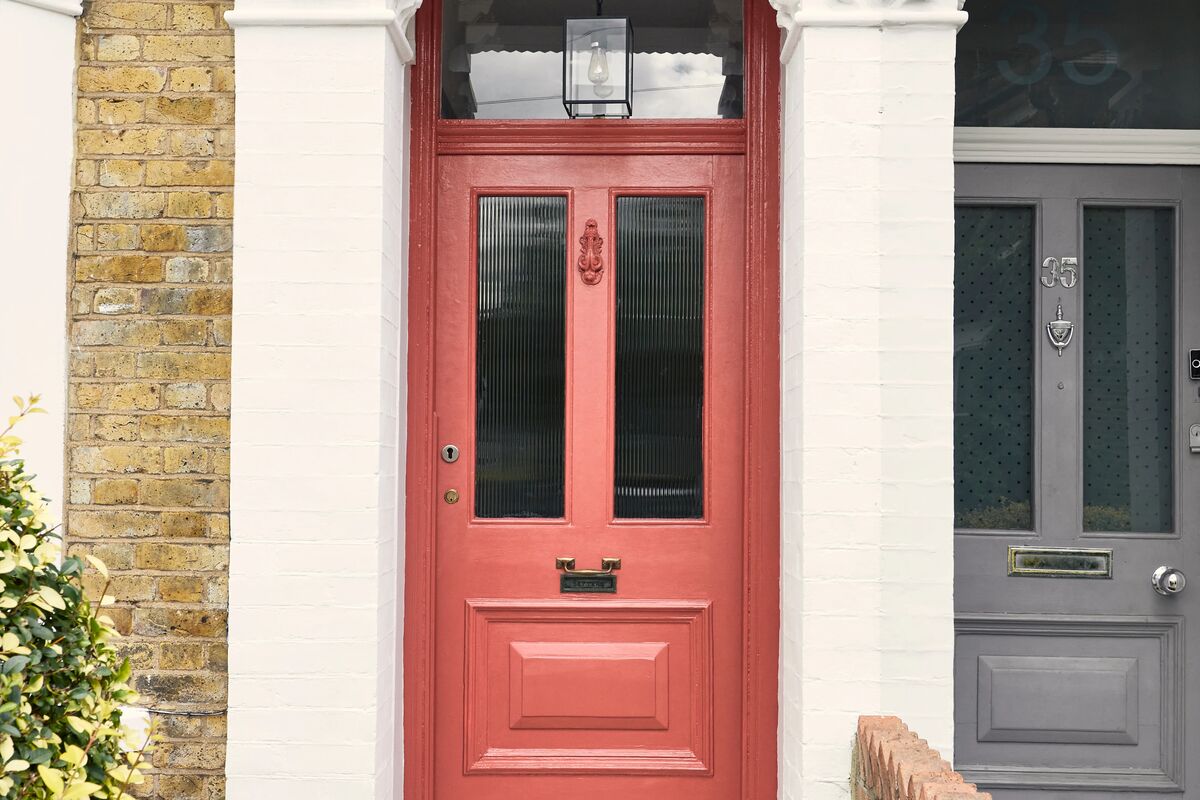
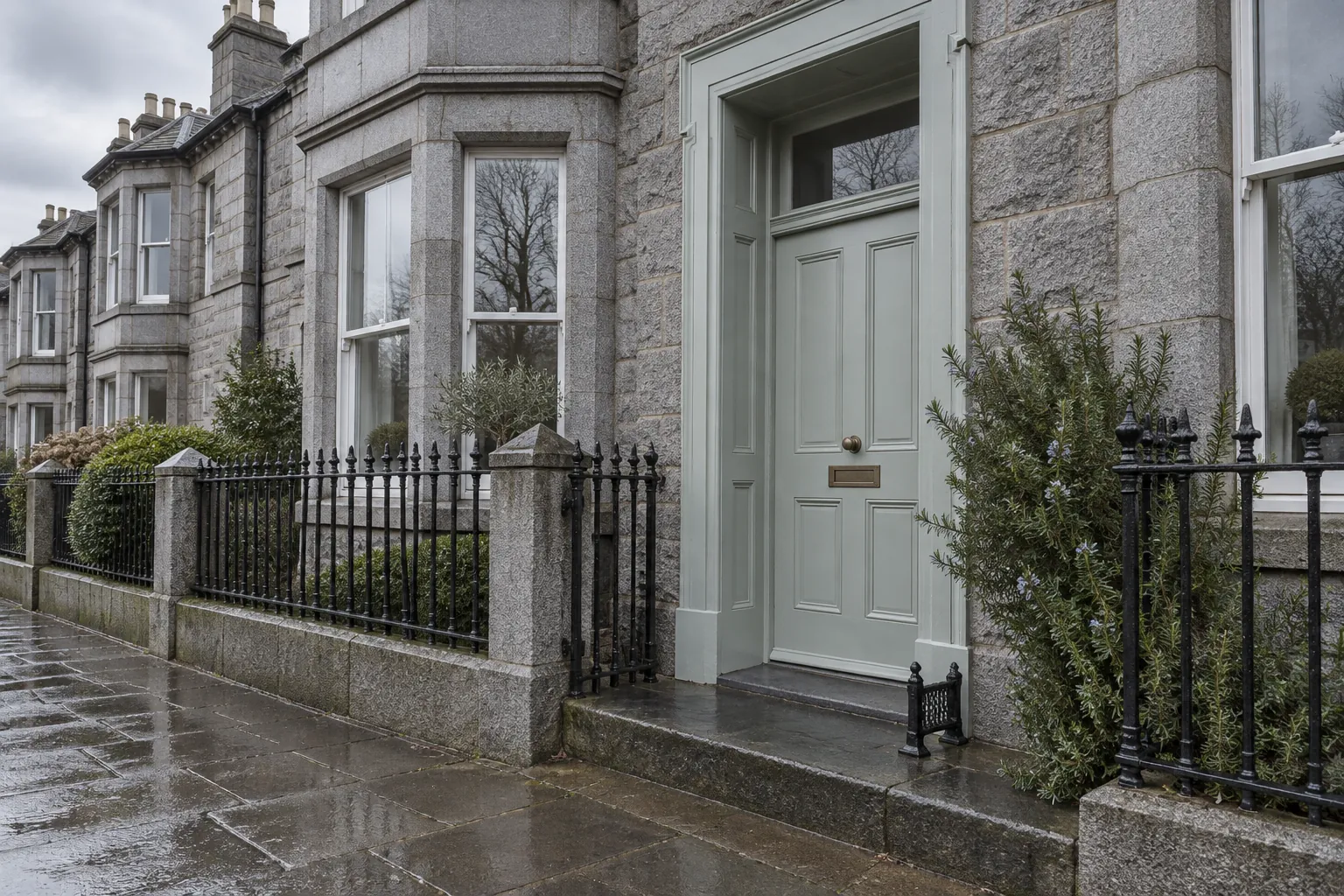
The grandeur of a Victorian home calls for a front door colour that flatters the building. Get the colour and finish right and your front door will let your style and personality shine. Finding a shade that complements the house can be tricky, especially as Victorian properties tend to carry plenty of architectural detail and tonal variation in their materials.
The grandeur of a Victorian home calls for a front door colour that flatters the building. Get the colour and finish right and your front door will let your style and personality shine. Finding a shade that complements the house can be tricky, especially as Victorian properties tend to carry plenty of architectural detail and tonal variation in their materials. For every homeowner, the front door is the first thing visitors see, so choosing the right colour and applying it well creates real wow factor and lifts your spirits each time you come home.
How to create a stylish front door for your Victorian home
Beautiful homes begin at the front door, so how do you pick a colour that complements the building and reflects your personality while still feeling like a bespoke entrance? With more than 172 stylish door shades and four decorative finishes, you can find a unique front door look that stands out from the crowd. Our colours run from the softest whites and warm neutrals through to lime green and deep purples, so there's a front door colour for every taste and every period property. Mylands CEO Dominic Myland says his experience shows that people tend to use "colour on their door when they have been more traditional in their interior design," either to "contrast the period style or to give it a personal stamp."
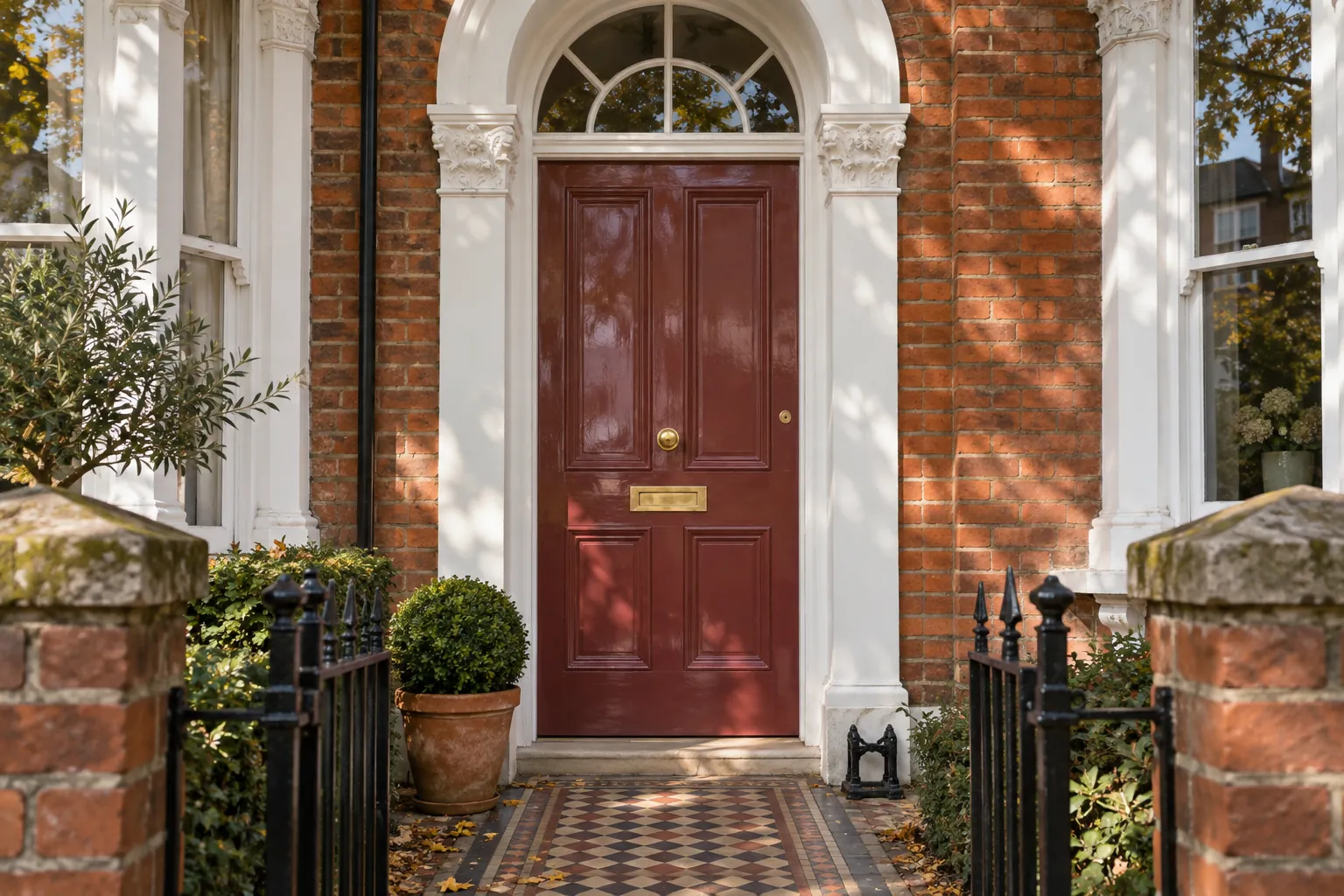
One of the main things to weigh when painting a period front door is the colour of the surrounding brickwork. If your home is red brick, a strong colour may be needed so the door doesn't lose its impact. If the brick or paintwork is light, you might soften the door colour so the result feels harmonious.
Front door designs, glazing in particular, can also shape your colour choice, especially with stained-glass panels, where picking out a complementary colour may lead you to combinations you'd never considered. The finish makes a dramatic difference too. Full gloss suits rich, dark colours, while an eggshell finish tends to be more in keeping with a period property for softer, paler shades. Daylight also affects how we read colour, making it appear a few shades lighter, so you can afford to go bolder outdoors than you would inside.
Unique door colours for a Victorian house
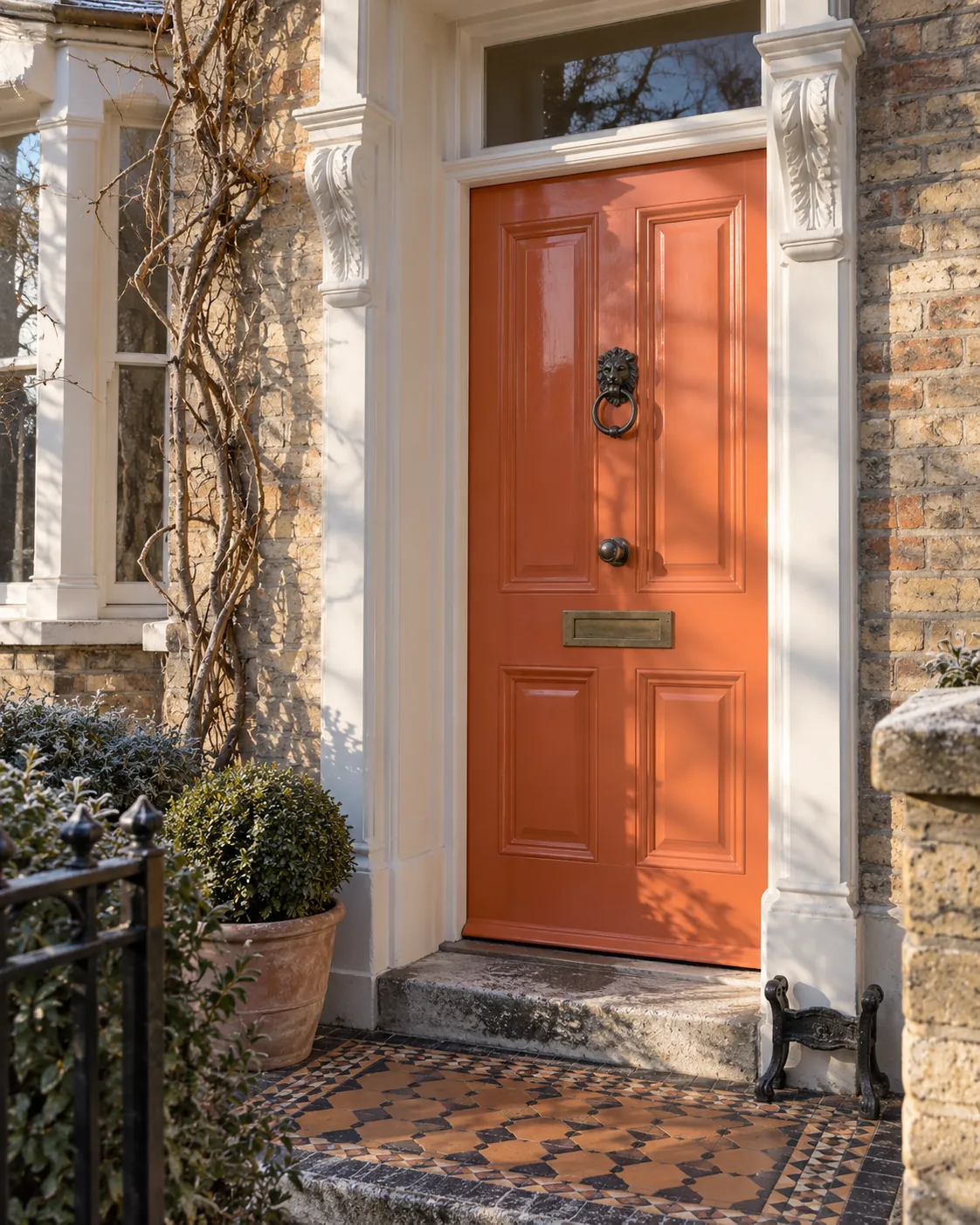
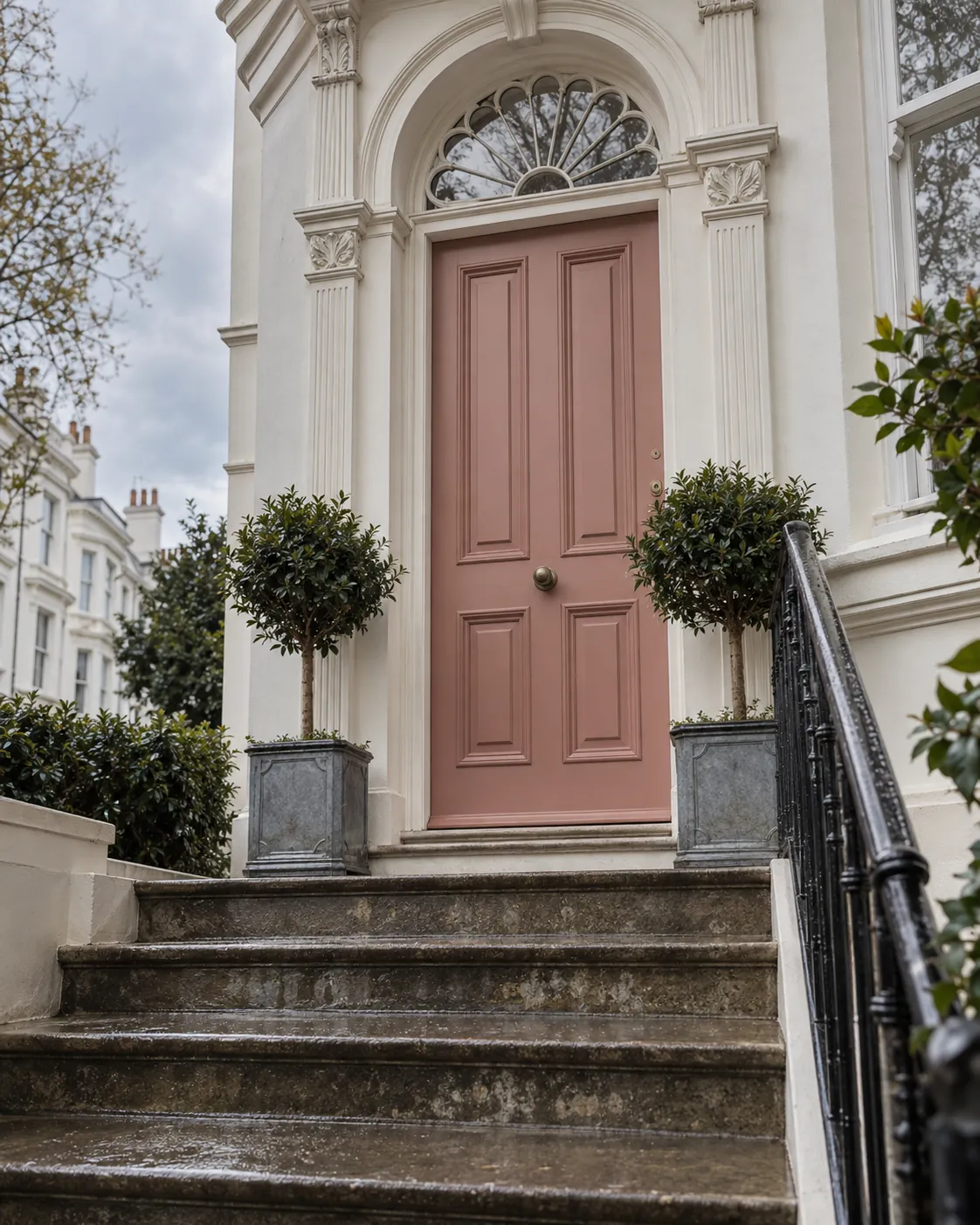
For a statement door that contrasts the period style, consider Haymarket No.47, a dusty mustard-yellow that plays well against darker shades; Lolly Pop No.275, a bright orange that adds a pop of colour; Mortlake Red No.290, a dusty pastel pink with a slight terracotta undertone for a muted yet individual mood; or even a striking warm lime green such as New Lime No.149 for an eye-catching result, in all the right ways.
Traditional colours for a period front door
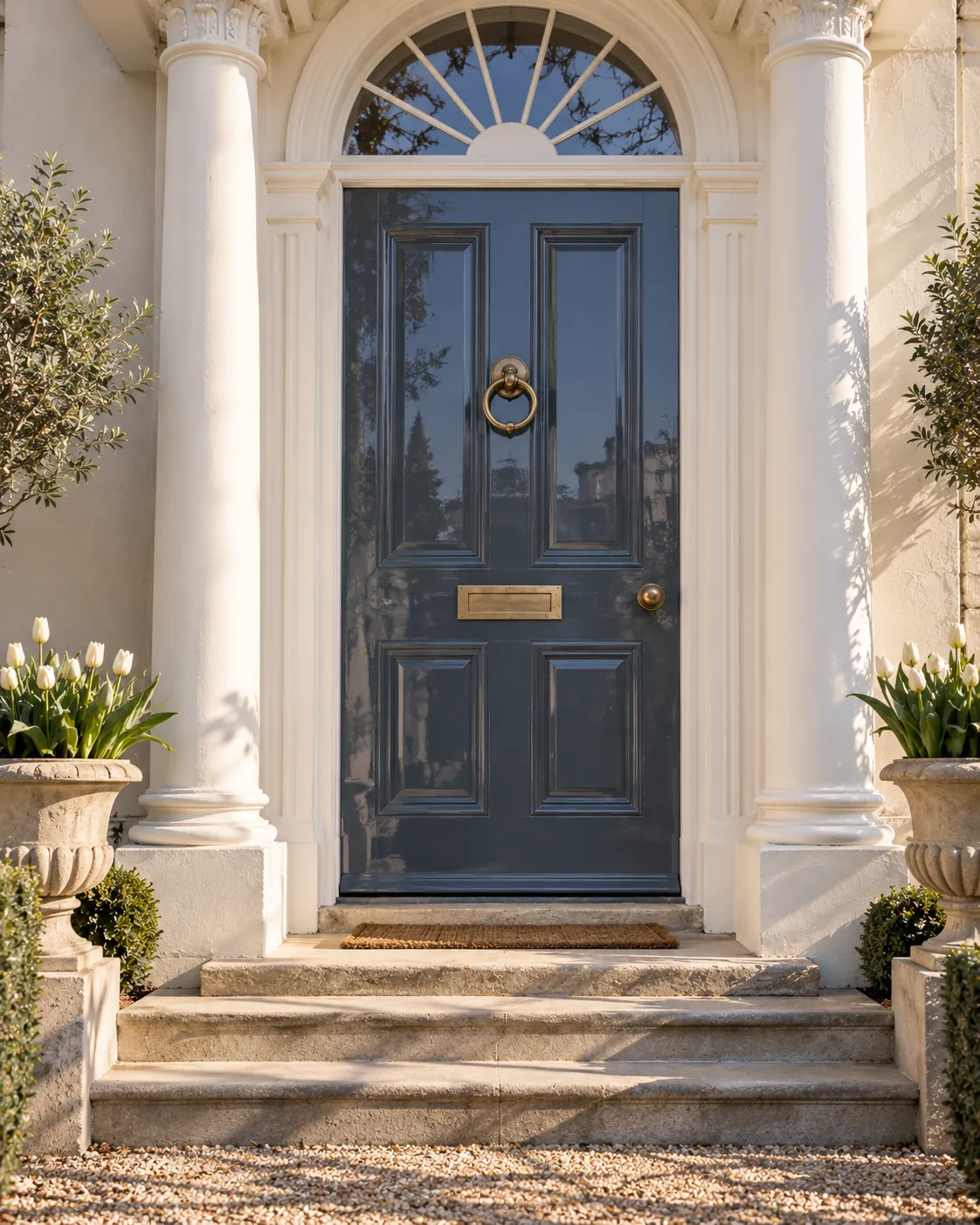
Because Victorian paints were made with natural earth pigments, they lacked the range available today. The most popular hues for period houses are blues like Bond Street No.219 and Oratory No.237, an elegant dark green-blue such as Market Green No.38, or an iconic black door like Downing Street No.10, named after the UK's most famous front door.
The best way to test paint colour for a front door
Dominic's top tip is to paint a sample onto a surface such as cardboard or wood and then pin it to the door. Painting straight onto the door risks the existing colour and finish distorting the shade and finish of your test patch.
How to paint the perfect finish on your wooden door
A beautiful door is a joy to behold, but as with most things it's the preparation that determines a finish that both looks great and lasts. An original Victorian door may carry many layers of paint. First remove any door furniture, then sand the surface as smooth as you can to iron out lumps and bumps. Wipe the door with a damp cloth so no dirt or dust gets trapped under the paint. Fill any dents or chips with wood filler, sand again for a smooth surface, and you're ready to paint.
Always use a good-quality primer for the best results. Our Wood Primer and Undercoat range comes in five shades and is specially formulated to work in harmony with our Plant-Based Multi-Surface Paints. Apply two coats of this fast-drying primer and you're set to go with your chosen colour.
Because Mylands paint is very thick, we recommend an acrylic brush, and a roller where possible, for the best coverage, applying two coats for longevity. Remember to prepare and paint the door frame too for maximum impact.
Why choose Mylands paint for your front door
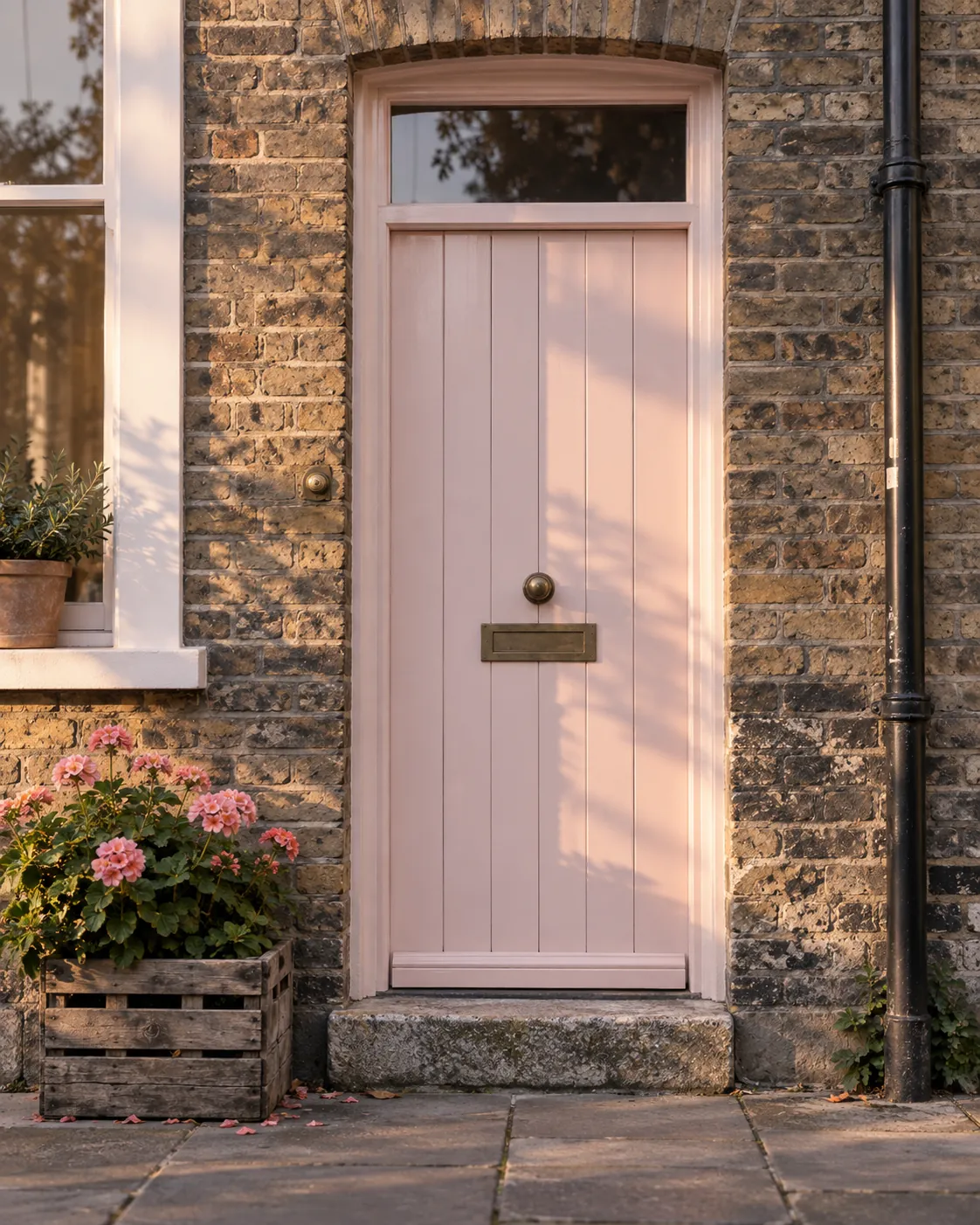
Mylands brings over 135 years of paint expertise and makes low-VOC, highly pigmented luxury paints for interiors and exteriors. We are one of the last remaining UK paint manufacturers to use only natural earth pigments, which are not only beautiful but kinder to the environment. Our heritage range suits many period styles, from Georgian and Edwardian homes to mid-century and modern properties.
Our eco-friendly Plant-Based Multi-Surface Paints are perfect for front doors and, applied correctly, can last a lifetime, helping you achieve a stylish front door to be proud of.