
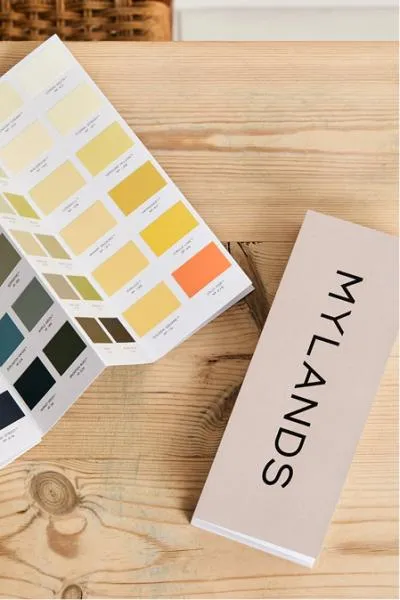
01
The woodwork white
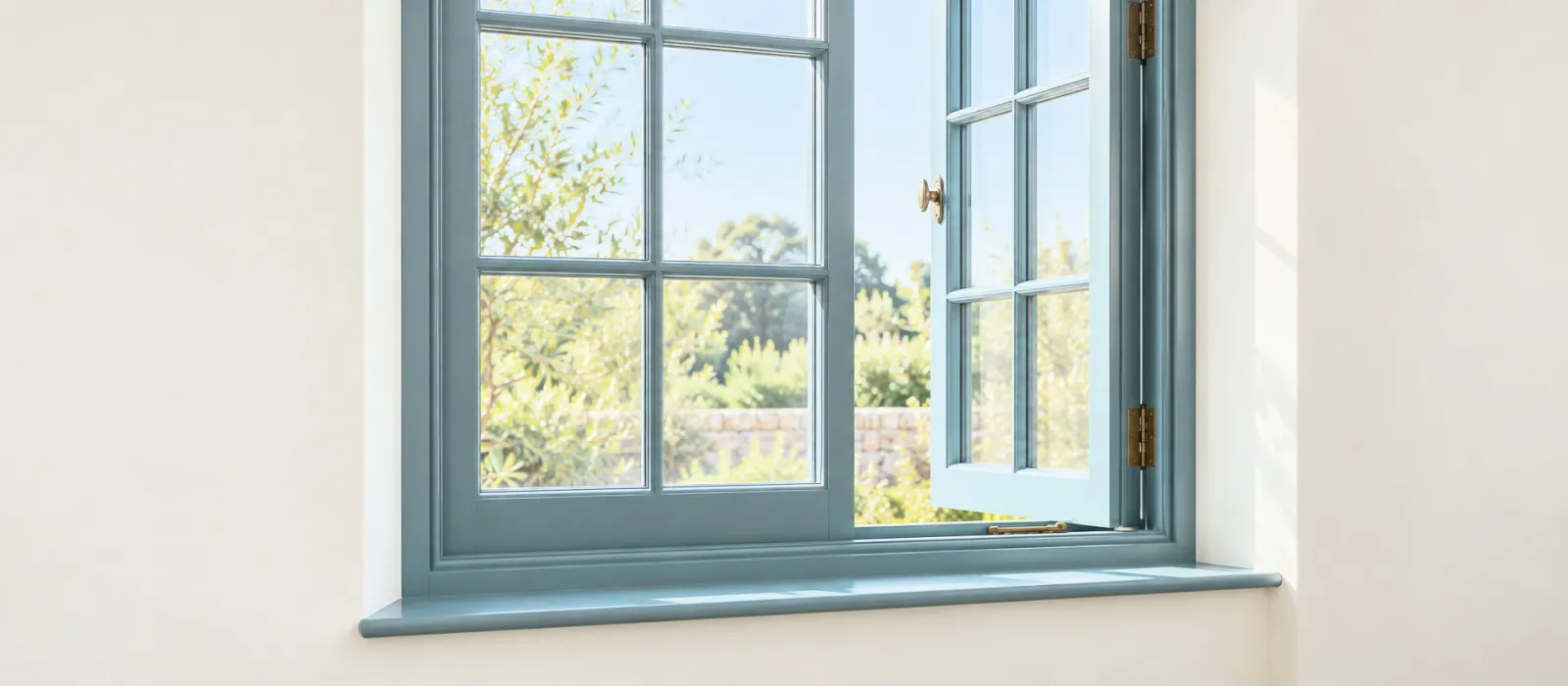
The classic choice: the window in the white of the skirting and doors, an off-white rather than a pure one, so it does not cut against the wall.
Menu
How To
Design Advice
Customer Service
My account
Help with paint How-to guides
A wooden window is painted in order: glazing bars, then the rails, then the stiles of the casement, then the frame — in thin coats of Multi-Surface Eggshell or Satin over a primer wherever the wood is bare, and it is left ajar until fully dry so it does not stick. Outside, the same finish holds: Mylands multi-surface finishes are formulated for interior and exterior use. Allow a day per face for two windows, putty included.
Page updated September 2026 · by the Mylands France colour team
Before you start
Run your hand and a fingernail over the whole window, outside and in. Sound paint that holds: wash, light sand, two coats. Paint flaking in sheets: scrape to sound wood on those areas, prime, then the two coats. Grey wood, soft under the nail, putty coming away: that is a repair before it is a paint job — replace the putty, treat or replace the rotten parts, let the wood dry. A window is painted dry, in dry weather, above 10 °C, never in direct sun.
Inside, Multi-Surface Eggshell gives a soft sheen; Satin, a little shinier, resists the condensation of a kitchen or bathroom better. Outside, Satin or Gloss: the higher the sheen, the better the film resists rain and UV. All are water-based, recoatable after 3 to 4 hours, and exist in every colour.
The method
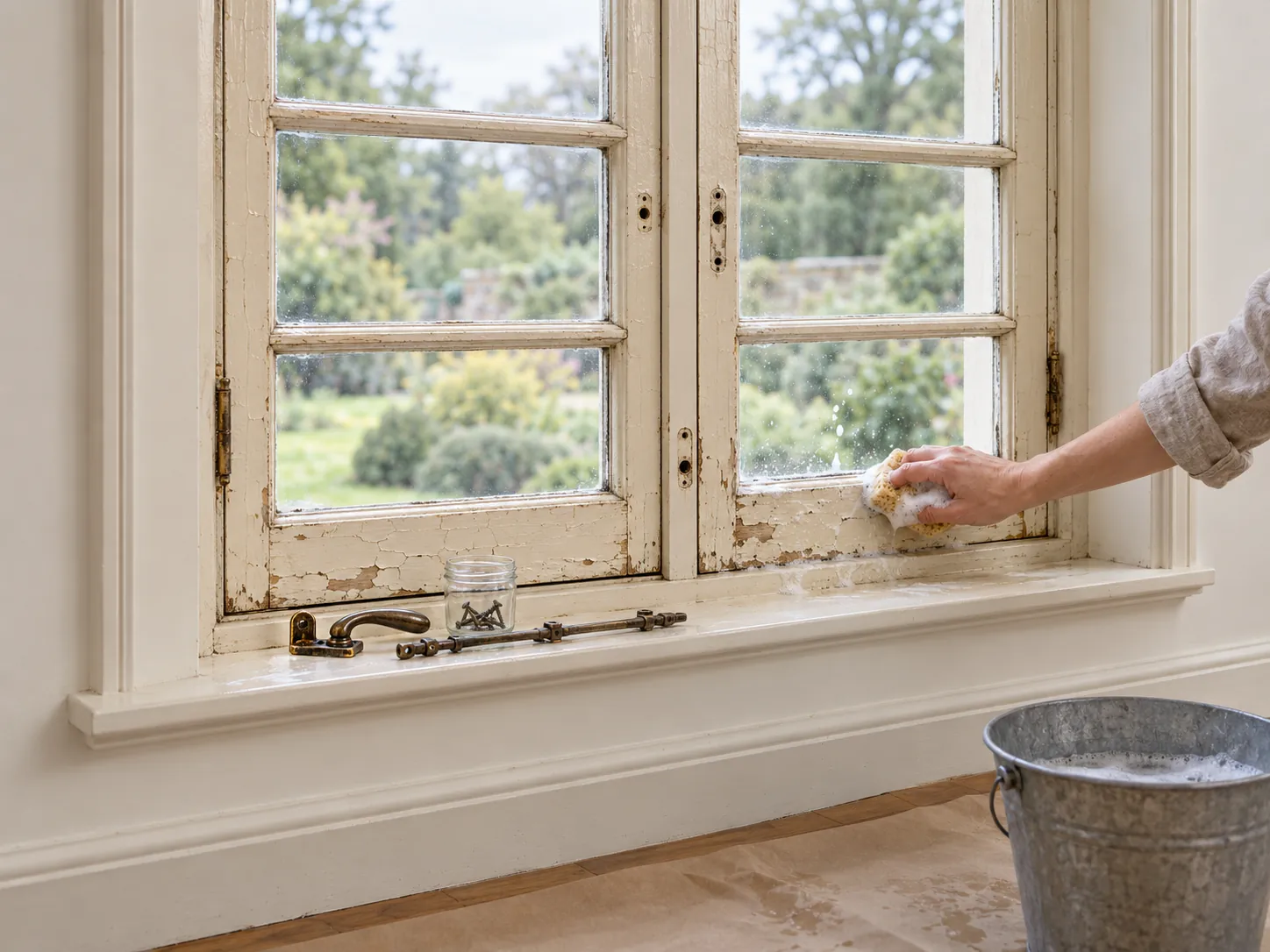
Espagnolette, handle, catches: whatever unscrews, unscrews. Wash the wood with mild detergent — windows collect pollution and, in a kitchen, grease — then rinse and let dry.
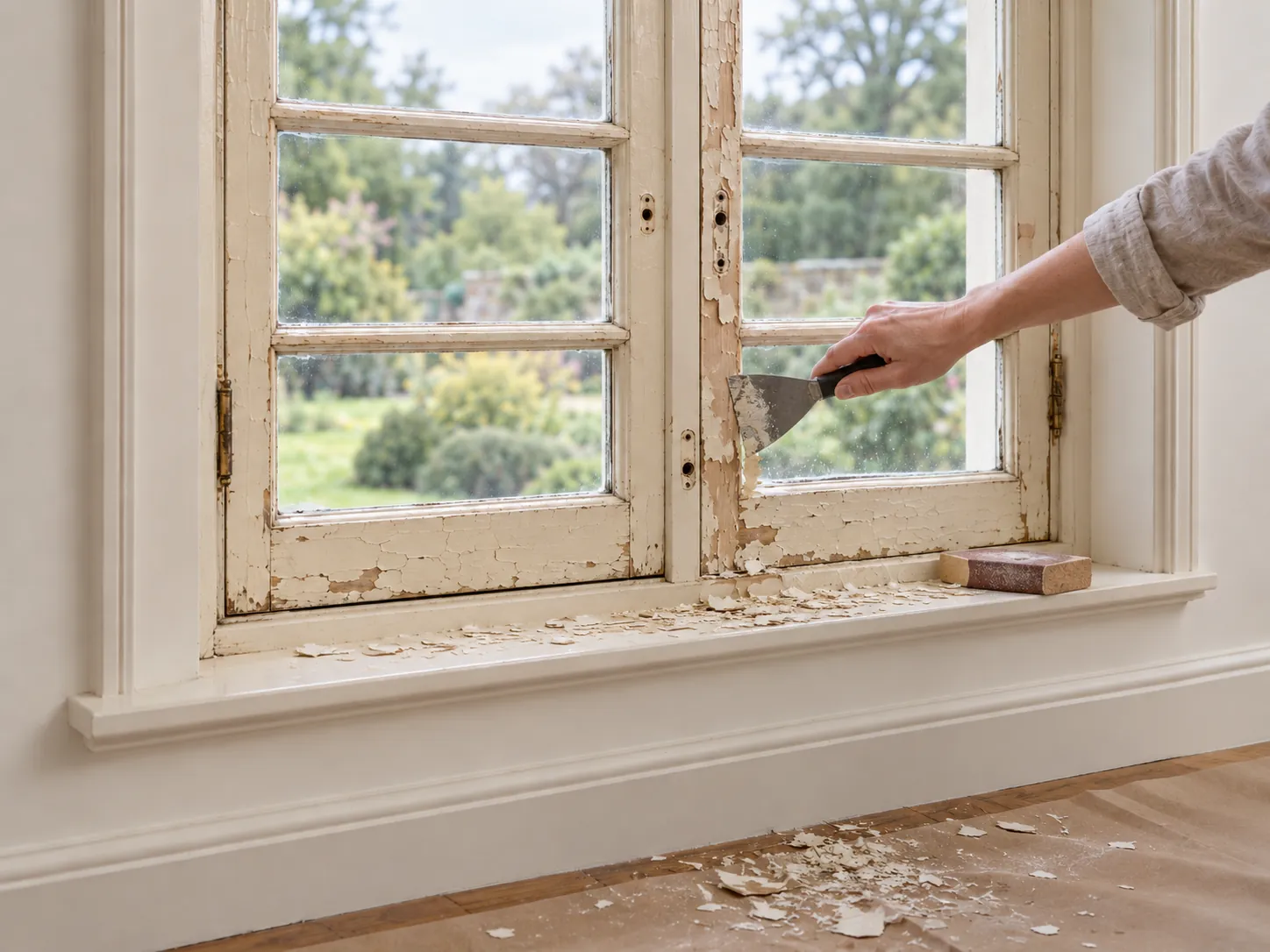
Triangular scraper on everything that flakes, down to sound wood. Sand with 120 to feather the edges of the old coats, then with 180 over the whole window, along the grain, to dull and give a key. Slightly round the sharp arrises: paint holds better there. Dust off with a damp cloth.
Replace missing or cracked glazing putty (linseed putty, left to skin for a week before painting, or acrylic putty, paintable in 24 hours depending on the product). Fill cracks in the wood with exterior wood filler; seal knots with knotting solution. Sand the repairs once dry.
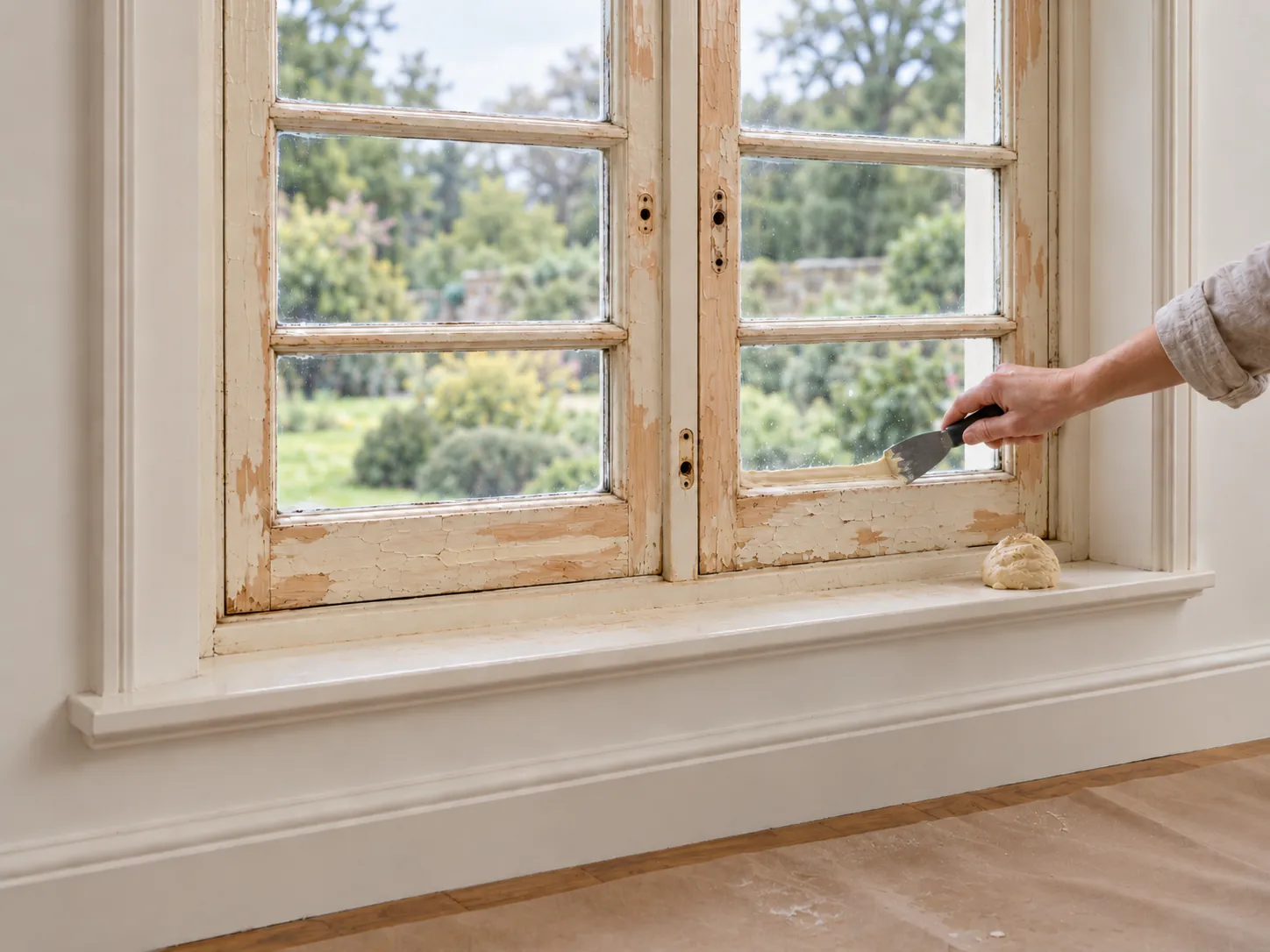
One coat of Multi-Surface Primer on every bared patch, on new putty and on the repairs — on the whole window if it is new or stripped. Recoatable after 3 to 4 hours; a rub-down with 240 after. On sound, well-sanded old paint, no primer.
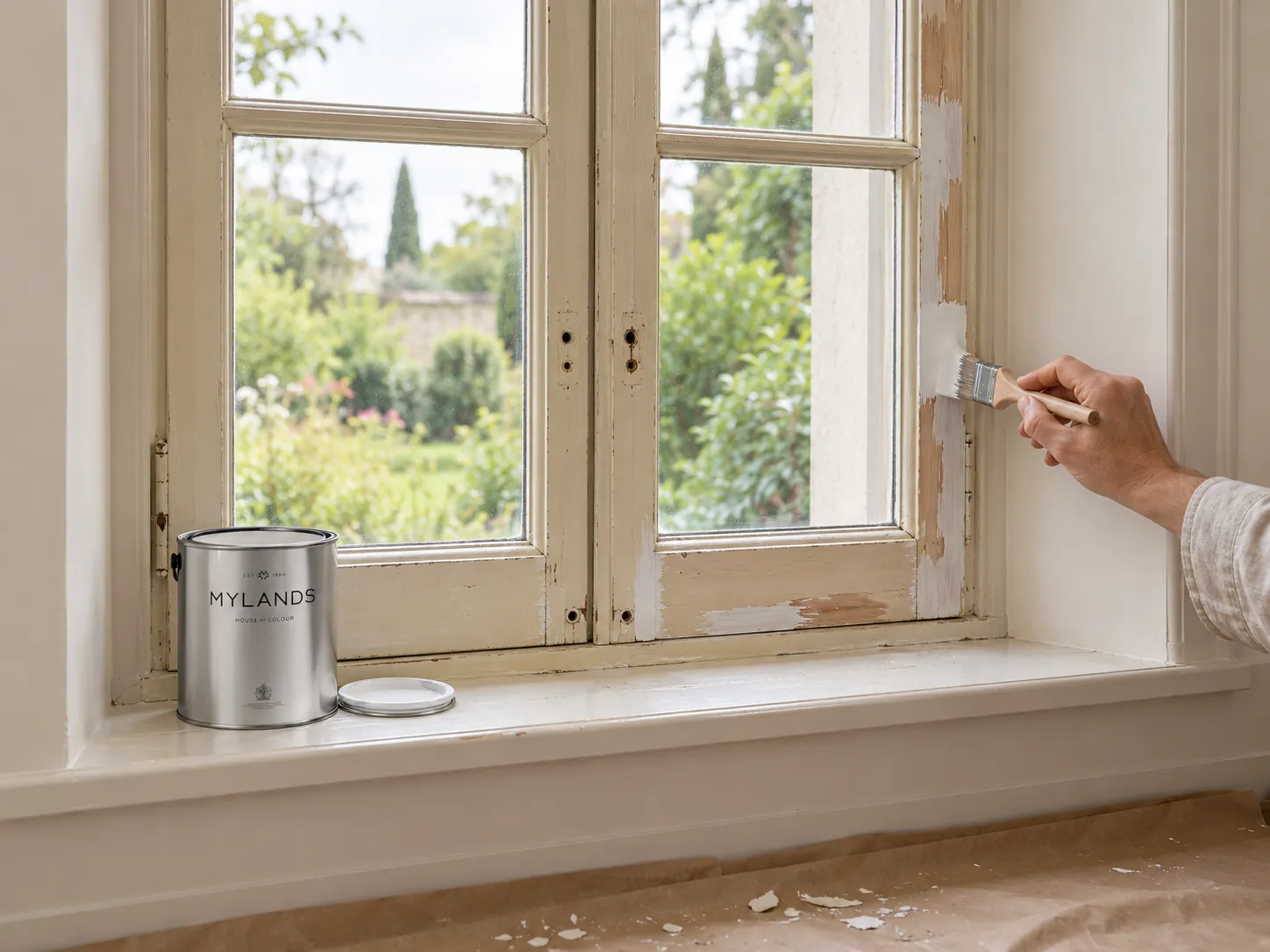
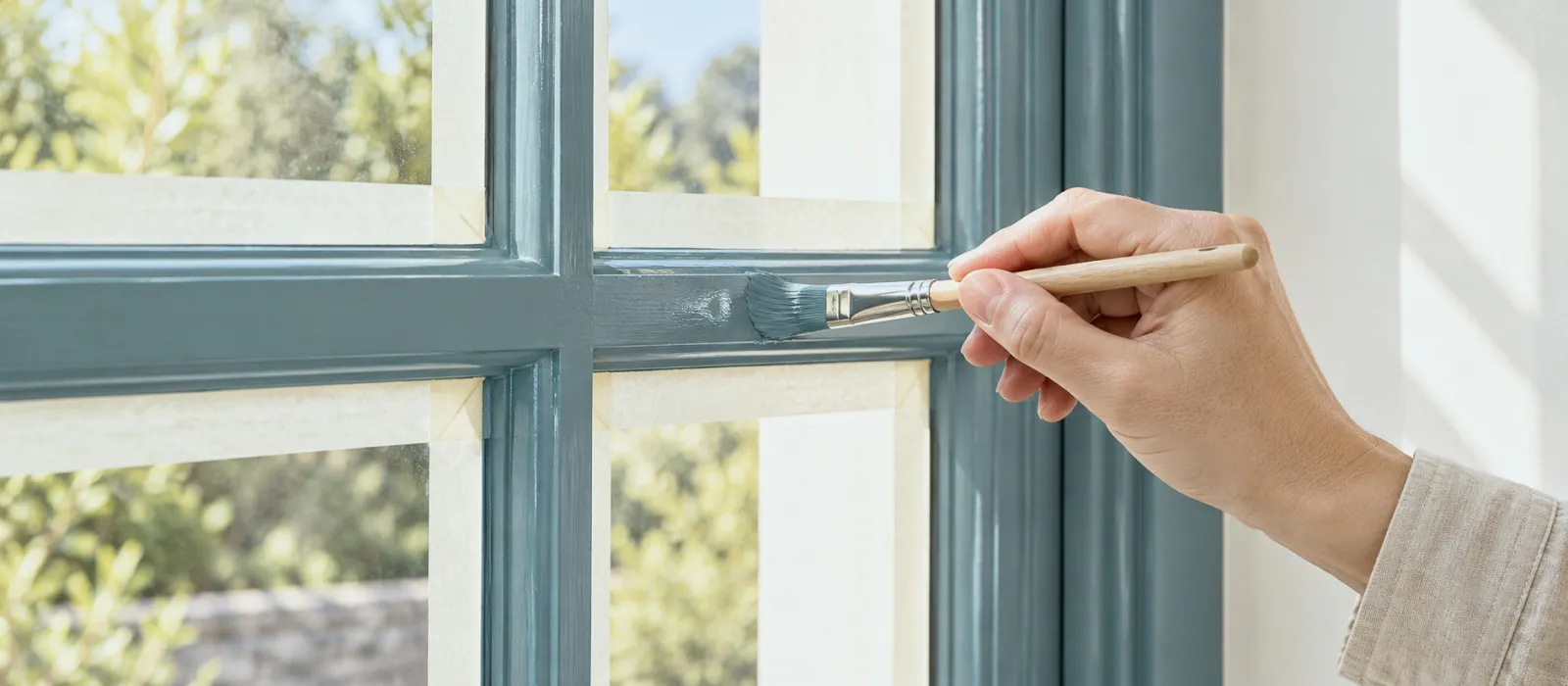
Two schools. Masking tape on the pane, 1 mm from the wood, removed before fully dry; or, quicker for a steady hand, paint freehand letting the paint run 1 mm onto the glass — that millimetre seals the joint between putty and pane against water — then tidy with a razor blade once dry. Glaziers do the second.
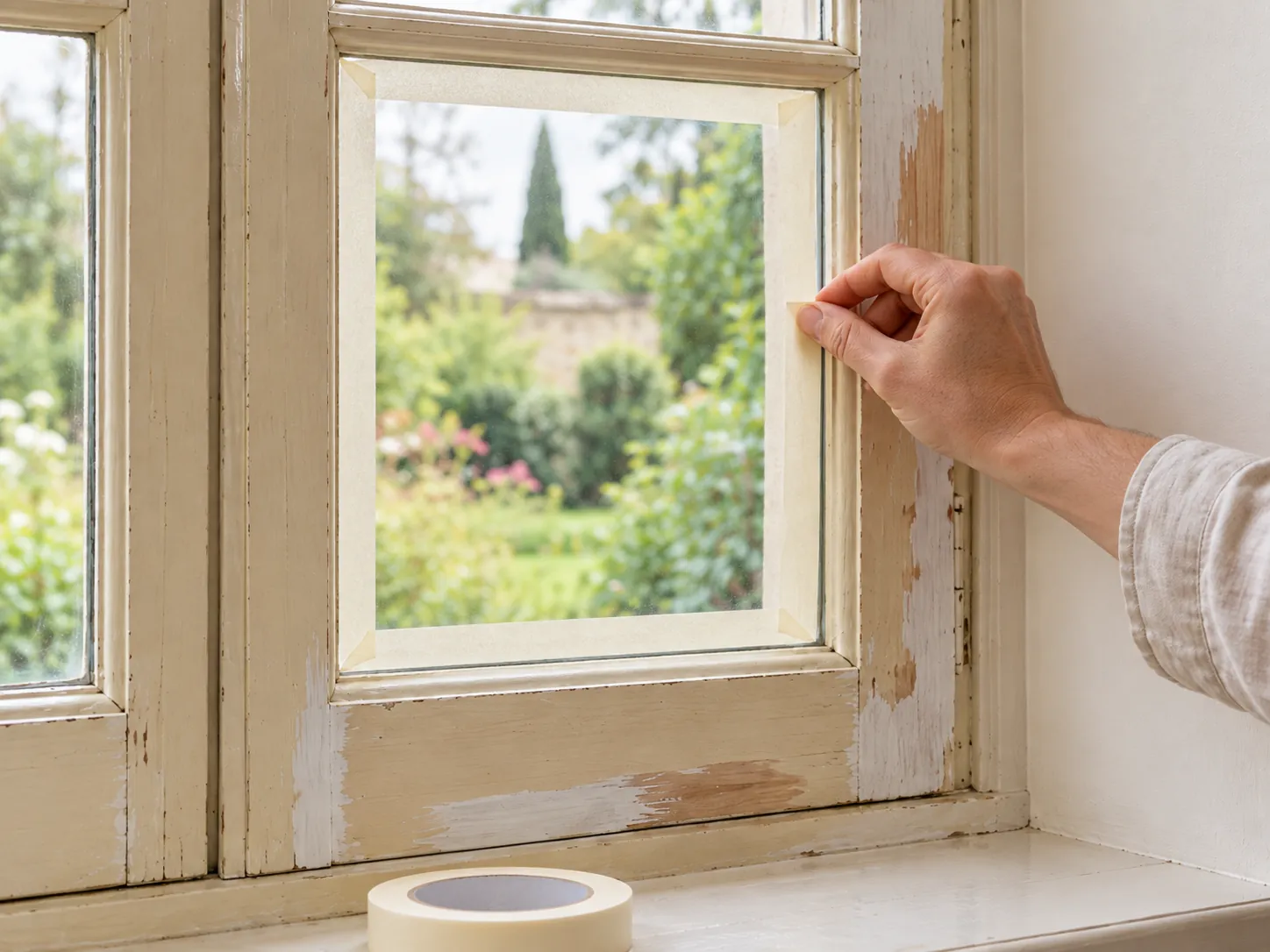
Always from the smallest to the largest and from the inside out: the glazing bars with the 25 mm brush, then the horizontal rails of the casement, then its vertical stiles, drawing the paint along the grain and laying off each piece in one direction. Thin coats: a thick coat runs into the corners of the glazing bars.
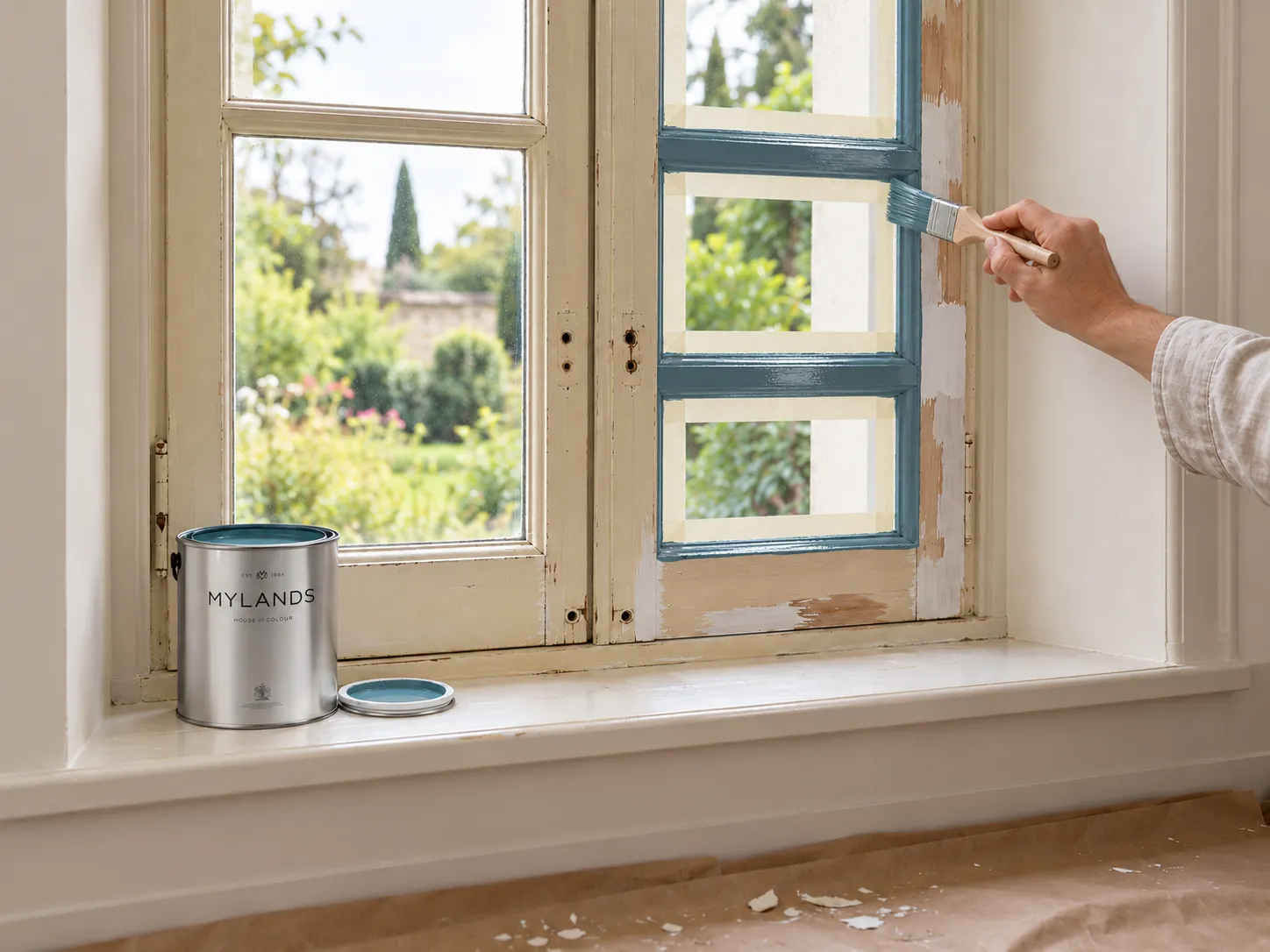
The fixed frame is painted after the casement: rails then stiles, then the sill. Open the window to paint the rebate (the part of the frame the casement covers) and the edges of the casement — those are what stick if forgotten or overloaded. Second coat everywhere after 3 to 4 hours.
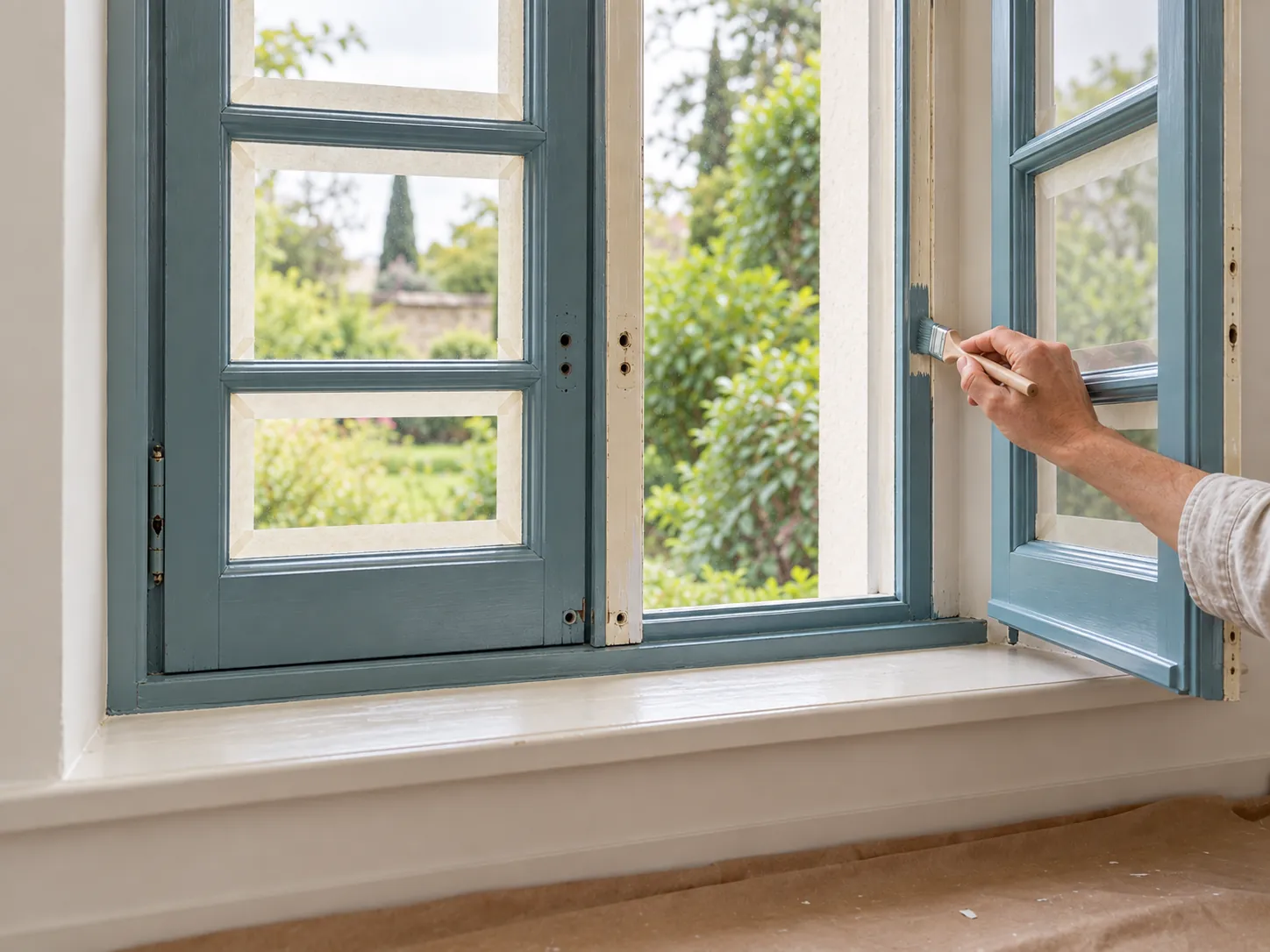
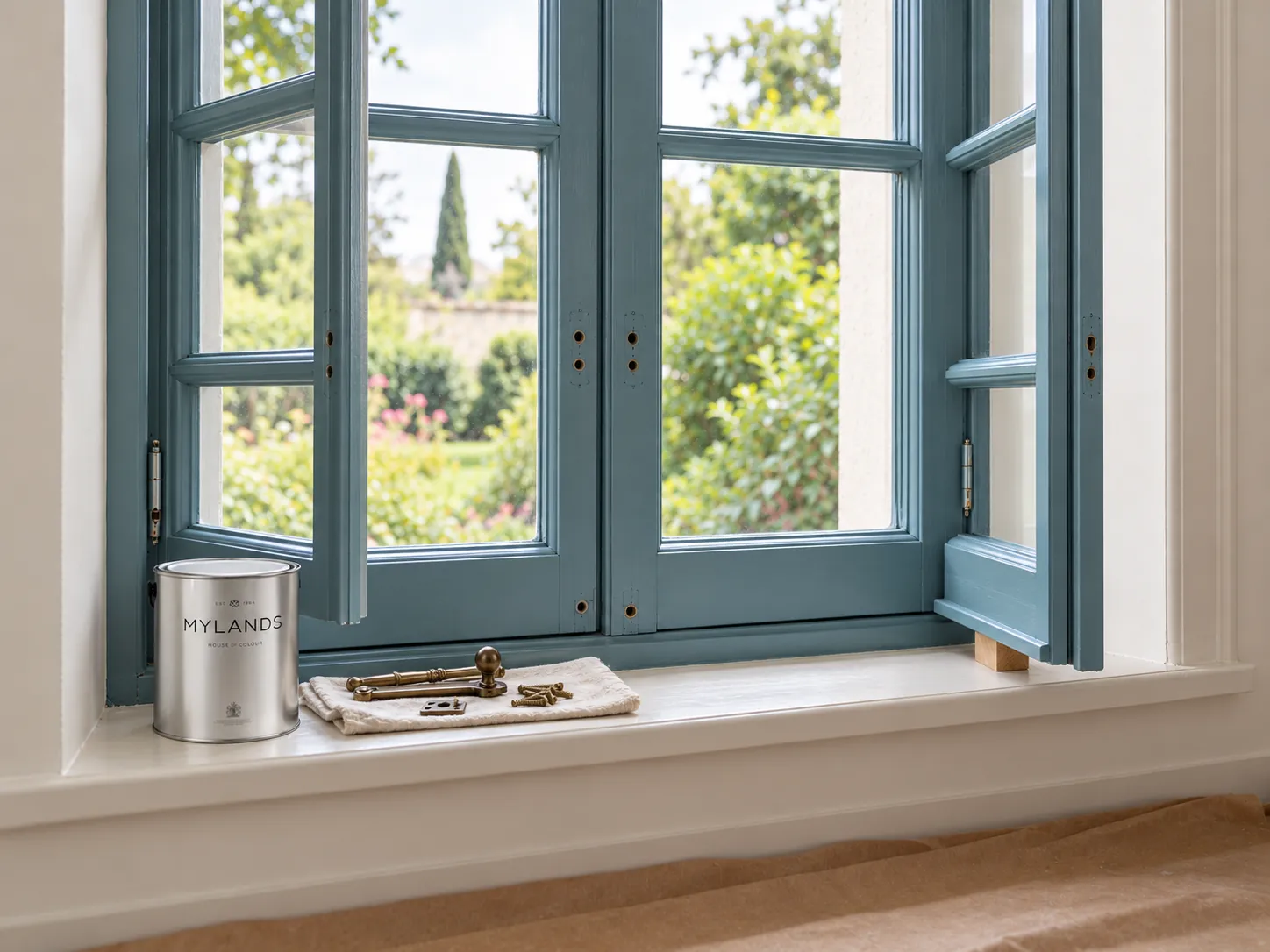
A window closed on fresh paint is a stuck window. Leave it ajar, wedged, at least until the next day; refit the hardware after. The film hardens in two to four weeks: during that time open and close gently, and rub a little candle wax on the edges if it catches.
Reference
| Inside face | Outside face | |
|---|---|---|
| Finish | Eggshell (sitting room, bedroom) or Satin (kitchen, bathroom) | Multi-Surface Satin or Gloss: the sheen protects from rain and UV |
| Primer | Multi-Surface Primer on bare wood | Multi-Surface Primer wherever wood is bare, and on the bottom edges, the most exposed |
| Weather | Above 10 °C, ventilated room | Dry for 24 h, no rain forecast, never in full sun or a damp late afternoon |
| Upkeep | A gentle wash once a year | Inspection every spring: a chip touched up at once saves redoing everything |
| Lifespan | Ten years and more | Five to eight years depending on exposure; south and west faces age faster |
Shutters follow the same method; their colours are in Colours for shutters. For all exterior woodwork: Painting outdoor woodwork.
The colour
01
The classic choice: the window in the white of the skirting and doors, an off-white rather than a pure one, so it does not cut against the wall.
02
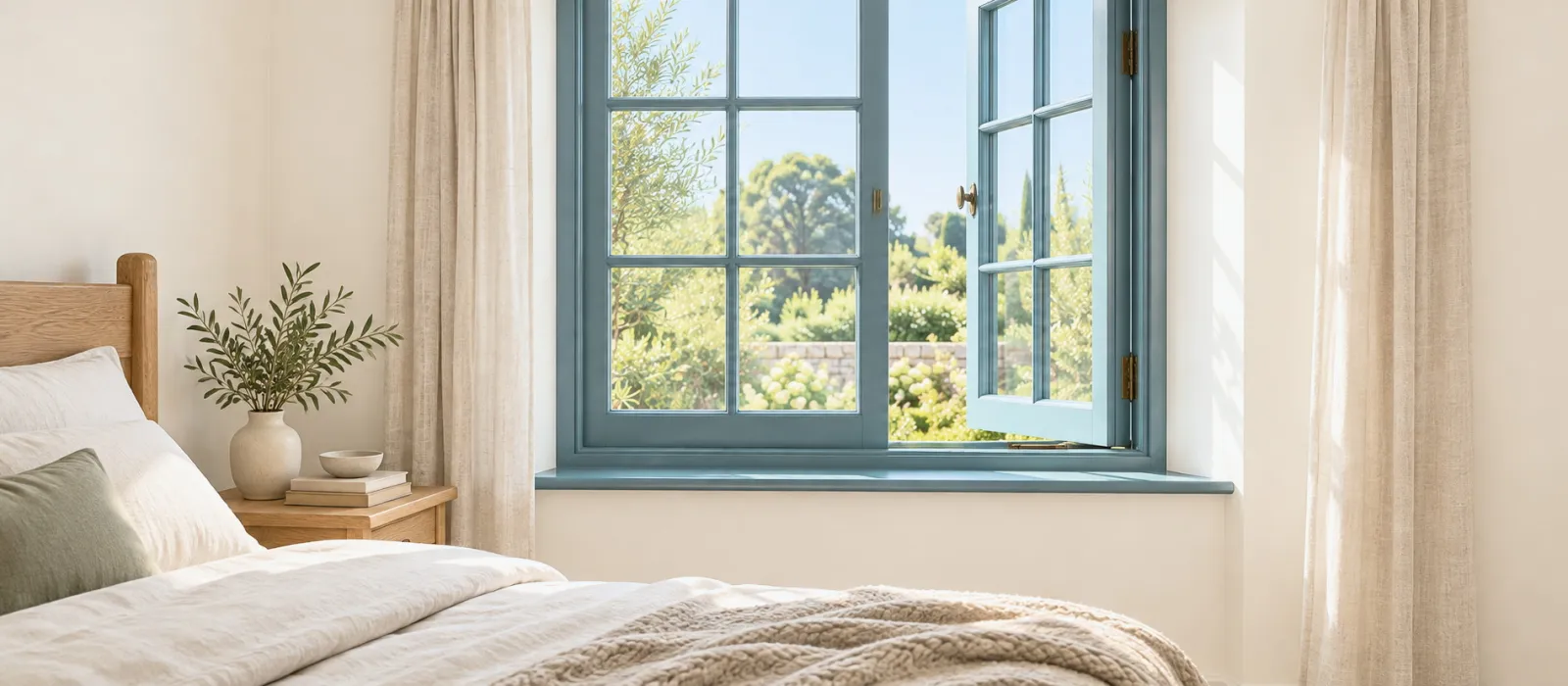
A window gets all the light: a colour always looks livelier there than on a wall. A mid blue-green on a light wall frames the view like a picture.
03
The window in the wall's shade, in Eggshell: it disappears and the wall looks bigger. The rule of colour drenching.
04
An almost-black grey-blue on the window, like a studio frame: it cuts out the view and makes the light stand out. Outside, the same shade in Satin.
To avoid
Frequently asked questions
No, if the old coats hold: scrape what flakes, sand the rest. Strip completely only if the build-up of coats stops the window closing, or if the wood needs repair. A window painted before 1990 may carry lead paint: wet-sand, with a mask.
A uPVC or powder-coated aluminium window can be painted with a primer suited to those surfaces, then the multi-surface finish; the result depends mostly on the primer. Check the technical sheet, and test on an inconspicuous face.
A two-casement window of 120 × 140 cm is about 1.5 m² of wood per face: a 250 ml tin is enough for two coats on one face, a litre for three to four windows.
A razor blade in its holder, flat, once the paint is dry: it comes off in curls. Leave the millimetre that covers the putty joint; it keeps the water out.
Not necessarily. The inside is chosen with the room, the outside with the façade and the shutters. Many houses have white windows outside and coloured ones inside, or the reverse. What must match is the edge of the casement, visible from both sides when the window is open: paint it in the inside colour.
See also
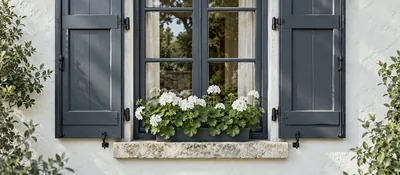 Probe, strip what is coming away, sand, prime, two coats — three facing south. Windows, shutters, gates, eaves...
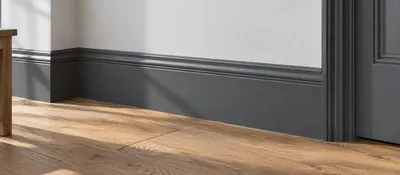 The smallest surface in the room, and the one that finishes it: the colour, the finish, the movement.
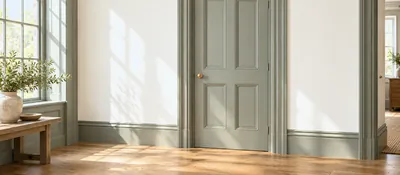 The quickest project that changes a room the most: six colour ideas for doors, skirting and windows.
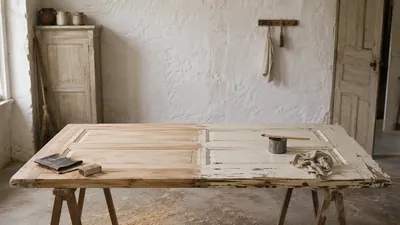 How to prepare your woodwork before painting, for a flawless, long-lasting finish.
“A well-painted window can be recognised by the fact that it opens.”
Thanks for signing up to our newsletter!
Sign in to save items to your wishlist. Sign in to save your basket, so you can continue shopping later.
Don't have an account? Create one
Share this link and friends can buy items from your list. Anything bought disappears from it automatically. Anyone with this link can see your selection.
Moving in, redecorating, or dropping hints? A free account turns this selection into a gift list — add or remove colours whenever you like, and we'll email you when someone buys something from your shared list.
Free · Delivered to your door
Get a free colour card posted to you, showing our complete Colours of London range, with swatches made from the real paint for a true representation of our award-winning colours.