


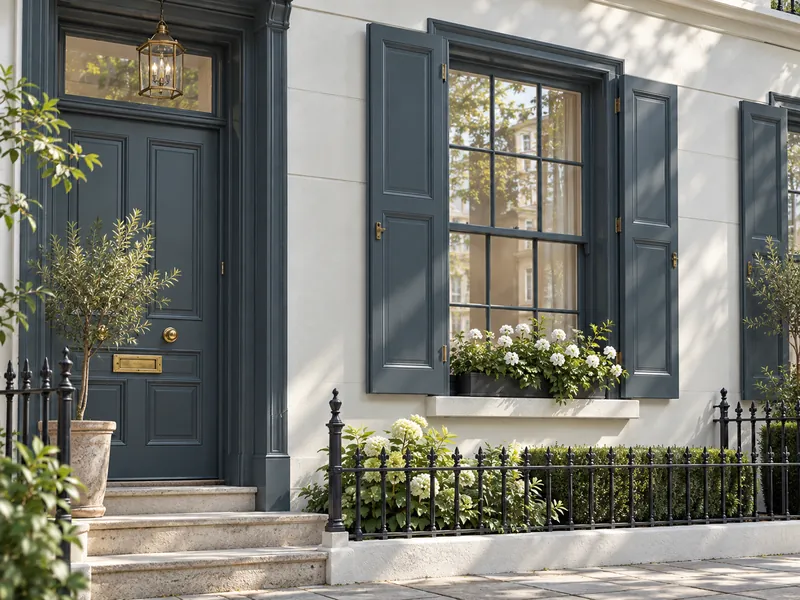
01
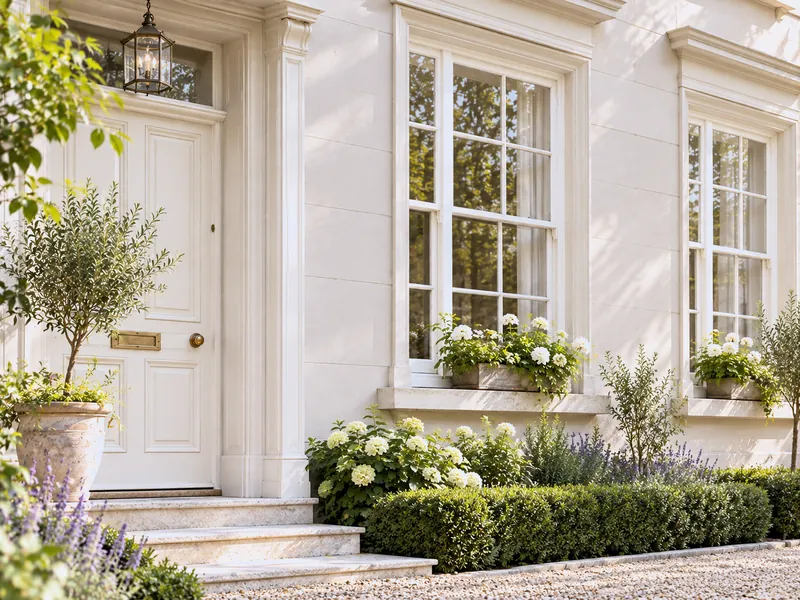
Deep blue-grey
The blue of townhouse joinery on a cool white render: crisp, elegant, it ages without showing it.
Menu
How To
Design Advice
Customer Service
My account
Help with paint Painting outdoors
Exterior timber is painted dry (under 15% moisture), in dry weather between 10 and 25 °C, after stripping what is flaking, sanding, filling and priming the bare wood: tinted undercoat, then two coats of Multi-Surface Eggshell, Satin or Gloss — three on south- and west-facing elevations. Done well, this work protects the wood for up to ten years, provided it gets light maintenance roughly every three years: a wash, touch-ups where it wears, one coat on the exposed face. This guide covers windows, shutters, gates, eaves and cladding.
Page updated September 2026 · by the Mylands France colour team
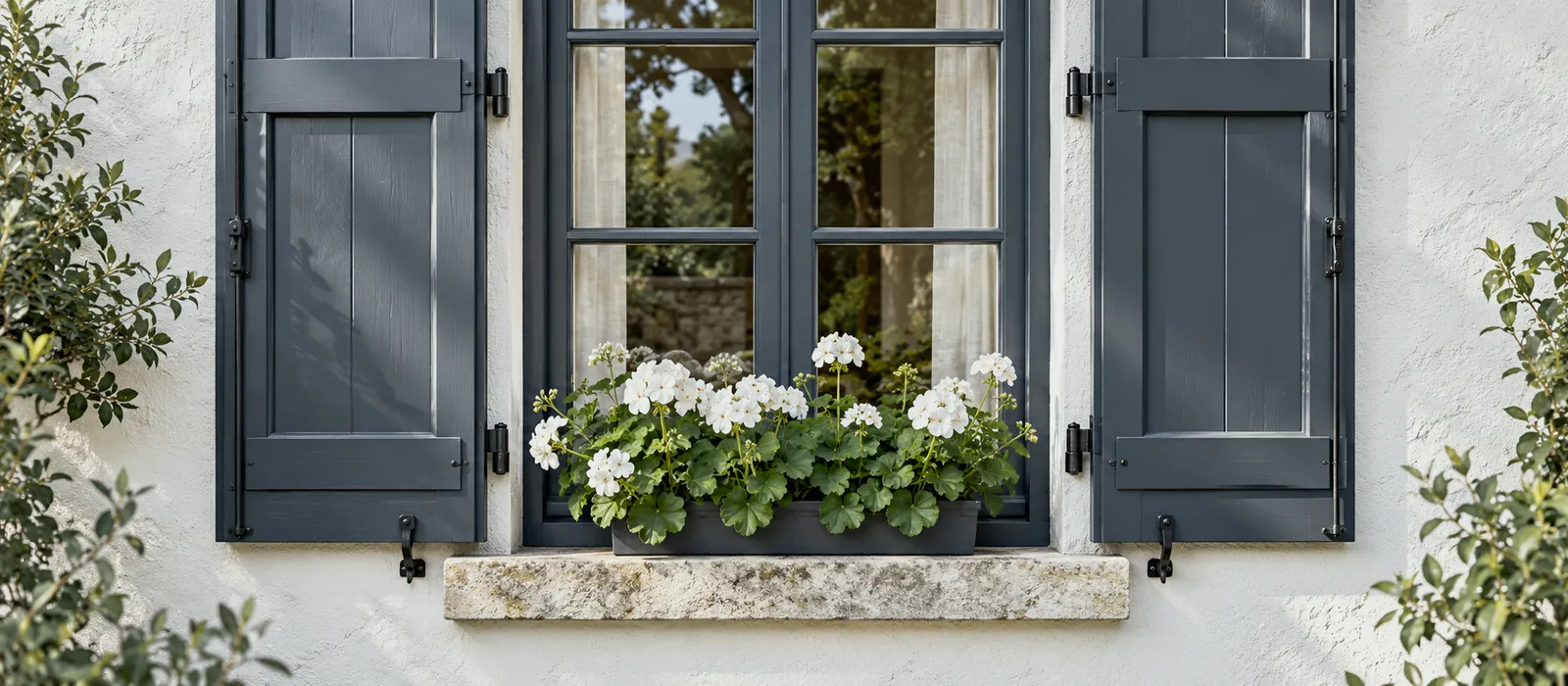
Understanding
Outdoors, paint is first a protection: it keeps water out of the wood and filters the UV that greys it. It protects sound wood; it does not repair rotten wood, which it hides for six months before blistering. Hence the first rule: probe before painting. The second: the wood must be dry — under 15% moisture, which timber reaches after two or three days of dry weather; painted damp, it throws the paint off in blisters at the first warm spell.
All the Mylands Multi-Surface finishes — Eggshell, Satin, Gloss — are formulated for interior and exterior use, over primer and undercoat. Their exterior data sheet is precise: apply at 8–10 °C at least, air and substrate, and 3 °C above the dew point; two coats, three on south- and west-facing elevations; not on decking or on a horizontal surface where water stands. Properly applied, they protect for up to ten years with a maintenance coat roughly every three years.
The method
The tip of a screwdriver on the lower corners, the joints, the window sills: wood that gives is rotten. Small area: dig it out, treat with hardener, fill. Large area: replace the piece. Wood green with algae is treated with a fungicidal wash and rinsed.
Sugar soap with a sponge or a scrubbing brush, rinse with clean water, never a pressure washer on painted wood (it drives the water in). Two days' drying in dry weather.
Triangular scraper on everything blistering or flaking, back to sound wood or to paint that holds; a heat gun for thick layers, without scorching the wood. Old paint that holds is kept and sanded.
80 grit on bared wood to smooth it, 120 everywhere to key the old paint and feather the edges of stripped areas, 180 on the mouldings. Dust off with a damp cloth.
Exterior wood filler in cracks and holes; flexible sealant in the joints between wood and masonry, where water gets in. Sanded at 180 once dry.
Multi-Surface Primer on every area of bare wood, two coats on the end grain (ends of boards, bottoms of stiles) and the knots. A night's drying. Over sound, sanded old paint, primer is not needed.
One coat of tinted Primer & Undercoat over the whole: it unifies the stripped and the old areas, without which the finish shows the difference for months. 3 to 4 h drying, a light rub-down.
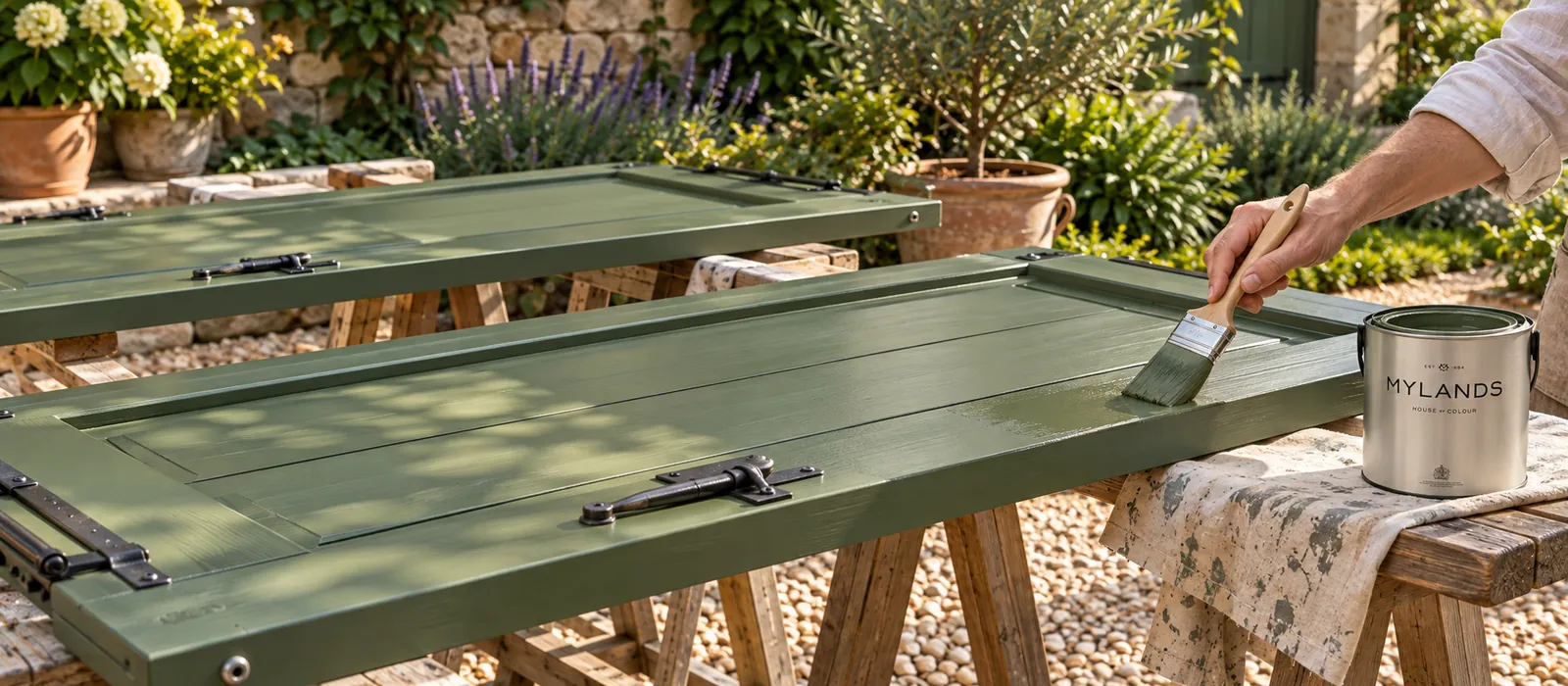
By brush, along the grain, in thin coats: glazing bars and mouldings first, rails, then stiles. Recoatable in 3 to 4 h in dry weather; the next day is safer. On south- and west-facing elevations, a third coat.
On a window, the paint laps 1 to 2 mm onto the glass: that is the seal that stops water getting under the putty. Then, every three years: a wash, touch-ups where worn, one coat on the most exposed face.
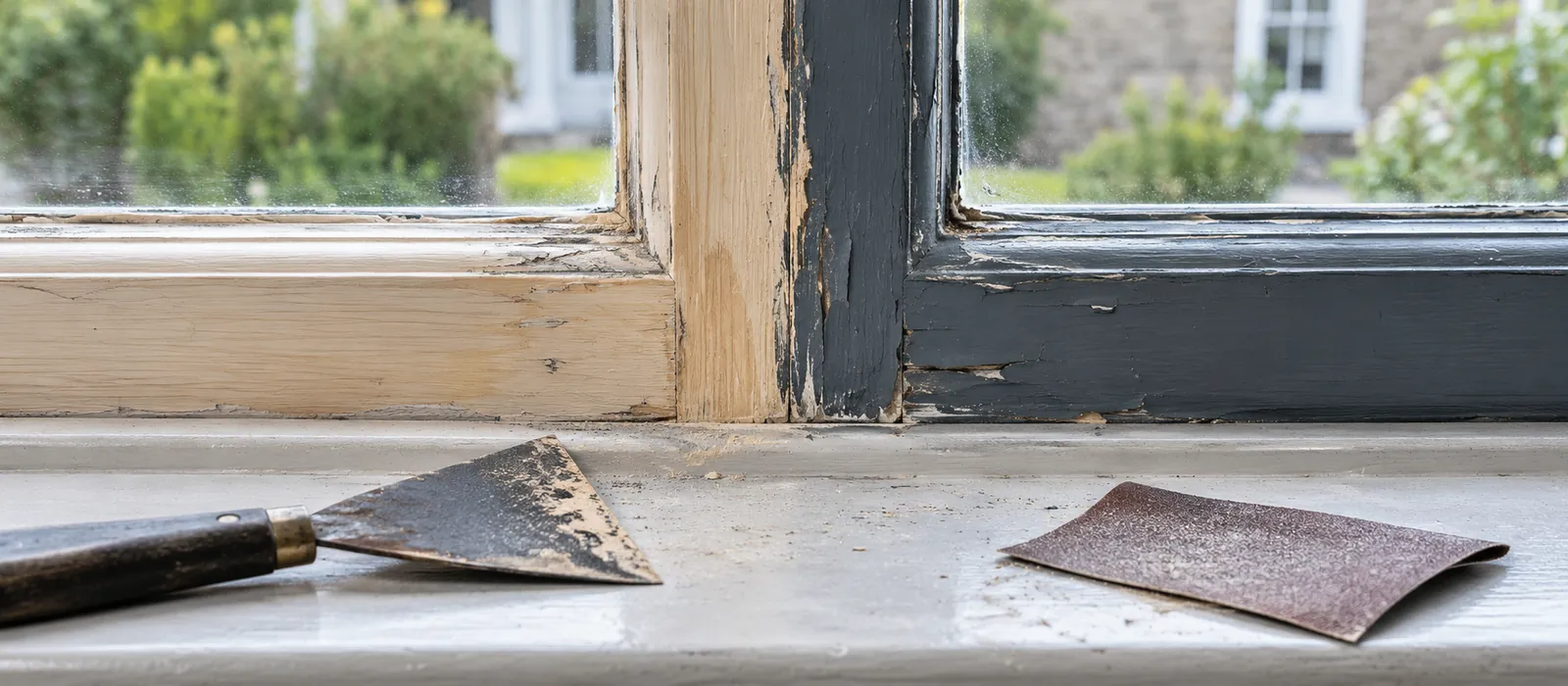
By element
| Element | Weak points | Recommended finish | Worth knowing |
|---|---|---|---|
| Windows | Bottom rail, sill, joint with the glass | Satin or Gloss | Lap 1 to 2 mm onto the glass; paint windows open, leave them ajar for a night |
| Hinged shutters | Bottoms of boards, end grain, hinges | Eggshell or Satin | Take them off and paint flat on trestles, all faces and edges; hinges in the same finish |
| Gate, wicket | Bottoms of posts, joints | Satin or Gloss | Take off the hinges if possible; buried parts or those touching the ground are beyond the reach of paint |
| Eaves, fascia boards | End grain, junction with the gutter | Eggshell or Satin | Scaffold or a stable ladder; do it at the same time as the gutter |
| Cladding, exterior boarding | Bottoms of boards, end grain, green north faces | Eggshell | Fungicidal wash on green areas; paint board by board along the length |
| Beams, half-timbering | Cracks, shrinkage | Eggshell | Do not fill shrinkage cracks with hard filler; structural timber breathes |
A timber deck, a floor, a flat handrail: paint will not hold there, water stands. Oil or a saturating stain instead. Shutters and their colours: Colours for shutters.
The colours
Outdoors, a colour looks lighter and cooler than indoors: these six shades are chosen one step deeper. The method in detail: Using exterior paint colours.
01
The blue of townhouse joinery on a cool white render: crisp, elegant, it ages without showing it.
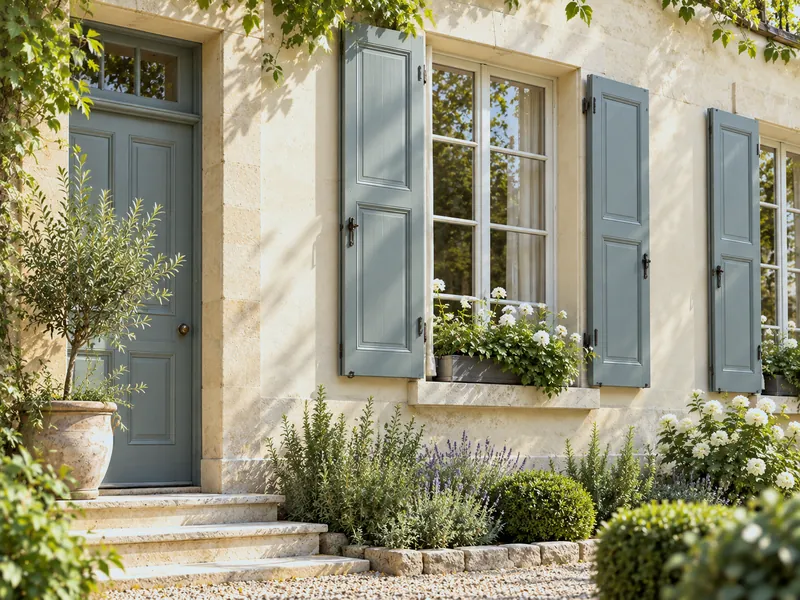
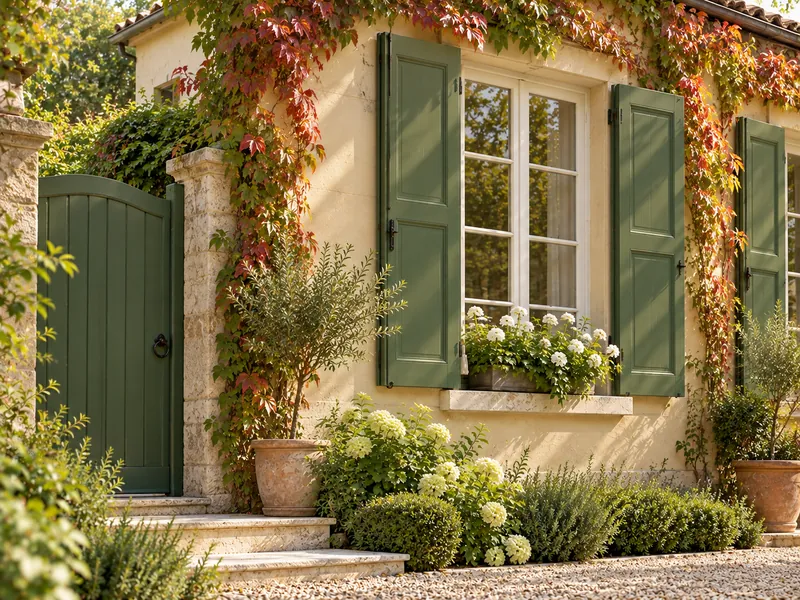
02
On golden stone or a warm render, the grey-green of shutters that seem to have always been there.
03
The white windows of a brick house or a coloured façade: a warm off-white, never a pure white, which would turn blue.
04
The bottle green of country shutters and garden gates, with tile and Virginia creeper.
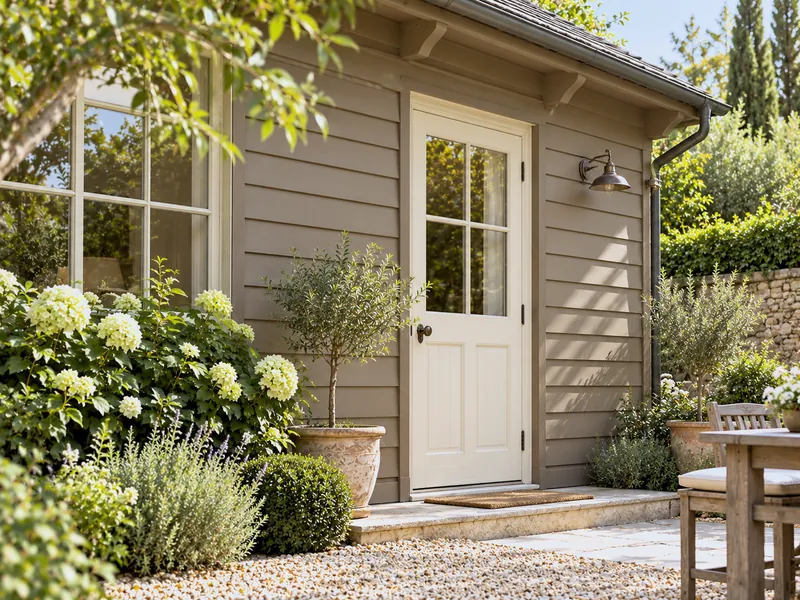
05
The brown-grey of cladding or eaves that step back behind the garden; with a lighter door.
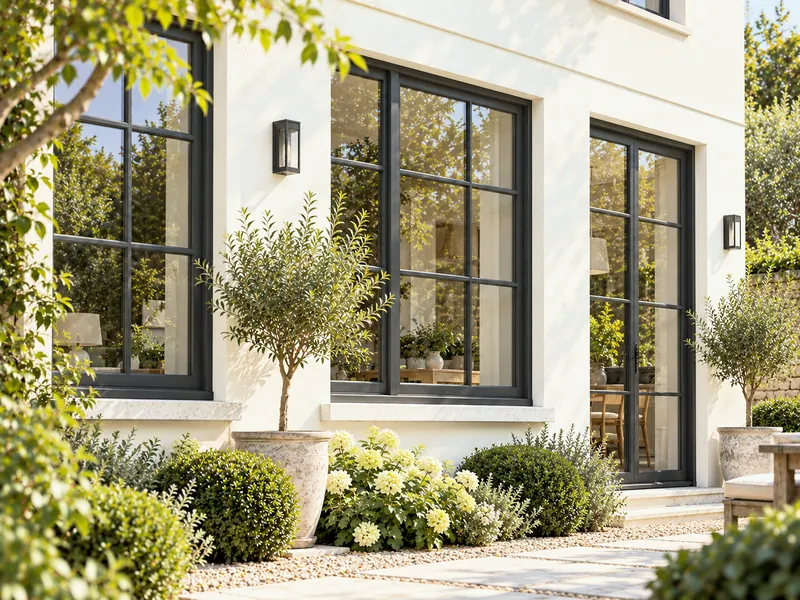
06
The very deep grey of modern windows: it draws the façade in line, on a pale render or brick.
To avoid
Frequently asked questions
Spring to autumn, outside heatwaves: between 10 and 25 °C, air and substrate, with no rain forecast for 48 h, and 3 °C above the dew point — which means not on misty mornings or cool evenings. May–June and September are the best months.
All three hold. Eggshell for a soft, discreet look (shutters, cladding), Satin for what gets handled (windows, gates), Gloss for the front door and classic joinery. The glossier the finish, the more careful the preparation has to be.
Up to ten years on sound, well-prepared wood, with maintenance roughly every three years: a wash, touch-ups where worn, one coat on the most exposed face. A south face with no maintenance starts to chalk around the fourth year.
Stained wood, yes, after careful sanding and Multi-Surface Primer throughout. Oiled or saturated wood, no: the oil stops adhesion; it has to weather grey for a season, or be degreased and sanded deeply.
Degrease, very fine sanding, Multi-Surface Primer after an adhesion test on a hidden area, then two coats of Satin. On uPVC, light or mid shades only — a dark colour heats up and distorts the profiles.
See also
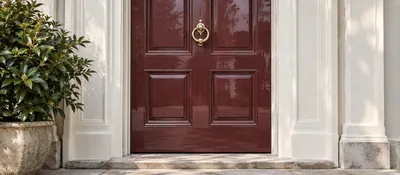 Hardware off, washing, sanding, primer, undercoat, two to three coats in panel order: the method and the timin...
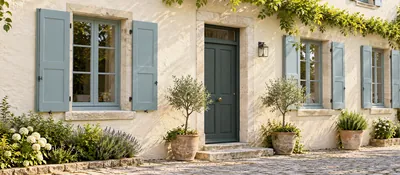 Outdoors, a colour looks twice as light: one shade deeper, composed with the stone and the roof. Six palettes...
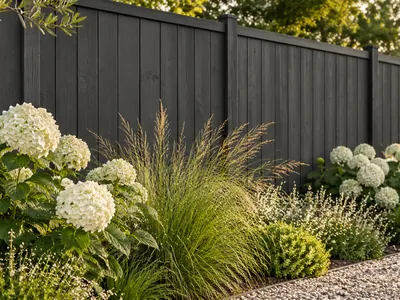 Dry wood, brushing, primer on the end grain, two coats by brush on both sides. Why a dark fence makes the gard...
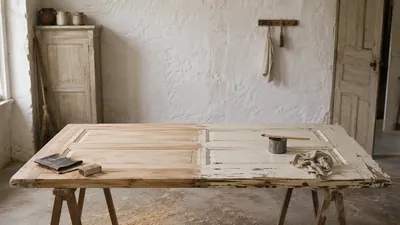 How to prepare your woodwork before painting, for a flawless, long-lasting finish.
“Outdoors, paint is a coat: it keeps the water out, as long as you mend it.”

Thanks for signing up to our newsletter!
Sign in to save items to your wishlist. Sign in to save your basket, so you can continue shopping later.
Don't have an account? Create one
Share this link and friends can buy items from your list. Anything bought disappears from it automatically. Anyone with this link can see your selection.
Moving in, redecorating, or dropping hints? A free account turns this selection into a gift list — add or remove colours whenever you like, and we'll email you when someone buys something from your shared list.
Free · Delivered to your door
Get a free colour card posted to you, showing our complete Colours of London range, with swatches made from the real paint for a true representation of our award-winning colours.

