The journal
Interior door paint: finish, colour and the right order
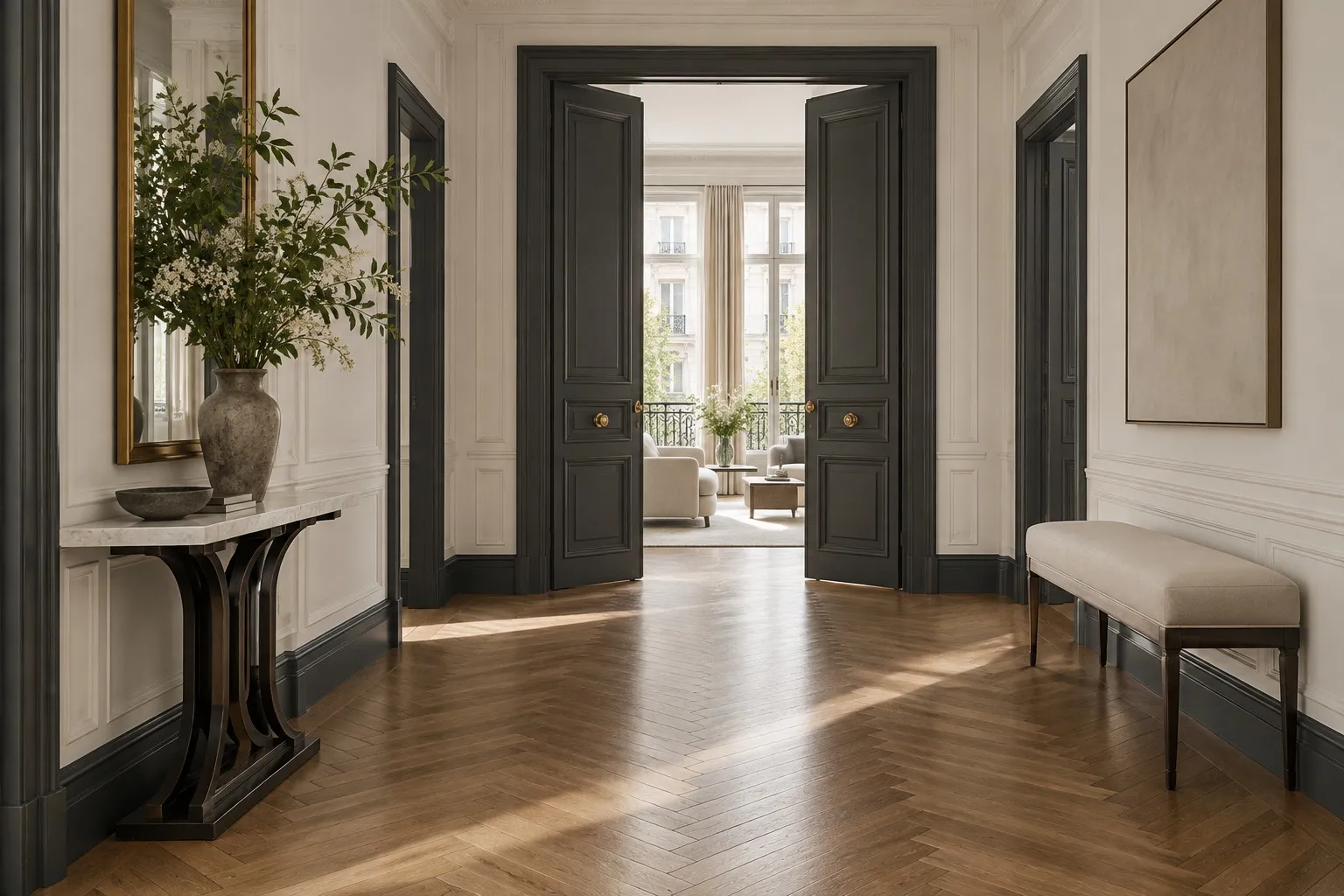
The best interior door paint is a multi-surface finish: eggshell by default, satin for a hard-working door, dead matt to melt it into the wall. The colour follows: a warm white, a tone darker than the wall, a softened black or a bold shade, applied in the right order on a well-prepared door.
A door is looked at up close and touched every day, two reasons why interior door paint is a less trivial choice than it seems. A badly painted door shows straight away: runs in the mouldings, brush marks against the grain, an edge that sticks to the frame, chips around the handle after six months. A well-painted door, on the other hand, either melts into the room or gives it structure, depending on the colour you choose for it. The result rests on three decisions, taken in this order: the finish, the colour, then the method.
Interior door paint: which finish to choose
A door is not a wall. It takes hands, knocks from bags and chairs, passes of the sponge, and a wall emulsion would not survive long on it. It needs a multi-surface finish, formulated for wood and metal, whose film dries hard and washes clean. At Mylands, four finishes suit an interior door, and the choice depends on how the door is used and the effect you are after.
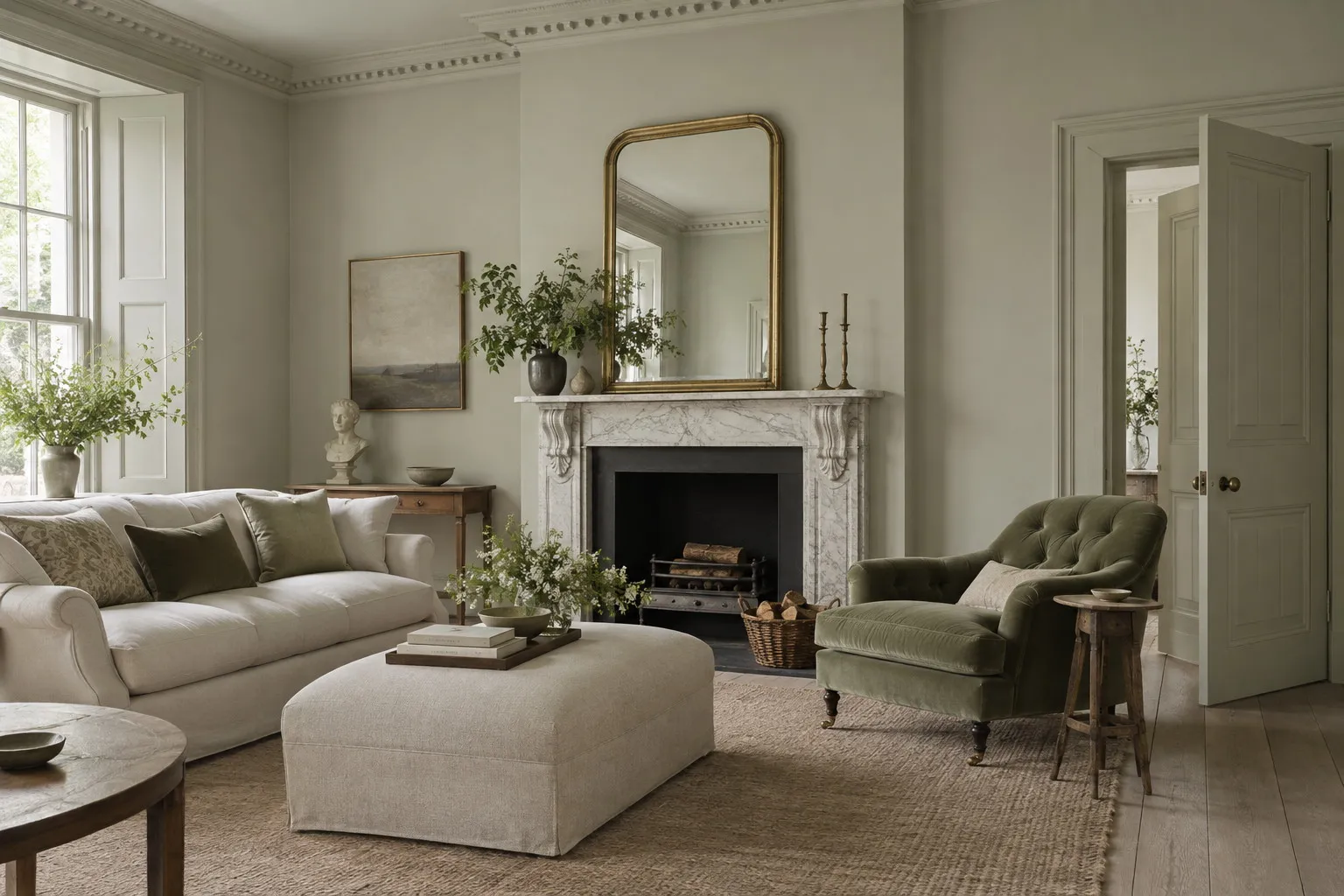
Multi-Surface Eggshell is our default, the one we recommend when in doubt. At around 15 % sheen, it has that soft glow that catches the light on the mouldings without reflecting the room, it resists moisture, and it forgives the small irregularities of old timber. It is the classic English finish for doors, skirting and architraves, the one that sets up a quiet contrast with a matt wall.
For a kitchen, bathroom or child's bedroom door that gets wiped often, Multi-Surface Satin adds a step of sheen and hardness: it cleans with one movement and stands up better to hands. Multi-Surface Gloss, our toughest finish, is first and foremost for front doors, but it gives an interior door a very elegant lacquered look if the panels are perfectly prepared, because gloss reveals everything. Finally Multi-Surface Dead Matt, at barely 5 % sheen, is for painting door, frame and wall in the same shade, for the enveloping effect known as colour drenching.
Four ways to think about the colour
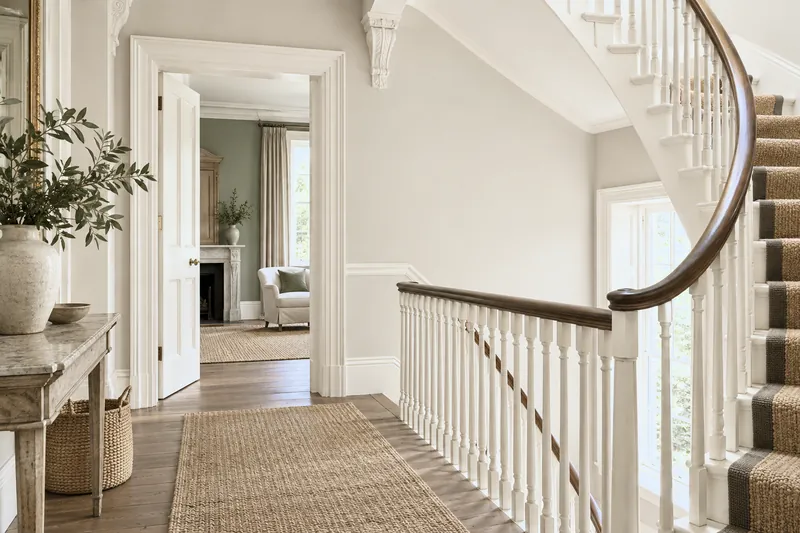
The colour of a door decides what it says in the room. Painted in a warm white such as Holland Park No.5, it steps back and lets the walls speak; this is the most common solution, and it stays right as long as the same white runs across skirting and architraves. A shade just a touch deeper, Old Man's Beard BH.03, designed by Beata Heuman precisely for joinery, avoids the clinical look while keeping that reading of a "white door".
The same colour as the wall
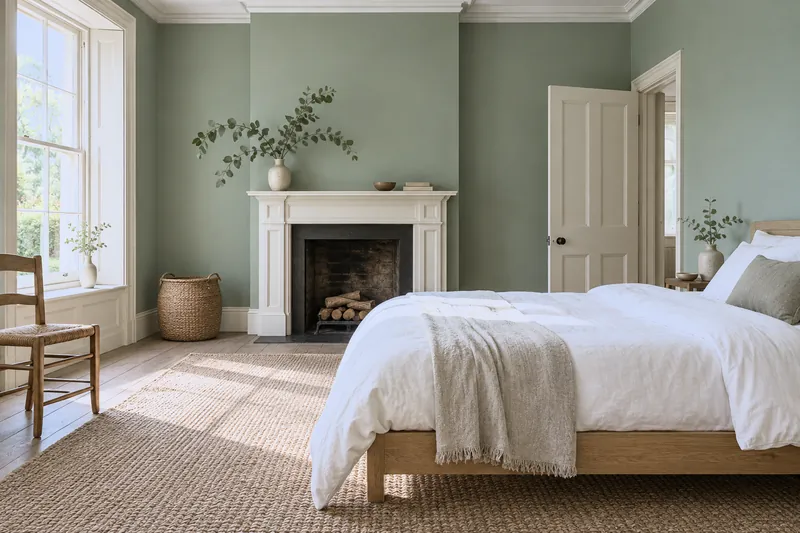
Painting the door in the exact shade of the wall, in Dead Matt so as not to create a reflection, makes the openings vanish and enlarges a small room or a corridor crowded with doors. A soft green like Lamb's Ear BH.06 lends itself to the exercise with great delicacy: light slides from wall to door without a break, and only the handle marks the way through.
Darker than the wall
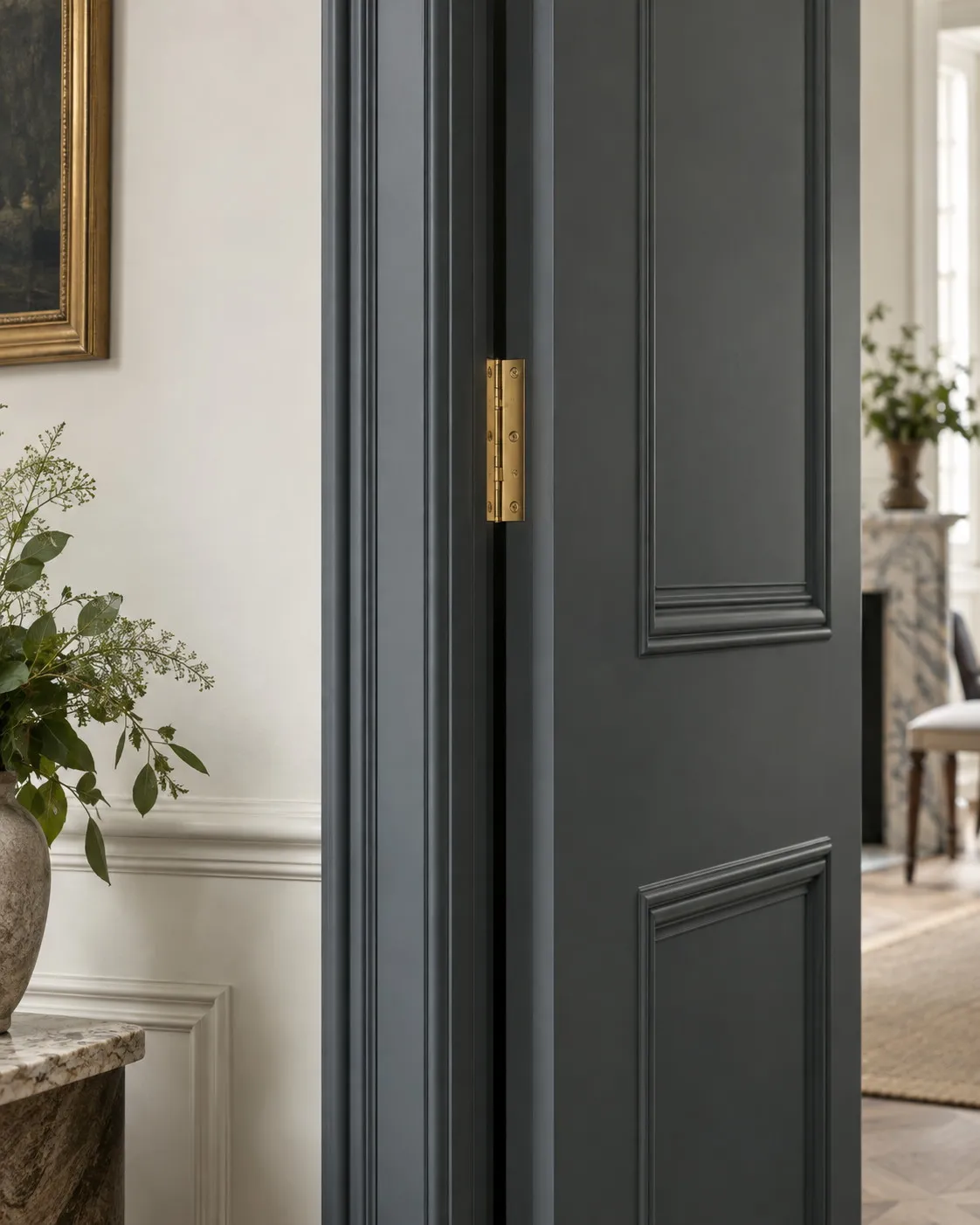
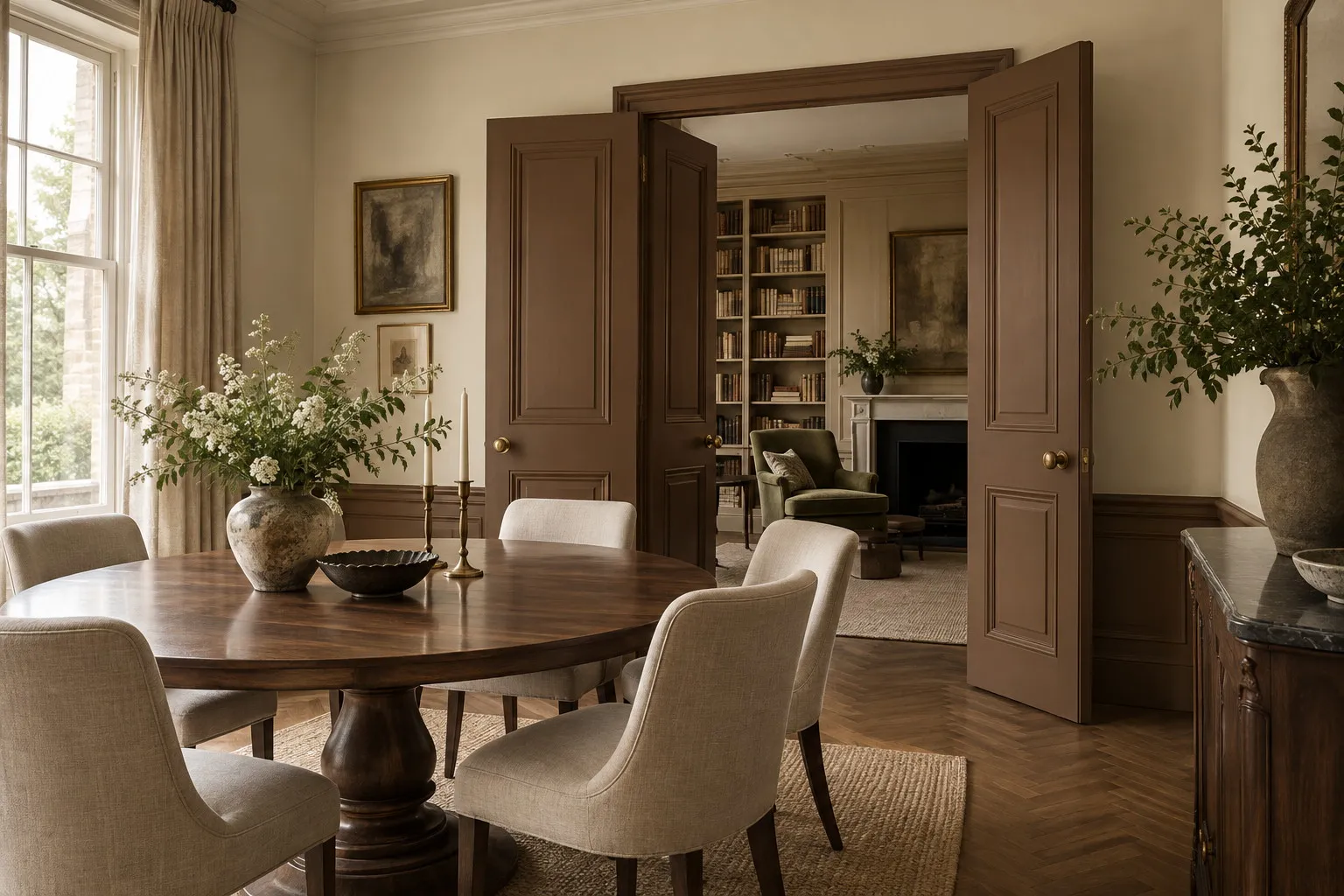
This is the English manner par excellence: a pale wall, woodwork in a distinctly deeper tone that draws the architecture. Bond Street No.219, a darkened slate blue, holds up magnificently against a warm white; Cigar BH.20, a slightly retro toffee brown, is a chic stand-in for varnished wood on dining room or library doors.
The black door
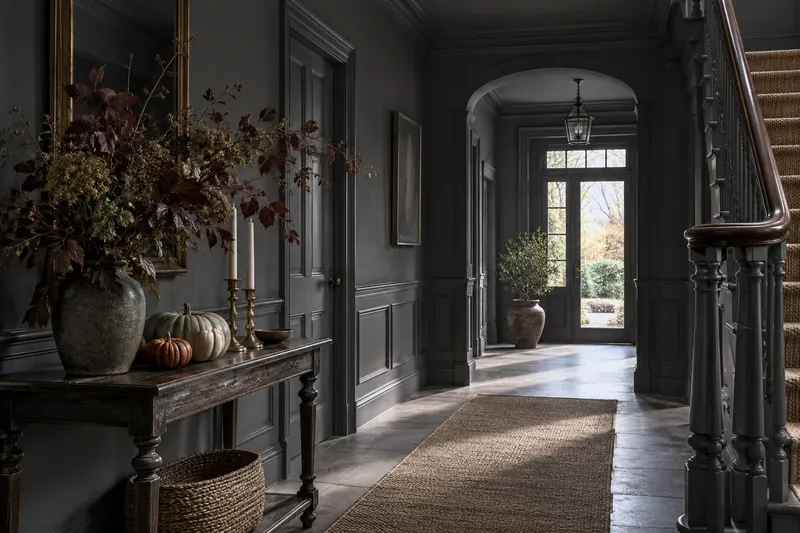
A black door is the surest way to give an entrance hall or a corridor some backbone. Blackout No.41, a black softened with a hint of grey and drawn from our archives, is the one we prefer indoors: it stays black without being harsh, and it makes the white of the walls look brighter. Pub BH.08, Beata Heuman's alternative to true black, leans towards brown and is more forgiving of fingerprints.
The bold door
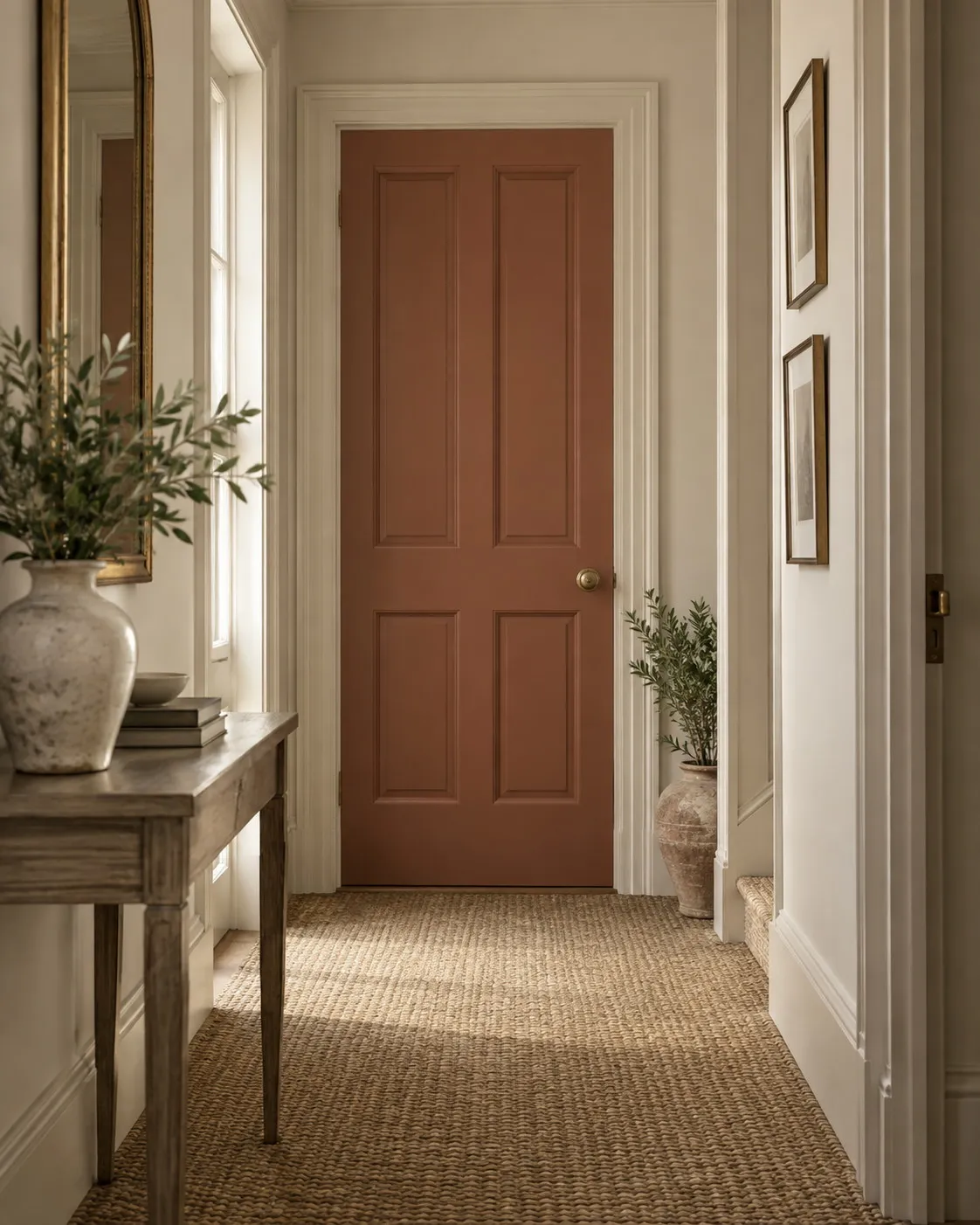
Finally, a single door in a lively colour, in an otherwise restrained house, is enough to give a whole floor some wit. A rusty red such as Crayfish Party BH.19 on the door of a study or a child's bedroom, surrounded by neutral walls, is a daily pleasure without being a commitment: a door can be repainted in a morning.
A door is the only element of a room you touch every day; it deserves a chosen colour, not a default white.
Preparing the door before painting
Preparation is half the result, especially on a door that has already had several coats. Take the door off its hinges if you can, or at least remove the handle, the backplate and the lock; masking a handle in place almost always leaves a mark. Degrease the whole door with a mild detergent, paying attention to the area around the handle where hands deposit years of grease, rinse and let it dry. Then lightly sand the entire surface to break the sheen of the old finish and give it a key, and dust it off with a damp cloth. Our woodwork preparation guide sets out every step, including bare timber and old paint that is flaking.
A primer is essential on new wood, on a door repaired with filler, and whenever the new colour is markedly lighter or darker than the old one: going from a white door to Blackout No.41 without a dark primer will cost you an extra coat. Our primers come in several tones, chosen to sit beneath each colour; the colour's page tells you which to use, and you should allow around 0.5 L of primer per litre of paint.
Painting a panelled door in the right order
A panelled door is painted in a precise order, from the recesses to the flats, so that the final brush strokes always follow the grain and nothing runs onto mouldings that have already dried. Use a medium flat brush for the mouldings and a small roller or a wider brush for the flat areas, and always prefer a thin coat to a thick one.
- Start with the panel mouldings, then the field of each panel, laying off vertically.
- Paint the central muntins that separate the panels.
- Move on to the horizontal rails, top, middle and bottom, laying off horizontally.
- Finish with the two outer stiles, from top to bottom, then the edges.
The hinge edge usually takes the colour of the room the door opens into, and the lock edge that of the room where the door is seen closed. Multi-surface finishes are touch-dry in 2 to 3 hours; let the first coat dry completely, sand very lightly if any grit has settled, and apply the second. Allow around 12 m² per litre per coat: a litre goes a long way across several doors, both faces and frames included. Leave the door ajar while the film hardens before closing it against its stop, or it may stick. A water-based, low-VOC, low-odour interior door paint like ours means you can repaint the doors of a whole floor on a Saturday without leaving the house, and the brushes simply wash out in water.
Where to start
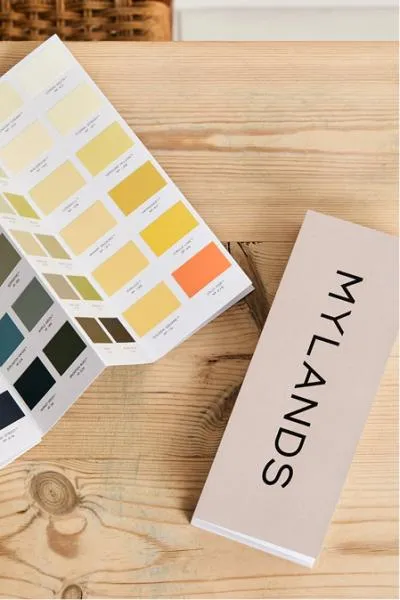
Our page on door paint brings together the suitable finishes and a selection of colours chosen for woodwork. Then order two or three 100 ml sample pots and paint them directly onto a panel of the door, next to the wall: it is the only way to judge the real contrast between the two, morning and evening. To cost a whole floor, the price per square metre page brings each finish back to the area it covers in two coats.
Frequently asked questions
Which paint finish for an interior door?
Multi-Surface Eggshell is the default choice: around 15 % sheen, a soft glow that flatters the mouldings, good moisture resistance. For a kitchen or bathroom door that gets wiped often, Satin is harder and more washable. Dead Matt lets you paint door and wall in the same shade with no difference in reflection between them.
Do you need to sand an already painted door before repainting it?
Yes, lightly. A quick sanding breaks the sheen of the old finish and gives the new coat a key; there is no need to go back to bare wood. Degrease the door first, especially around the handle, then sand, dust off with a damp cloth and apply a primer if the colour changes markedly or if the wood has been repaired.
Can you paint a door without taking it off?
Yes, provided you remove the handle, the backplate and if possible the lock, and protect the floor. Paint the door ajar, wedged so it cannot move, following the order of panels, muntins, rails and stiles. Leave it ajar while the film hardens before closing it against its stop, otherwise it may stick.
How long should a door dry before you close it?
Multi-surface finishes are touch-dry in 2 to 3 hours, but a film that is dry to the touch is not yet hard. Leave the door ajar at least until the next day before closing it against its stop and refitting the handle, then avoid scrubbing it for the first few weeks while the paint reaches its full hardness.