The journal
Panelling paint: which finish and which colours to choose
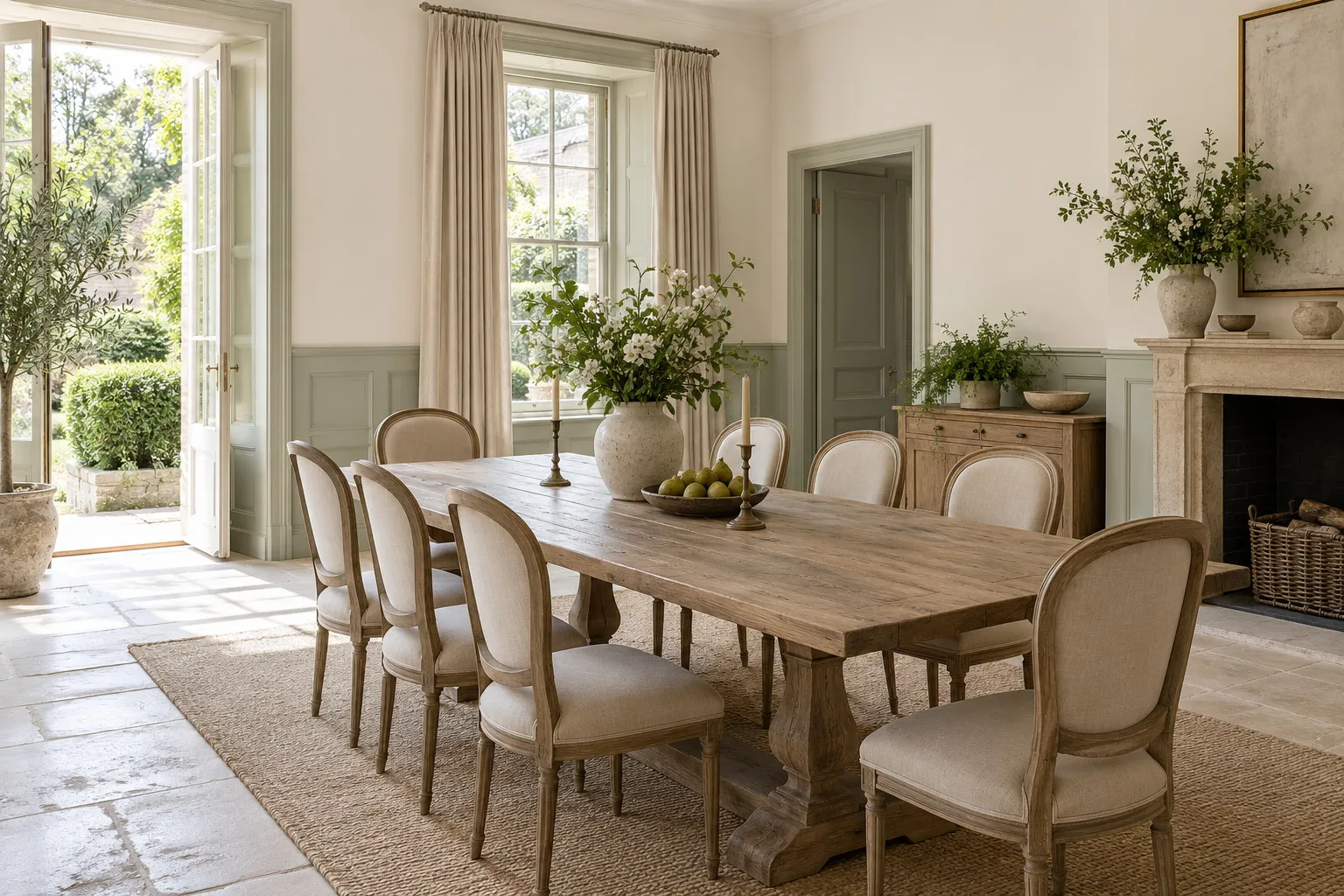
The right panelling paint is a multi-surface finish: eggshell for a bathroom, hallway or bedroom, satin for a busy corridor, dead matt to paint panelling and wall in a single colour. On varnished pine, a light sanding and a primer make all the difference.
Panelling changes its status the day it is painted. Varnished or left bare, it tells of an era, that of chalets, conservatories and 1980s bathrooms; painted in a chosen colour, it becomes architecture, a dado, joinery in the English sense of the word. Panelling paint is, seen that way, one of the most rewarding jobs in the house: a few litres, a weekend, and a whole room acquires a poise no piece of furniture could have given it. It still means choosing the right finish, properly preparing wood that is often varnished, and deciding what becomes of the wall above.
Which panelling paint for which room
Panelling, whether tongue-and-groove boards, moulded panels or simple matchboarding, is woodwork: it takes knocks, the rubbing of chair backs, sometimes splashes, and it calls for a multi-surface finish, formulated for wood, whose film hardens and washes clean. Wall emulsion is not made for it. At Mylands, three finishes share most panelling between them, and the room decides.
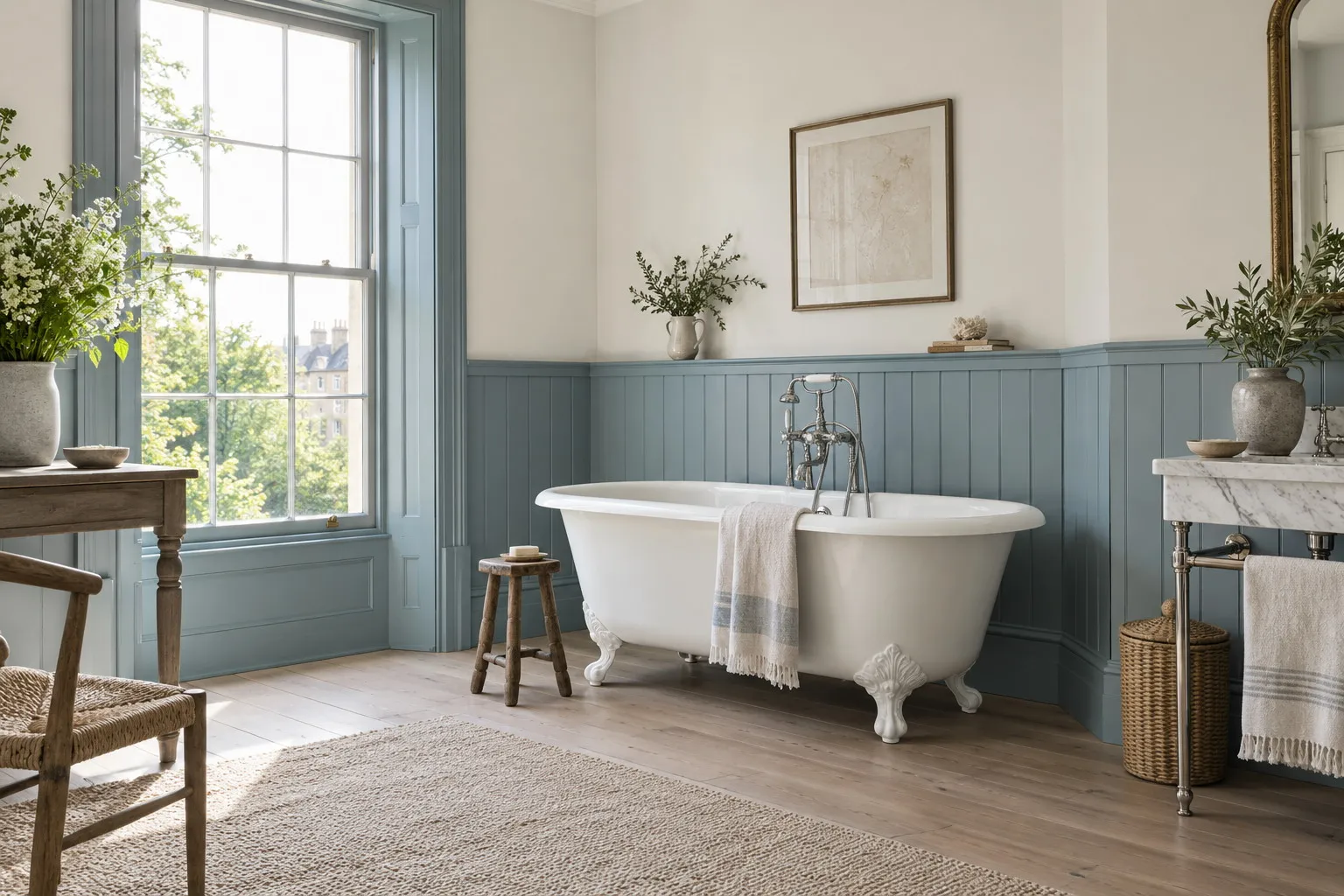
Multi-Surface Eggshell is the natural finish for panelling in a bathroom, a hallway or a bedroom. Its 15 % or so of sheen draws each groove with a delicate line of shadow without turning the wall into a mirror; it resists moisture, which matters behind a bath or a basin, and it sets up that subtle, very English contrast between a faintly lustrous dado and a matt wall above. For a busy corridor, a staircase or a kitchen, Multi-Surface Satin adds a step of hardness and cleans with a pass of the sponge: marks from bags, shoes and hands leave no lasting trace.
Multi-Surface Dead Matt, finally, at around 5 % sheen, is the finish for colour drenching: panelling, wall, skirting and door in a single shade, with no difference in reflection. It is the choice for a study, a dining room or a bedroom you want to feel enveloping, and it has the advantage of smoothing over the flaws of old wood. Whichever panelling paint you settle on, allow around 12 m² per litre per coat, 2 to 3 hours to touch-dry, and two coats.
And full-height panelling
When the boards run right up to the ceiling, as in an attic bedroom or a conservatory, the panelling becomes the wall. You can then treat it in eggshell in a warm white to recover the light of a plastered room, or paint it in dead matt in a strong shade, ceiling included, to turn it into a cabin. Either way the grooves go on giving rhythm to the surface, and it is exactly that relief that lends a single colour its depth.
Preparing old varnished pine panelling
Most of the panelling people want to paint is pine, fitted thirty or forty years ago and protected by a glossy varnish that has yellowed. That varnish is not an obstacle, provided you do not paint straight over it. Begin with a careful degrease using a mild detergent, especially in a kitchen or bathroom, then rinse and let it dry. Next sand the whole surface, board by board, to break the sheen of the varnish and open up the wood: the aim is not to get back to bare timber but to reach a surface that is uniformly matt and slightly rough. Dust off with a vacuum cleaner and then a damp cloth, paying attention to the grooves where sanding dust settles.
Fill nail holes and splits with wood filler, sand the repairs again, then apply a primer in the tone of the chosen colour. On varnished pine or dark wood it is indispensable: it gives the finish its grip and full opacity in two coats. Allow around 0.5 L of primer per litre of paint, and follow our woodwork preparation guide for the detail of each step, including previously painted panelling that is flaking. When you come to paint, work the grooves first with a brush, along the boards, then the flat faces with a small roller or a wide brush, always laying off along the grain.
Half-height panelling: what becomes of the wall above
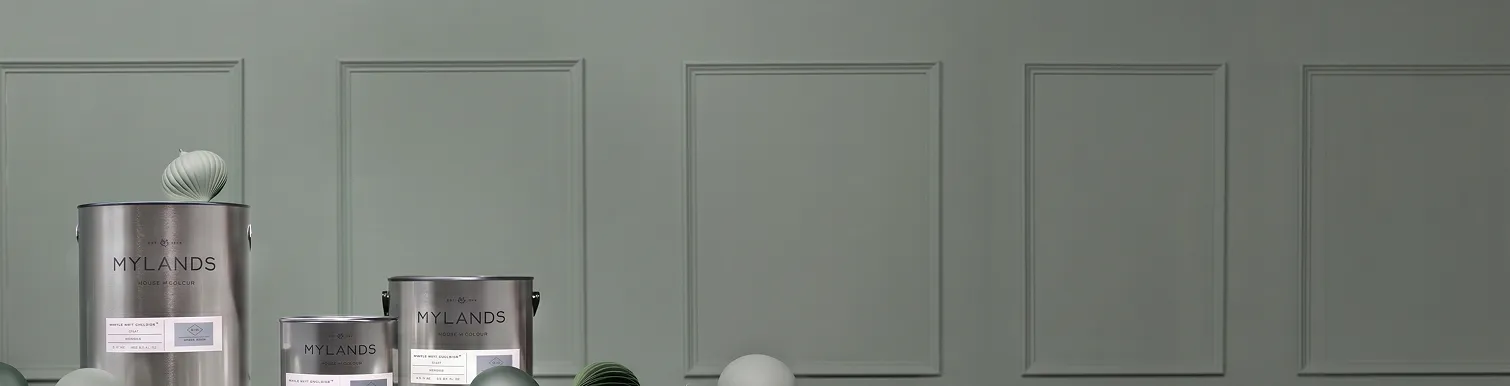
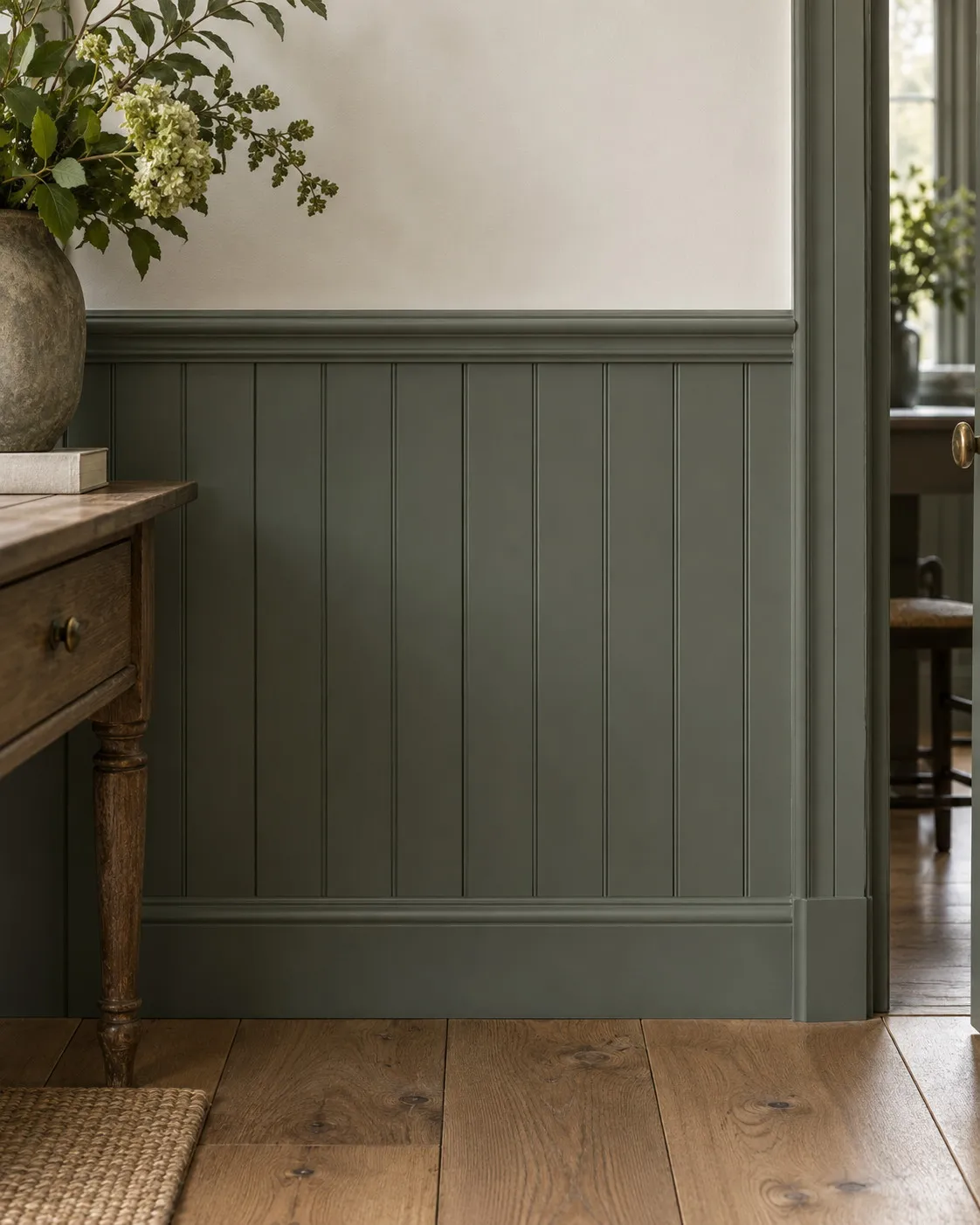
Half-height panelling poses a question only paint can answer: what to put above it. The classic answer is a paler wall, in the same colour family or a warm white, which lightens the upper part of the room and lets the dado carry the colour. Panelling in Beauvais No.195, a grey-green inherited from French tapestries, beneath a wall in Holland Park No.5 in Marble Matt Emulsion, is one of the safest pairings we know: elegant in a dining room, soothing in a bedroom, fresh in a hallway.
The reverse solution, pale panelling beneath a stronger wall, visually lengthens the room and suits low ceilings. A dado in Old Man's Beard BH.03, a slightly greyed white designed by Beata Heuman for joinery, beneath a wall in Artichoke BH.13, a dusty green from the same collection, gives a room that is luminous without being cold. In both cases, the dado rail that crowns the panelling takes the colour of the panelling, never that of the wall: it is the rail that draws the line.
Painted panelling does not hide the wood; it finally gives it a part to play in the room.
The colours that suit panelling
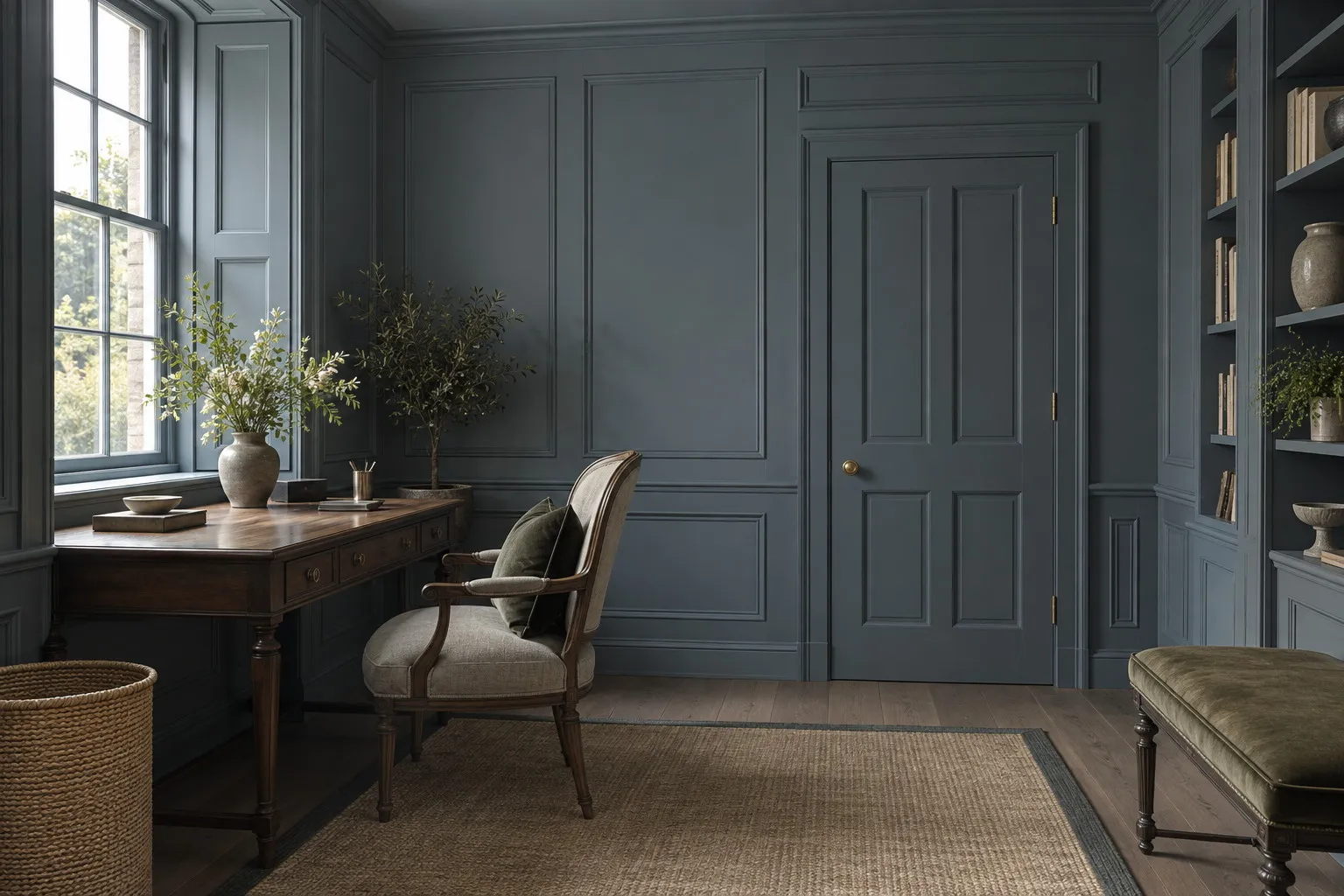
Softened greens are the natural companions of panelling, because they recall the vegetation the wood came from and they age well under changing light. Besides Beauvais No.195, Brompton Road No.205, a dark green retrieved from our records, turns a panelled hallway or study into a room that is serious and warm at once. Blues do the same work with more freshness: Stockholm BH.11, Beata Heuman's favourite blue, inspired by the ceremonial sash of a Swedish king, is made for bathroom or kitchen panelling, and Maritime No.236, the blue-grey of the boating lake in Regent's Park, wraps a study or a bedroom when it is taken over panelling and wall together, in dead matt.
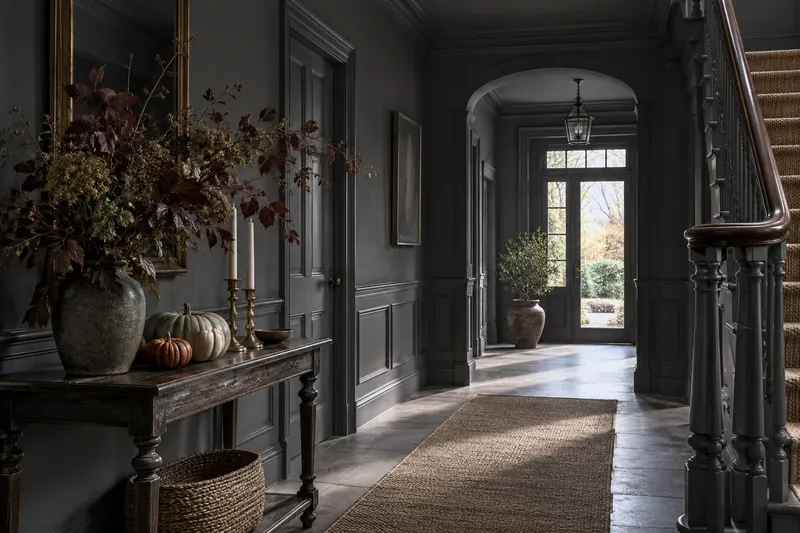
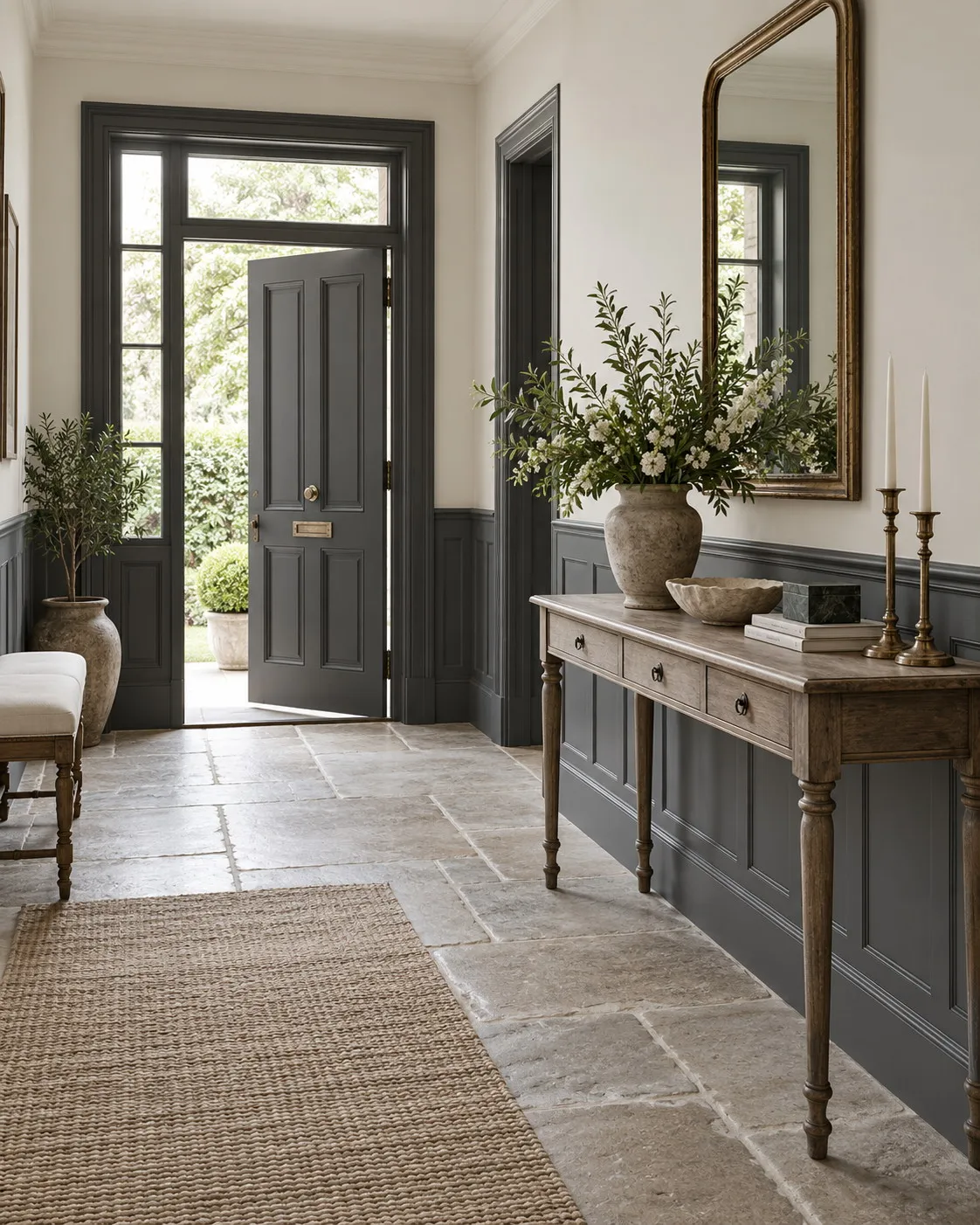
Dark panelling, finally, is a decision that almost always succeeds in a hallway or corridor: Sinner No.238, a bone black with the faintest touch of grey, on half-height panelling beneath a warm white wall, gives the space the bearing of an English vestibule, and it hides the marks of passing traffic better than any pale colour. To take this logic of one colour across every surface further, our page on colour drenching explains how to build it room by room, panelling included.
Where to start
Order two or three 100 ml sample pots, one for the panelling, one for the wall above, and paint them against each other on a board and on the wall, either side of the dado rail: it is the only way to judge the contrast between an eggshell and a matt under your light, morning and evening. To cost a panelled room in two coats, primer included, the price per square metre page gives the coverage of each finish.
Frequently asked questions
Can you paint varnished panelling without sanding it?
Better not. Glossy varnish offers no key and the paint would eventually flake. A light sanding, board by board, is enough to break the sheen without going back to bare wood; degrease first, then dust off right into the grooves, and apply a primer in the tone of the chosen colour before two coats of a multi-surface finish.
Which finish for bathroom panelling?
Multi-Surface Eggshell, at around 15 % sheen, resists moisture and draws each groove with a quiet line of shadow; it is the classic finish for bathroom panelling. Behind a heavily exposed bath or basin, or on panelling that gets wiped often, Multi-Surface Satin brings a further step of hardness and washability.
Should panelling and wall be painted the same colour?
Both approaches work. Darker panelling beneath a pale wall gives the room structure and shows off the dado; pale panelling beneath a stronger wall visually lengthens the space. A single colour across panelling, wall and woodwork, in Multi-Surface Dead Matt on the wood and matt on the wall, gives an enveloping room and smooths over the flaws of old timber.
How do you paint tongue-and-groove panelling without leaving marks?
Paint the grooves first with a brush, along the boards, without overloading them to avoid runs, then the flat faces with a small roller or a wide brush, laying off along the grain. Work in thin coats, allow 2 to 3 hours to touch-dry, and let the first coat harden before applying the second.