
01
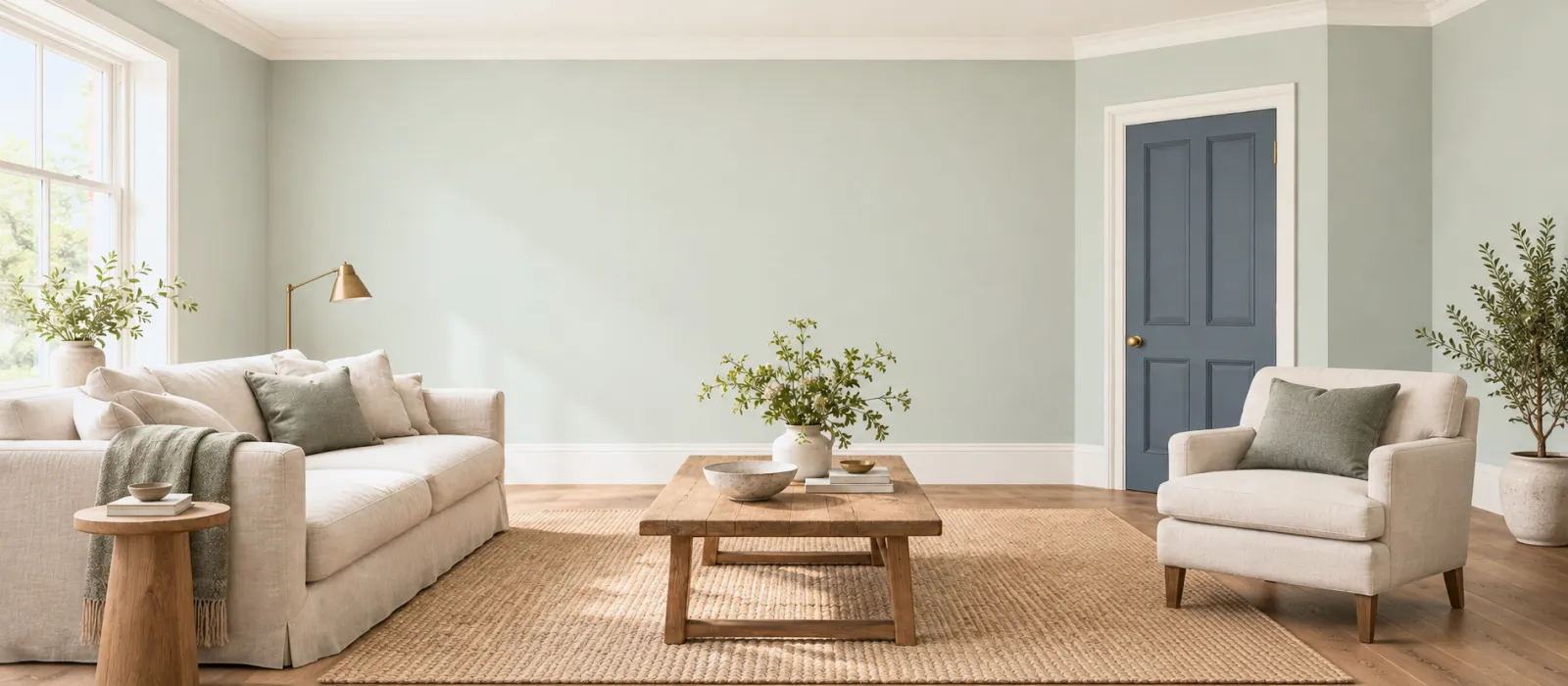
A calm sitting room
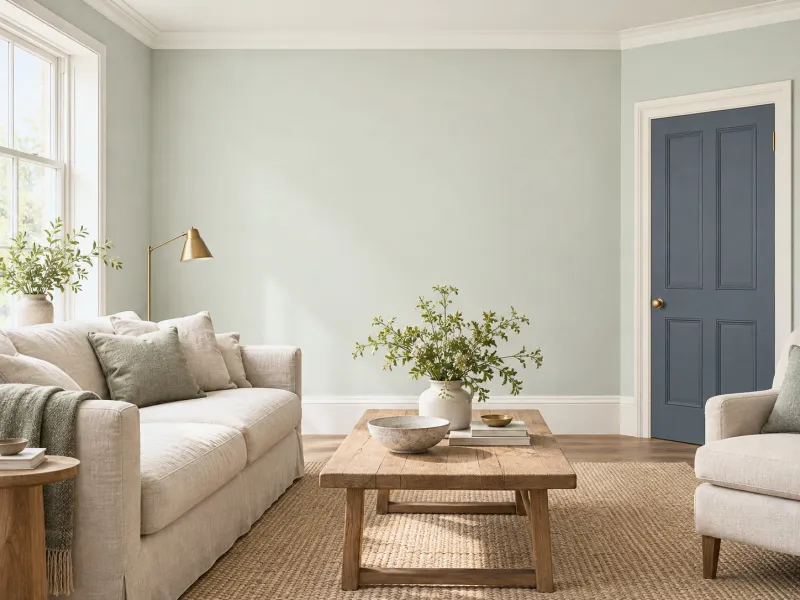
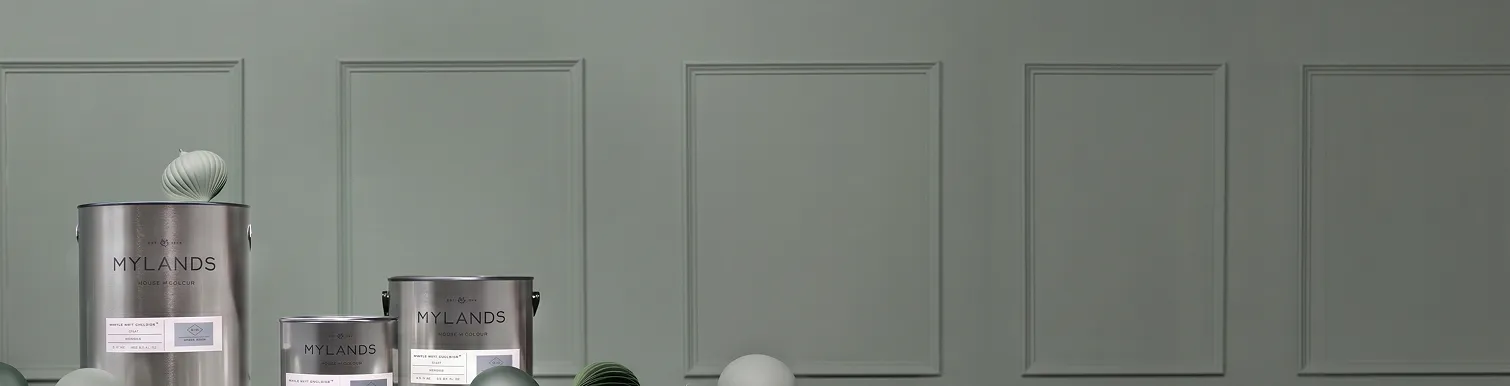
A very soft grey-green on the walls, a warm white on the woodwork and ceiling, a deep blue-grey on a single door to give the whole its backbone.
Menu
How To
Design Advice
Customer Service
My account
Help with paint Planning your project
A successful painting project is planned in order: inspiration, then the colour card, then sample pots in the room's own light, then the finish, then the quantity, and only then the timetable of the work. Each step costs a few days and avoids the one real mistake — ordering ten litres of a colour you have never seen on a wall. Allow two to three weeks between the first idea and the first coat.
Page updated September 2026 · by the Mylands France colour team

Why plan
In a renovation budget paint weighs little: a few tins against a sofa, a floor or a kitchen. Yet it is the first thing anyone sees on walking in, and it sets the tone for the furniture you already own. That imbalance argues for one thing: taking the time to choose well, because getting it wrong costs twice — the tin, and the weekend spent doing it again.
A planned project is not a slow one. It moves in short steps, each producing the information the next one needs: the colour card narrows the choice, the sample pot settles it, the finish follows from the surface, the quantity follows from the finish. Skip a step and you will meet it again later, as a visible join or a tin too many.
The method
Keep whatever stops you: a room in a magazine, a photograph from our ways of decorating, a fabric you own. After a week, look at what your pictures have in common — usually a family of colours and a degree of contrast, not one precise shade. That thread is what you are looking for. Note what stays in the room too: the floor, the fireplace, the sofa. They are part of the palette whether you like it or not.
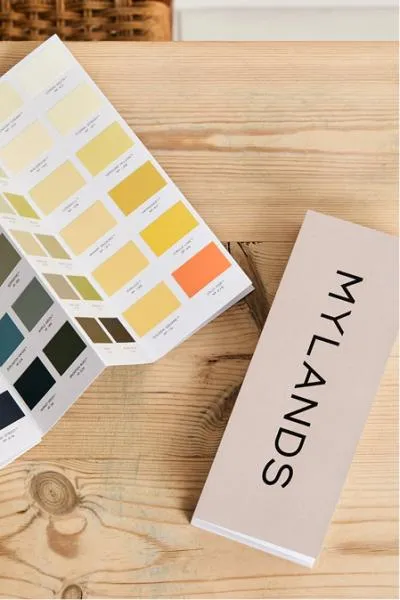
The Mylands colour card is free and painted with real paint, in Marble Matt Emulsion: what you see is what the wall will give, scale aside. Hold it in the room concerned, against the floor and the woodwork, and keep three shades per surface, no more. Our guide How to use your colour card explains the families and the whites that go with them.
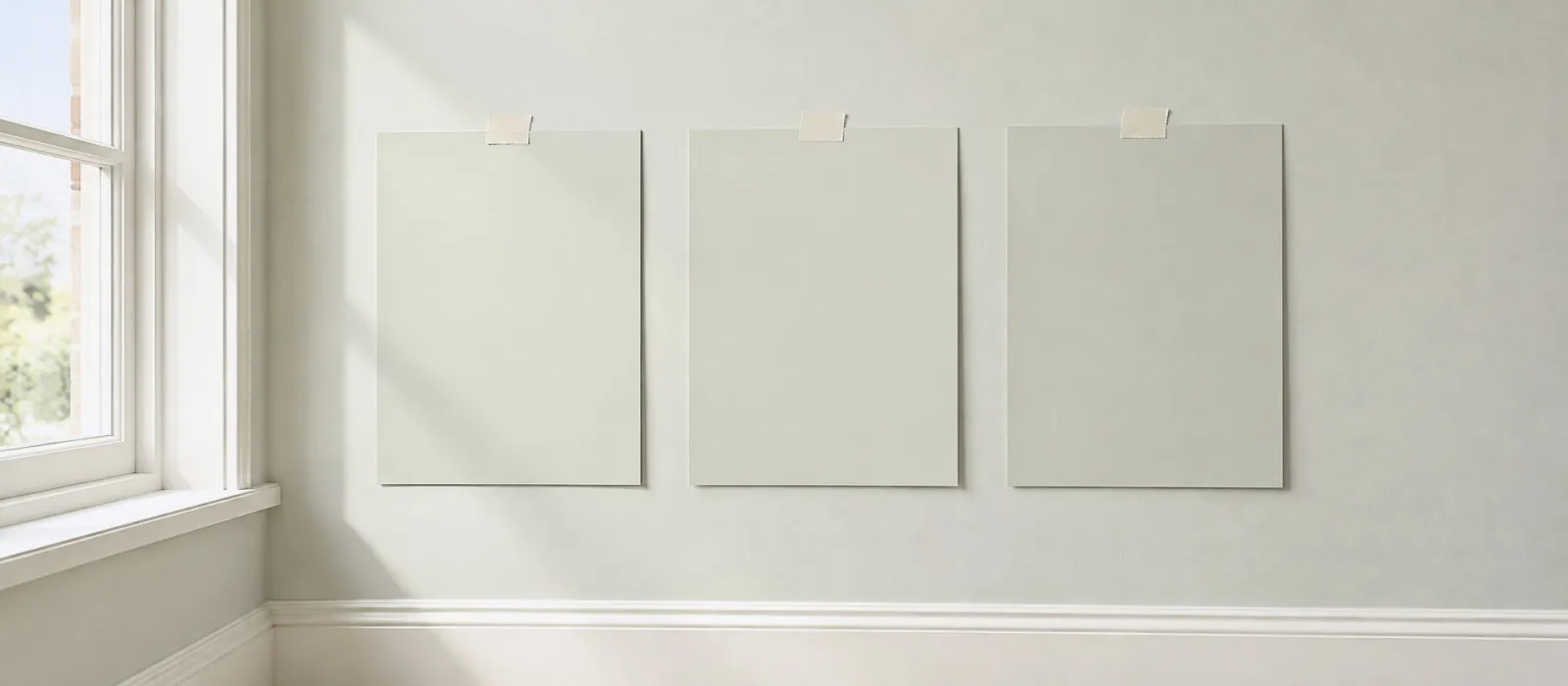
This is the step people skip and regret. A 100 ml sample pot covers three A3 boards in two coats; move them around the room and look at them morning, afternoon and evening under your lamps, for two days. A north window cools, a south window warms, four walls intensify. The full method is in How to test a paint colour at home, and the reasons in How light affects colour.
With the colour decided, the finish decides the texture and the resistance. Walls and ceilings: Marble Matt Emulsion, very matt, class 1 washable. Woodwork, doors, furniture and metal: a multi-surface finish — Eggshell for a soft sheen, Satin for hard-working surfaces, Gloss for a front door. The guide Find your finish settles the special cases, and every shade exists in each of them.
Measure the walls (perimeter × height, less the large openings), count two coats, and let our calculator convert that into litres and tins: Marble Matt Emulsion covers up to 15 m² per litre, the multi-surface finishes about 12. Order the matching primer, the woodwork and the walls together: every tin is tinted to order in London, and a single order guarantees a single batch. Dispatched the same day before 3.30 pm, the order arrives in two to three working days.
Allow a day to prepare the room, then paint from the top down: ceiling, walls, woodwork, radiators. Two coats on the walls fit into one day (recoatable after 3 to 4 hours); the woodwork needs another. Keep the furniture and the pictures for the day after next, and the big clean for two weeks later, once the film has hardened. The wall itself, stroke by stroke: How to paint a wall without marks.
Reference
For a 15 m² room — walls, ceiling and woodwork — these are the times we see with our customers. They add up: remove none of them; shorten the hesitating instead.
| Step | Time | What ends it |
|---|---|---|
| Inspiration | 1 week | A common thread found between your pictures |
| Colour card | 2 to 3 days (delivery included) | Three shades kept per surface |
| Sample pots | 4 to 5 days (delivery + 2 days of looking) | One shade and one finish per surface |
| Quantity & order | 1 day | One order: primer, walls, woodwork |
| Delivery | 2 to 3 working days | The tins in the room, at room temperature |
| Preparation | 1 day | Room emptied, protected, filled, sanded |
| Painting | 2 to 3 days | Ceiling and walls on day one, woodwork after |
Total: about three weeks, two of thinking and one of work. Delivery times are those for mainland France.
Three examples
To give step 2 a starting point, three pairings composed by our colour team — each with the woodwork white that goes with it. Order the sample pots of all three and you already have a project.
01
A very soft grey-green on the walls, a warm white on the woodwork and ceiling, a deep blue-grey on a single door to give the whole its backbone.
02
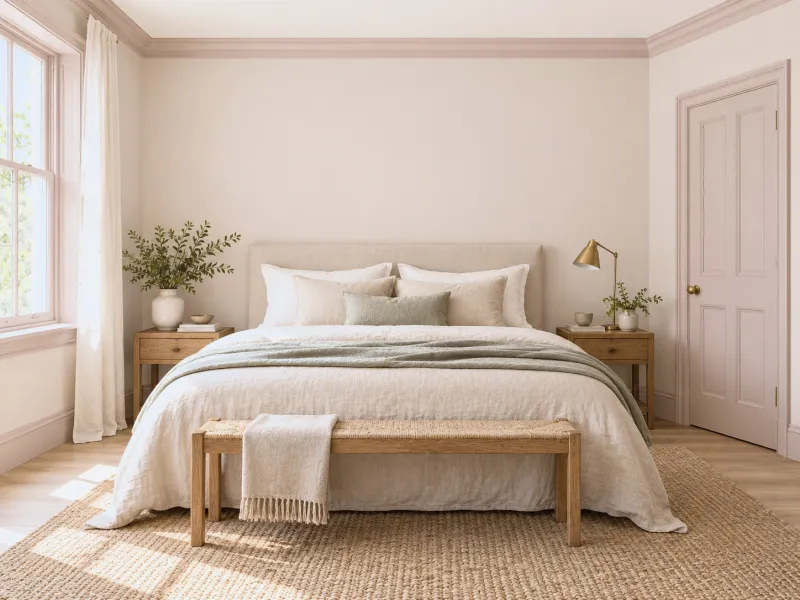
A powdery pink on the walls, the same pink one tone deeper on the woodwork, and a rosy white on the ceiling: gentle drenching, with no hard contrast.
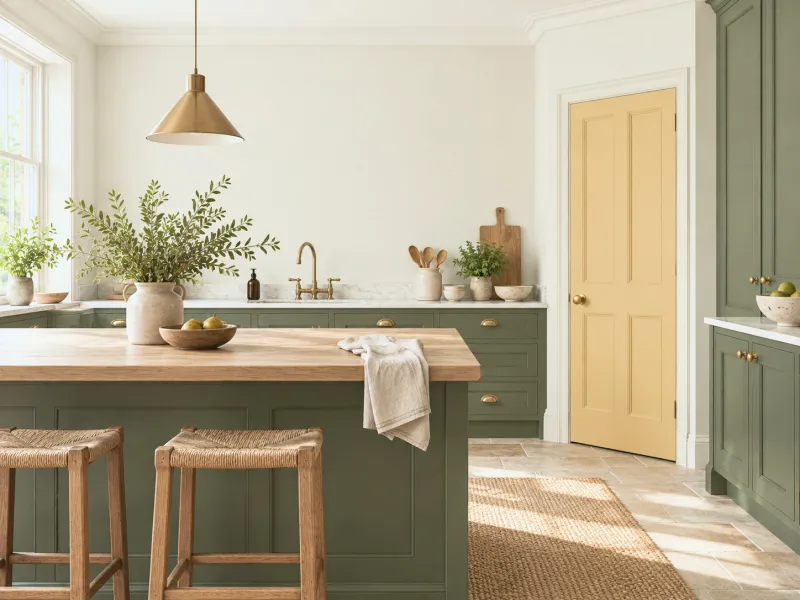
03
A stone white on the walls, a deep green on the cabinets in Eggshell, and a honey yellow on a larder door or a stool.
To avoid
Frequently asked questions
Not for one room. The method above is enough if you agree to test before you order. For a whole house, where the colours have to answer each other from room to room, an outside eye saves time: write to us with your photographs and the rooms' aspects, and our colour team will reply.
Start with the least visible room — a guest bedroom, a corridor — to get your hand in, then move on to the reception rooms. If you are living there, finish one room completely before opening another: living in the middle of three jobs wears more than painting does.
Always. The board of the chosen shade is what you then use to choose curtains, fabrics and pictures, and to check a touch-up years later. Write the name, the number and the finish on the back.
Yes, indoors, if the room is between 10 and 25 °C and ventilated: Mylands paints are water-based and low in VOCs, and the room is back in use the same evening. Avoid painting a cold wall beside a window open in freezing weather — the coat dries too fast on the surface and marks.
It is rare when the boards have been looked at for two days, but it happens in very enclosed rooms: four walls reflect each other and intensify the shade. Wait for the second coat and the return of the furniture before judging; if doubt persists, the same shade one step lighter in the same family almost always settles it.
See also
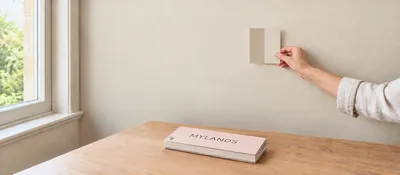 Painted with real paint, free, and far more useful than people think — once you know how to hold it.
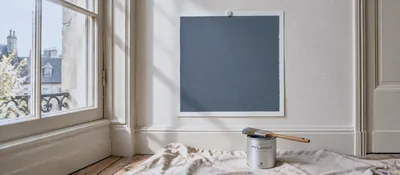 Sample pot, boards, two coats, three times of day: the Mylands 7-step method for testing a paint colour at hom...
 The day that decides the result: eight steps, the day before, so that tomorrow's two coats fit into one day.
 Six painting techniques that push the walls back — without knocking down a single one.
“Nobody picks the wrong colour; they skip the wrong step.”
Thanks for signing up to our newsletter!
Sign in to save items to your wishlist. Sign in to save your basket, so you can continue shopping later.
Don't have an account? Create one
Share this link and friends can buy items from your list. Anything bought disappears from it automatically. Anyone with this link can see your selection.
Moving in, redecorating, or dropping hints? A free account turns this selection into a gift list — add or remove colours whenever you like, and we'll email you when someone buys something from your shared list.
Free · Delivered to your door
Get a free colour card posted to you, showing our complete Colours of London range, with swatches made from the real paint for a true representation of our award-winning colours.