Choosing by the oak's tone
Light, natural or oiled oak
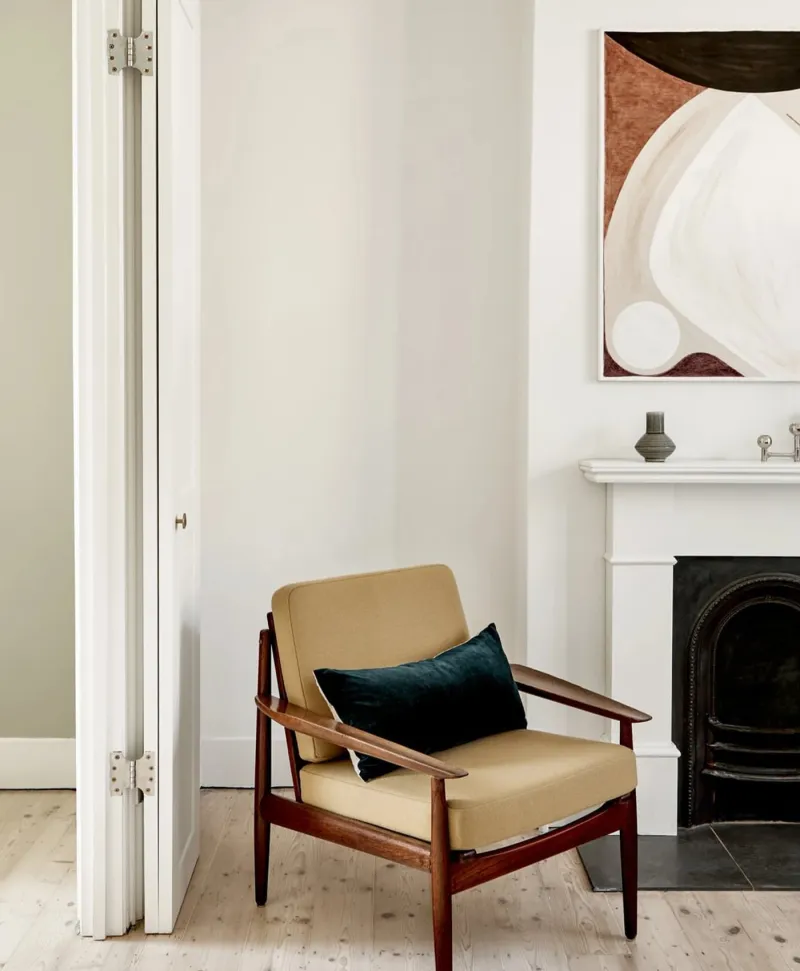
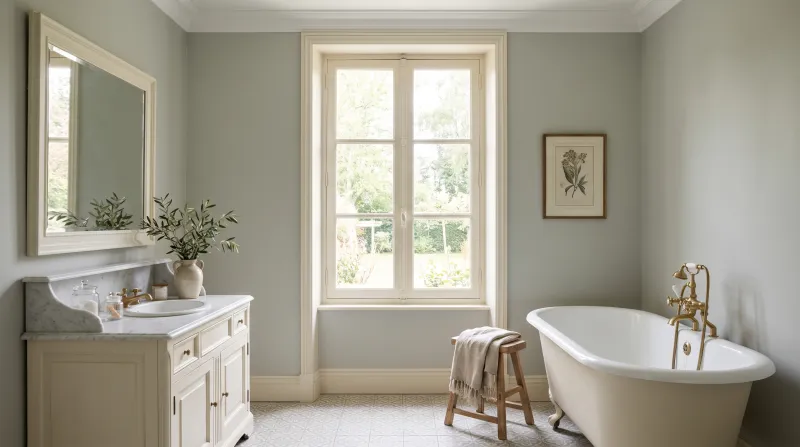
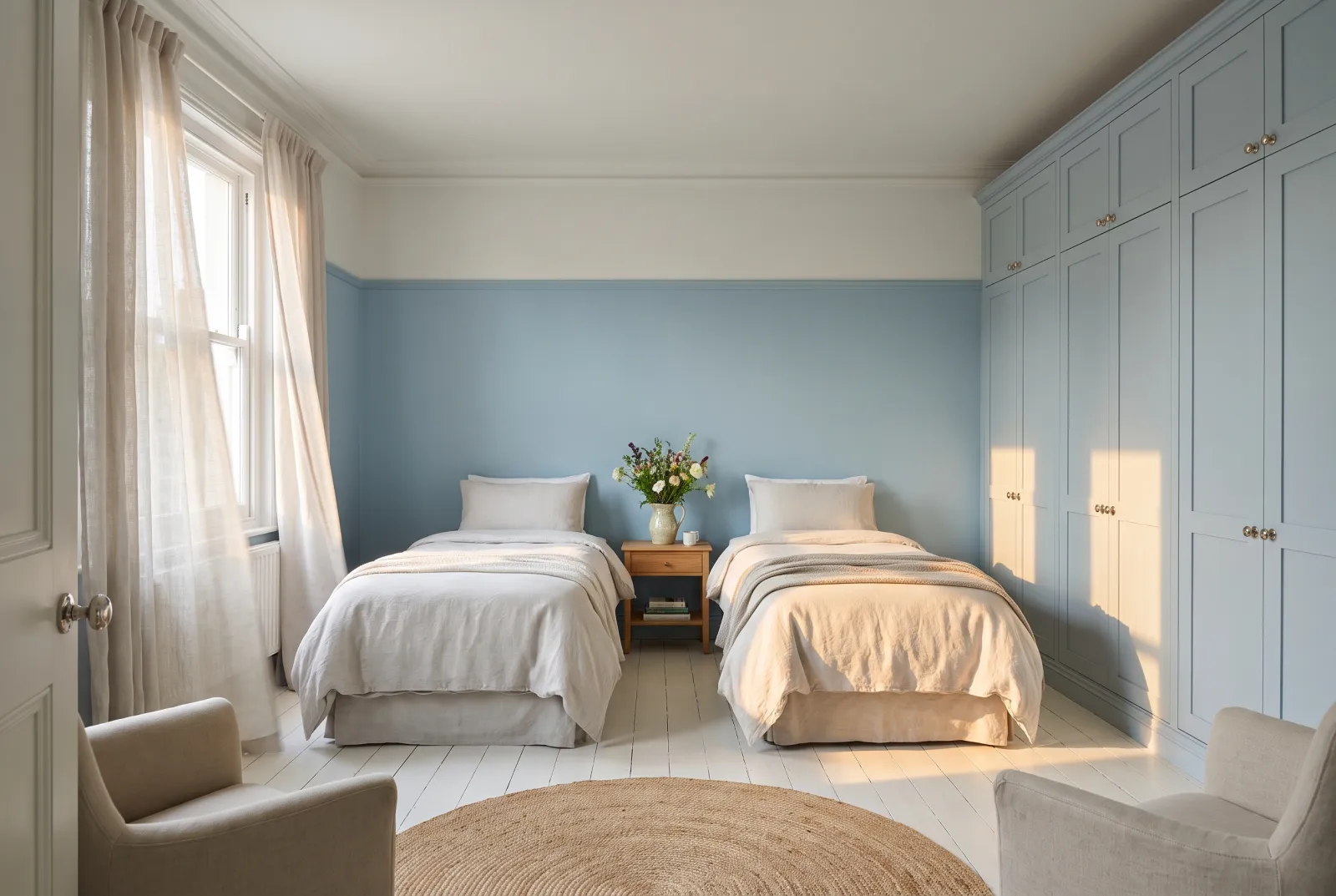
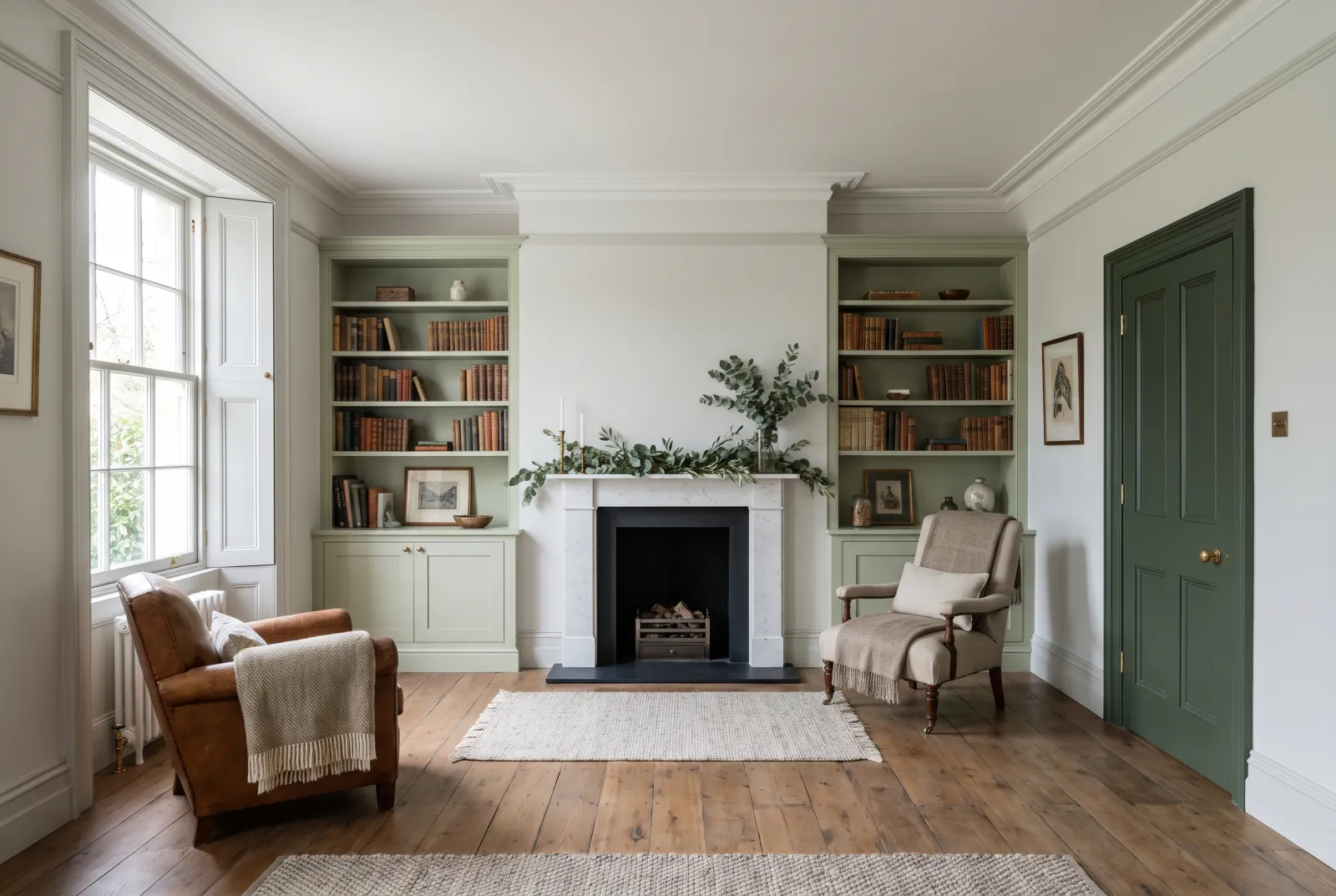
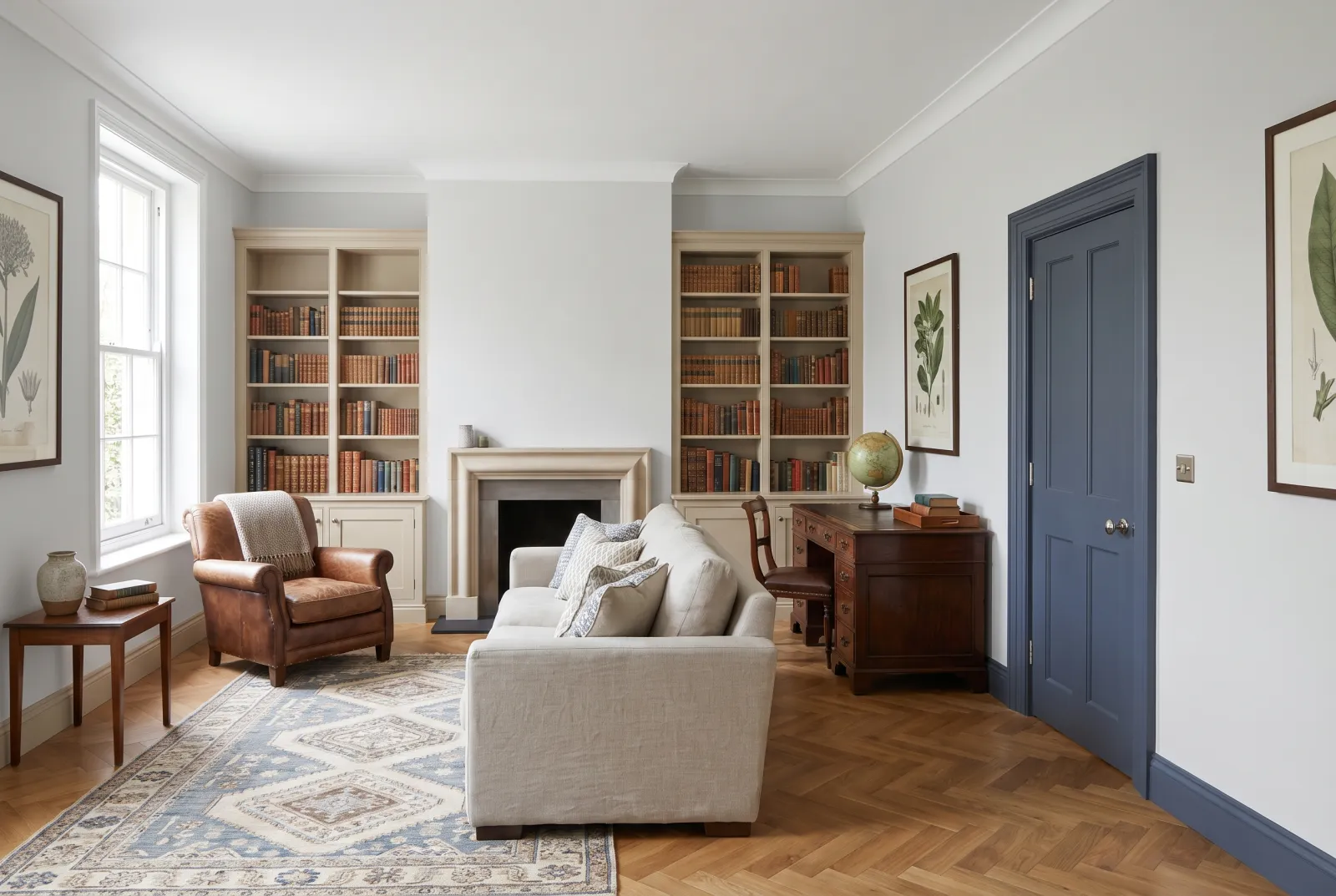
The most common, and the yellowest. Two strategies: cool it with grey or green undertones (Maugham White No.2, Syon Park No.13, St Clement No.11, Islington No.23, Beauvais No.195) or complement it with blue (Bedford Square No.229, Bond Street No.219). Avoid: yellow-toned whites and beiges, pale yellows, cold bluish greys that turn the wood orange — warm grey or cool grey explains the difference.
Bleached, white-oiled, greyed oak
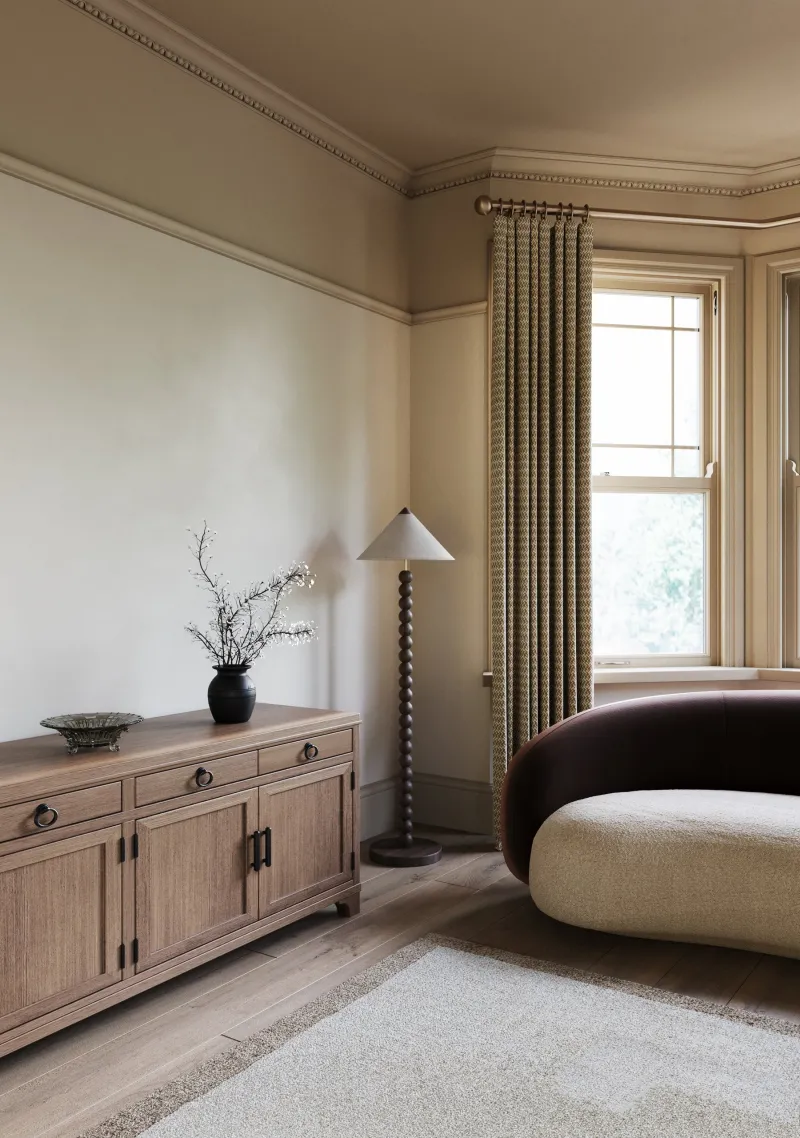
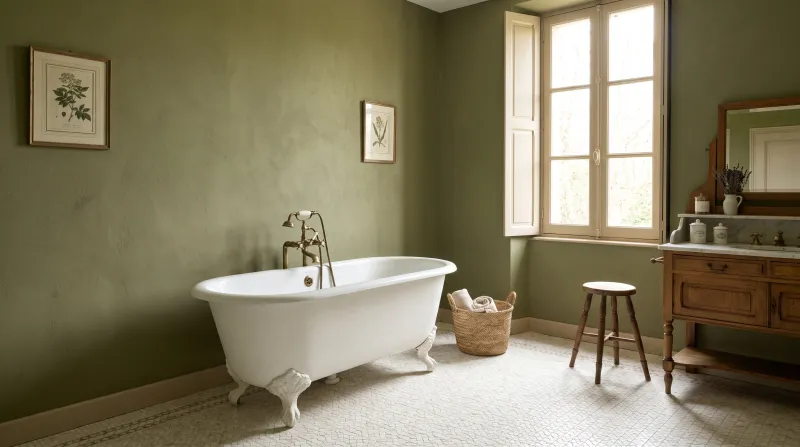
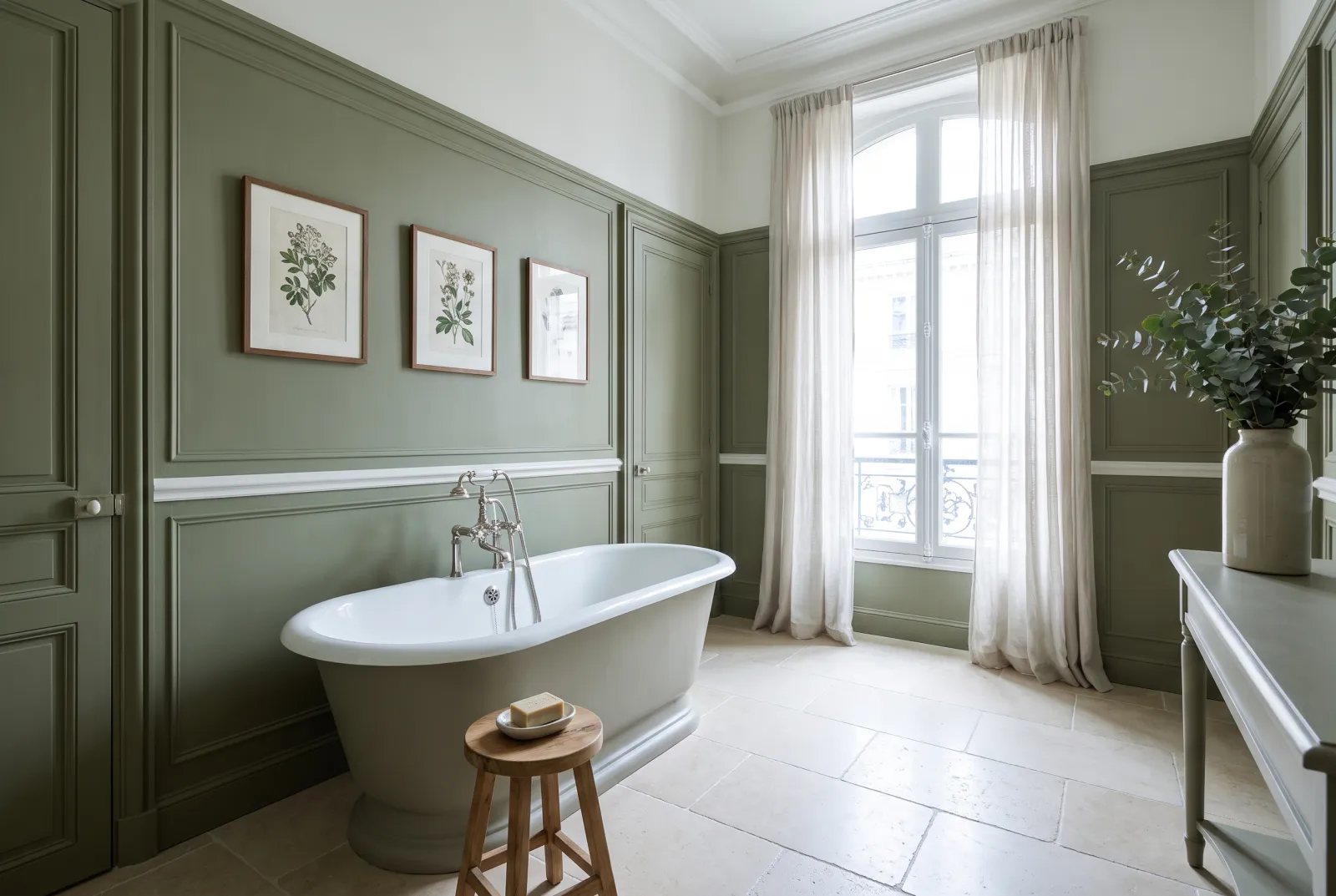
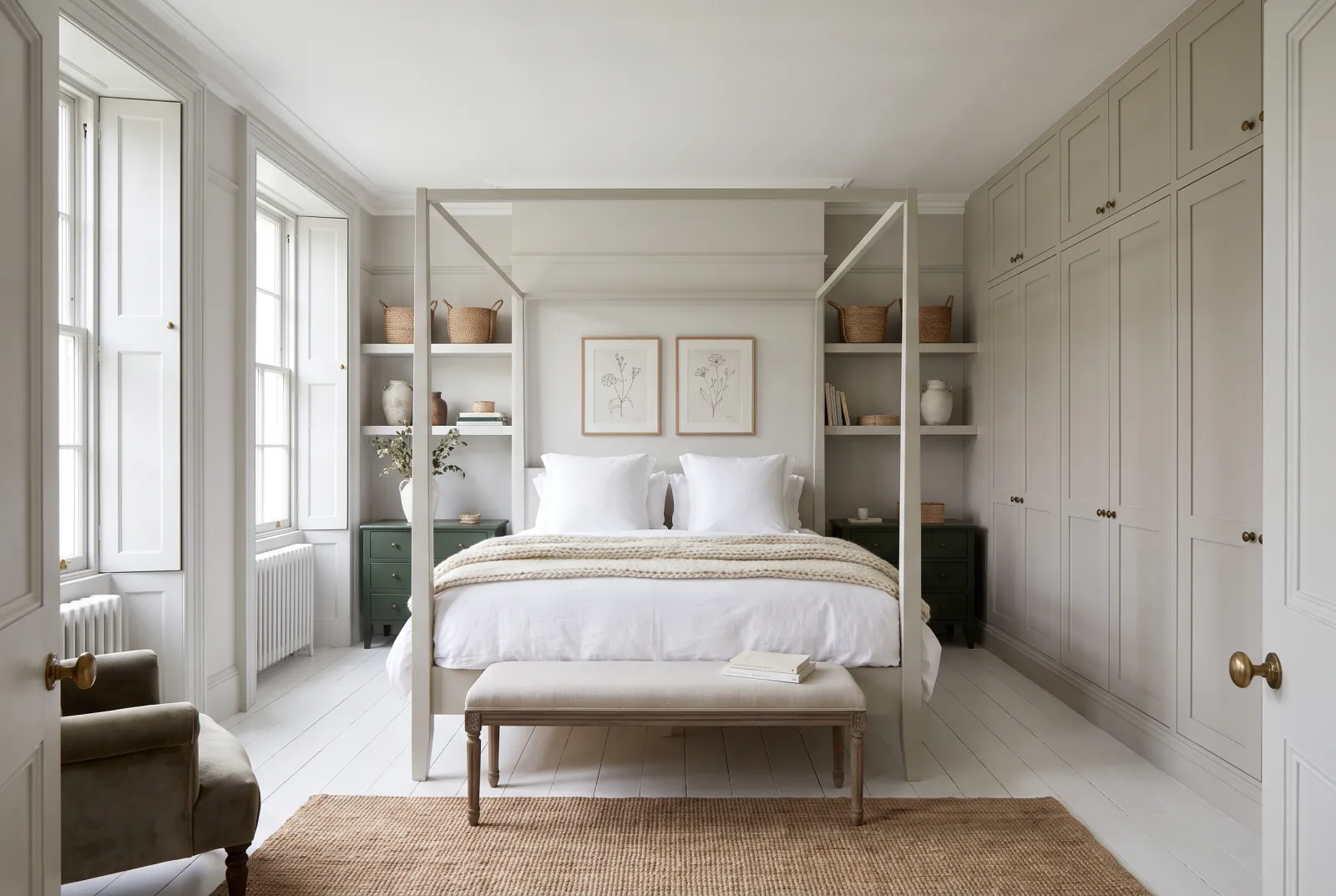
A wood already calmed, almost beige. Warm greys (Islington No.23, Empire Grey No.171) and sages (Beauvais No.195, all our sages) extend its softness; a grey-toned white (Maugham White No.2) makes the Scandinavian room. Sky blue loses its point here, with no orange to complement.
Dark, smoked, stained or old herringbone oak
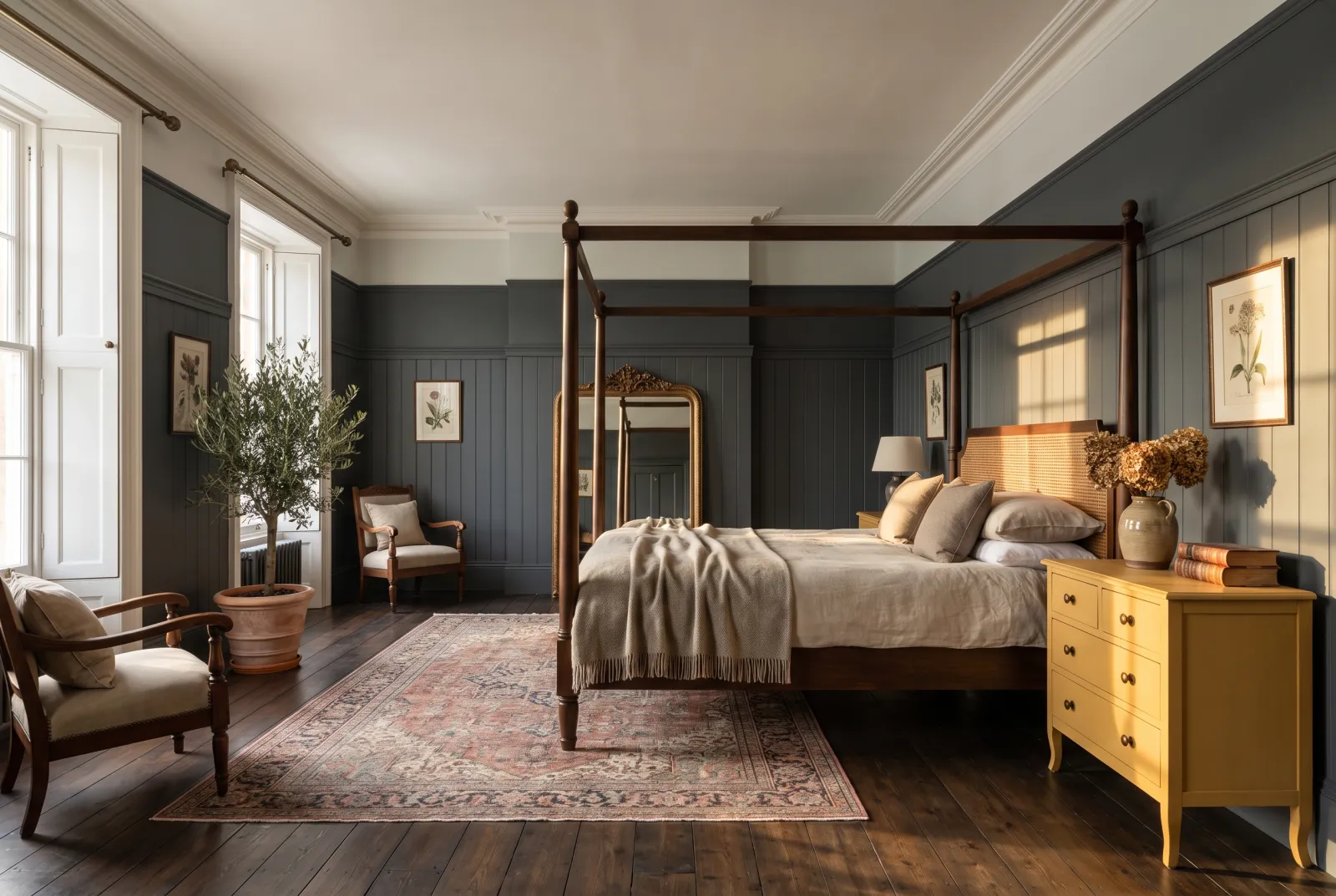
A floor that absorbs light and leans red-brown. Accompany it with warm neutrals (Cadogan Stone No.59, Empire Grey No.171) that avoid a hard contrast, or embrace the depth with Sorrel Green No.207 and Bond Street No.219. Pure whites and cold greys make it look dirty. Which colours go with brown? goes further on dark woods.
The skirting white
The skirting is the line where wall meets wood: over light oak, a grey-toned white (Maugham White No.2, Sleet No.91); over dark oak, a warm white (Holland Park No.5). Our guide to whites for woodwork and skirtings covers each case, and our article on the undertones of white explains why two whites are not alike.
Which finish with a parquet?
Marble Matt Emulsion on the walls: its mineral matt does not throw back the floor's light and lets the wood be the room's only shining material. Multi-Surface Eggshell on the skirtings, which take the knocks of brooms and vacuum cleaners. And if the parquet itself needs a change of tone, our oak stains and wood oils, in the wood care range, are made for that. Before deciding, test the shade on a board stood against the skirting: that is where the oak throws its colour.